Meaning
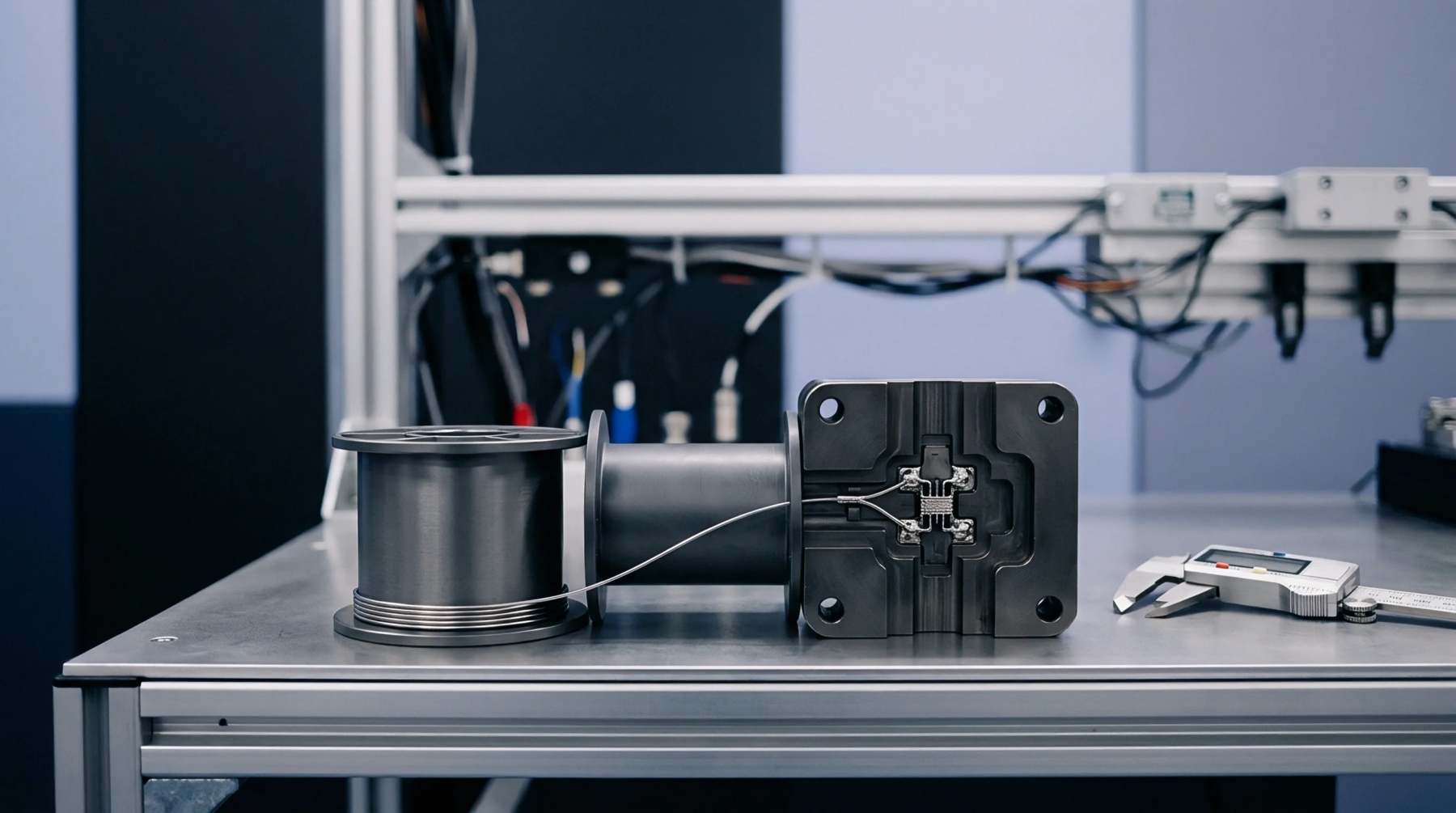
Retrieval and redeployment of injection molds and automated assembly fixtures from a failed or underperforming manufacturing partner ensures production continuity. During vendor transitions, tooling asset recovery requires audit steps to verify that the physical molds and test boards are functional. This process prevents the loss of valuable custom machinery when changing production suppliers.
Technical Audit
Engineering teams inspect the mold surface for wear or damage before the tool is crated for transport. They record dry-cycle times and run a final batch of test samples to establish a quality baseline. These records prove that the tool was in working order when it left the initial factory.
Logistical Execution
Secure transport requires specialized heavy-lift packing and customs documentation for international shipments. During tooling asset recovery, the logistics team must coordinate the transfer to avoid exposing the polished metal cavities to moisture. Rust prevention spray is applied to all steel surfaces prior to sealing the shipping crates.
This step is necessary to prevent surface corrosion during ocean transit, which would otherwise require expensive and time-consuming repolishing at the destination.
Operational Continuity
Reinstalling the retrieved tools at the new factory requires rapid calibration and pilot run testing. The device brand minimizes market disruption by building a safety stock of wireless modules before initiating the move. Having this buffer allows the line transition to occur without affecting retail shipments.