Meaning
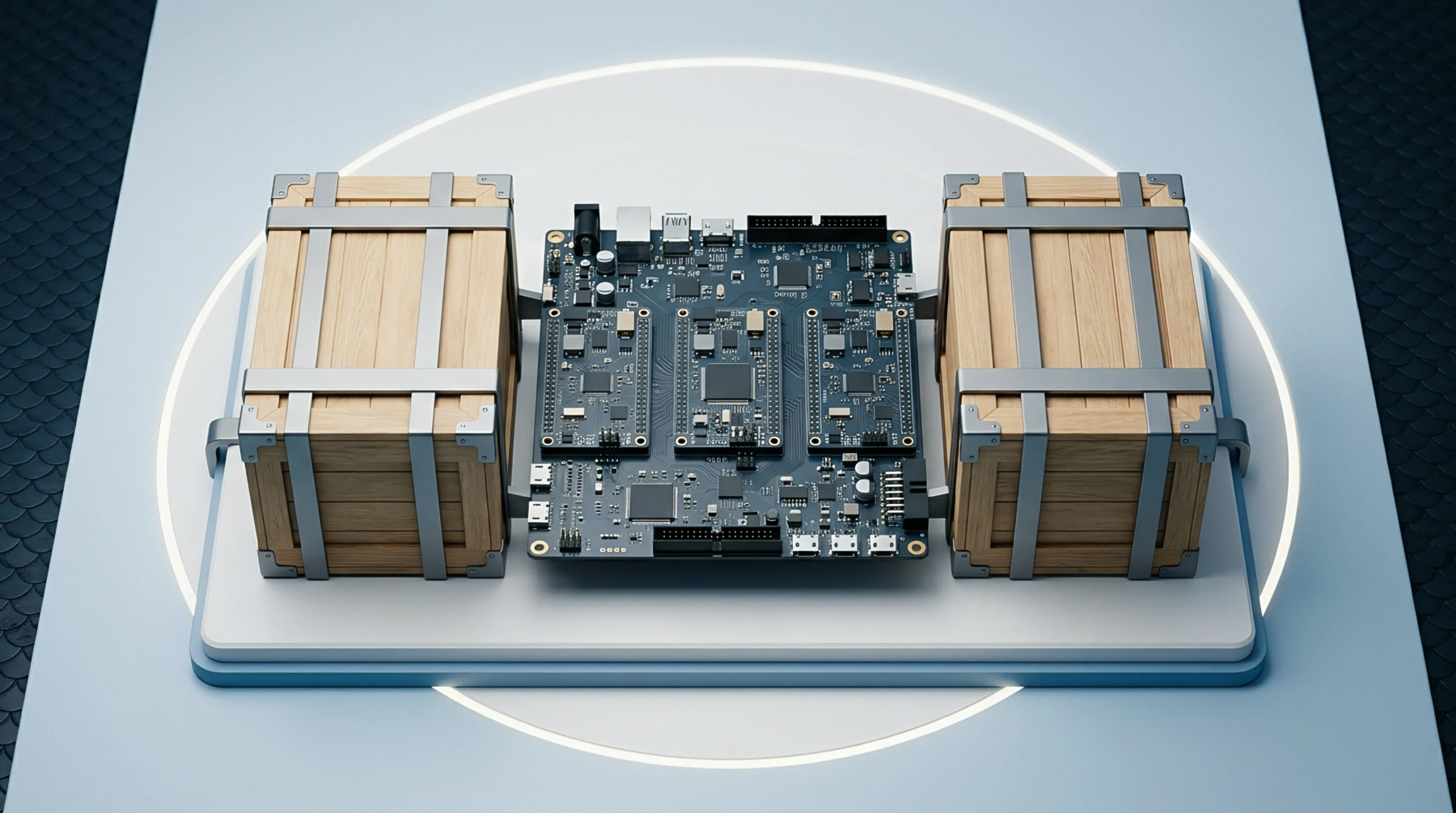
A financial transaction between an OEM and a contract manufacturer transfers ownership of dedicated production assets from the supplier ledger to the buyer balance sheet. Tooling buyouts extinguish future amortized piece-price extraction by settling the capital expenditure upfront during product transition phases. Production equipment often depreciates against specific volume projections until a contract reaches its threshold for full cost recovery.
Settling the balance sheet obligation early grants the OEM legal title over the physical molds and stamping dies located on the supplier factory floor.
Transfer Protocol
Property transfer agreements require a physical asset audit before finance teams disburse final capital allocations. Engineering auditors cross-reference serial numbers stamped on injection molds against the initial purchase order specifications to verify asset integrity. Final sign-off depends on a successful pre-shipment calibration run yielding parts within tolerance limits on the production line.
Legal counsel drafts a bill of sale releasing the supplier from storage liabilities once the funds clear the escrow account.
Valuation Mechanics
Depreciation schedules dictate the residual book value of production assets at the exact moment of early settlement. Buyers calculate the remaining amortization by subtracting accumulated depreciation from the initial acquisition cost documented in the master supply agreement. Remaining cavity wear requires independent appraisal to adjust the buyout price downward before final payment authorization occurs.
Discounting future piece-part deductions against the current cash outlay determines the financial threshold for a beneficial capital transfer.
Liability Shift
Asset ownership changes the allocation of maintenance costs and storage overhead for idle manufacturing machinery. Suppliers relinquish insurance responsibilities for the hardware once the physical removal notice is signed by plant managers. Subsequent transport logistics and transit insurance fall under the procurement budget of the acquiring organization.
Equipment relocation introduces downtime risks that manufacturing operations must mitigate through parallel sourcing arrangements.