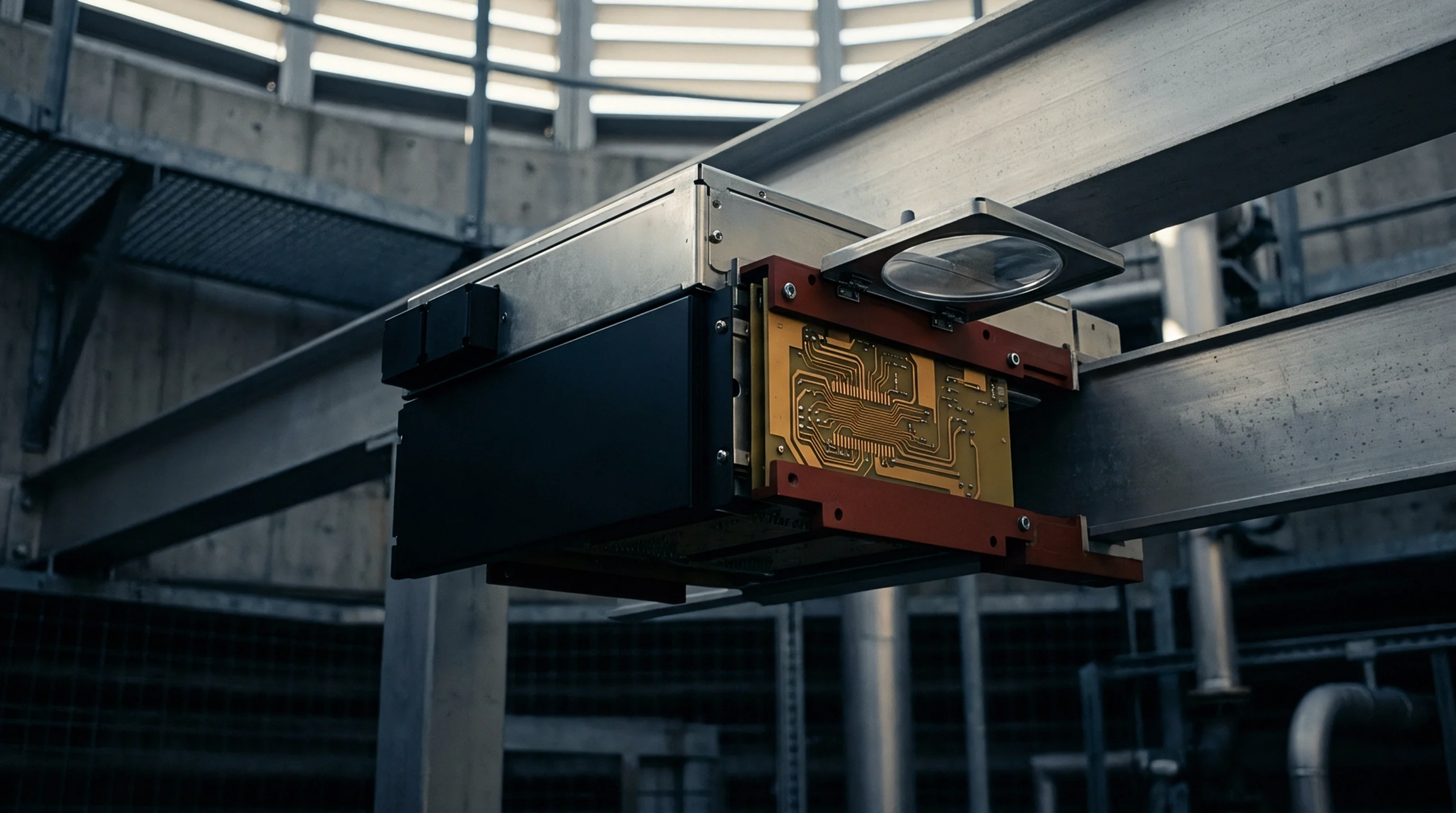
Statistical Process Control Limits for High Speed Component Placement Fixtures
Statistical process control limits for placement fixtures isolate pocket wear and thermal expansion from machine gantry errors to prevent component pad misalignments.
Unintended linear displacement along Cartesian axes away from nominal coordinate origins characterizes the gradual spatial shift of automated motion platforms and placement tooling over extended operating periods. Within printed circuit board assembly, precision fluid dispensing and automated die attachment, translational drift measures the cumulative x-axis and y-axis deviation that alters component landing positions across sustained production shifts. The parameter governs positional repeatability, optical coordinate registration and machine tool accuracy over continuous operational cycles.
It stops applying to rotational yaw or tilt errors that do not displace the component centroid along planar coordinates.
Operating factory floors experience ambient temperature variations alongside internal heat generation within automated machinery. As linear drive motors, ball screws, linear encoders and pick-and-place gantry castings warm during normal operation, thermal expansion alters the absolute physical distances between datum cameras and placement nozzles. This mechanical expansion creates continuous translational drift, steadily moving component deposition sites away from target solder paste pads.
High-speed placement heads moving over large panel arrays accumulate fractional micron errors that eventually cause fine-pitch components to misalign. Automated compensation routines periodically cycle the gantry to stationary glass calibration plates equipped with optical fiducials to measure absolute displacement and apply linear offset corrections to motion control firmware.
Mechanical backlash and drive belt relaxation contribute directly to physical positioning shifts over continuous production cycles. Lead screw wear, linear bearing play and encoder scale contamination degrade the machine’s ability to return precisely to identical coordinate points. In cellular module assembly, tiny adhesive dispensing needles must deposit micro-dots within tight keep-out zones around transceiver integrated circuits.
Progressive translational drift pushes the dispensing path toward solder lands, creating potential short circuits or uneven underfill filleting. Vision system cameras mounted to high-speed gantries can also suffer structural shift if mounting brackets experience continuous vibration, introducing an offset between visual target recognition and real tool tip coordinates.
Equipment maintenance procedures incorporate coordinate measuring tests and machine capability verifications to detect linear drift before parts exceed manufacturing tolerances. The line setup verification document specifies periodic fiducial recalibration cycles run through automated machine vision software to reset axis origin offsets. Production acceptance sign-off requires dynamic positional testing using glass master panels across complete eight-hour production shifts, logging spatial deviation vectors against absolute reference datums.
Handover documentation contains machine drift curves mapped against internal temperature sensors to validate active thermal compensation algorithms. Continuous logging of translational shifts guarantees that placement equipment preserves high-density mounting accuracy despite structural temperature fluctuations and prolonged mechanical run times.
Statistical process control limits for placement fixtures isolate pocket wear and thermal expansion from machine gantry errors to prevent component pad misalignments.
Expertise is a utility, not a secret. sentiention™ publishes its working knowledge as open reference: intelligence layer covering the materials it sources, the markets it enters, and the reference that serves both.