Meaning
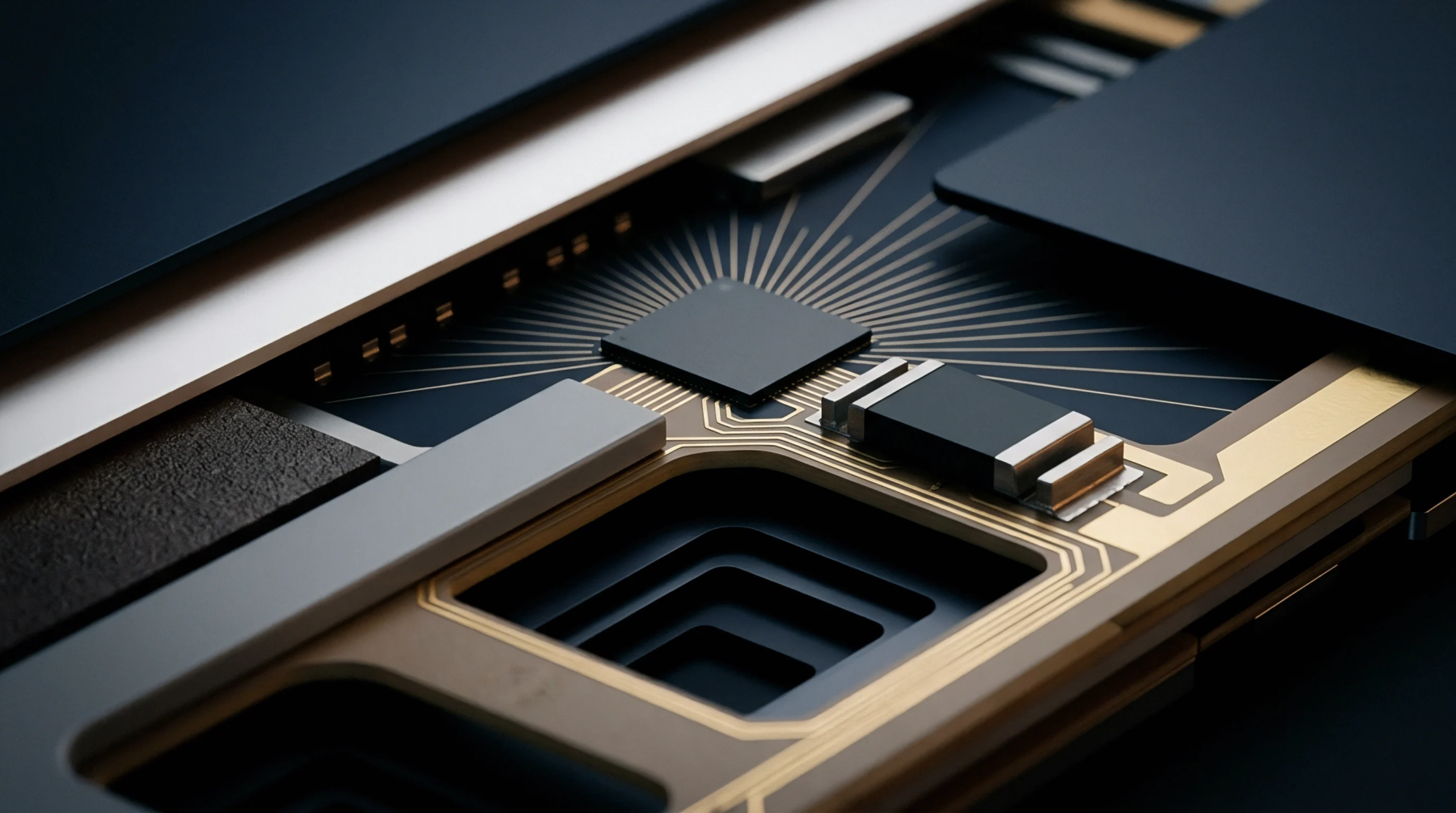
Circuit boards that lack a protective conformal coating or potting compound remain exposed to the surrounding environment and mechanical contact. An unencapsulated pcb assembly consists of the bare substrate and the soldered components without any additional resin or plastic barrier. This state is common during intermediate testing phases or in products housed within a secondary sealed enclosure.
It allows for easier repair and rework since the components are not buried under a hard or rubbery material.
Thermal Access
Airflow directly contacts the components and the board surface to maximize convective cooling. In an unencapsulated pcb assembly, heat sinks can be mounted directly to the chips without interfering with a coating. This setup is preferred for high-power devices where thermal dissipation is the primary design constraint.
Exposure Risk
Moisture and dust can cause short circuits or corrosion over time if the device is not protected by an external case. The unencapsulated pcb assembly is vulnerable to dendritic growth between closely spaced pads in humid conditions. Mechanical vibration may also cause fatigue in solder joints that lack the structural support of potting.
Inspection Ease
Visual audits and automated optical inspection are more effective when no opaque or translucent coating obscures the board.