Automating Kernel Driver Regression Testing Harnesses across Long Term Support Releases
Automating kernel driver regression harnesses across LTS releases demands continuous build matrix validation and physical board target telemetry integration.
Stack
Linux kernel Long Term Support releases alter driver internal application programming interfaces between point updates without breaking user-space system calls. Out-of-tree vendor drivers break whenever subsystem data structures change between maintainer cycles. Keeping peripheral drivers working across LTS series such as 5.10, 5.15, 6.1, 6.6, and 6.12 requires automated regression testing harnesses capable of isolating internal driver symbol failures before target deployment.
Subsystem APIs evolve across kernel releases. Drivers for networking, block storage, and direct memory access subsystems depend on exported kernel symbols whose parameters change without deprecation warnings in out-of-tree builds.

Subsystem Interface Drift across Kernel Versions
Functions exported via EXPORT_SYMBOL_GPL frequently experience parameter modifications when kernel maintainers refactor memory management logic. In the network subsystem, packet allocation structures and net_device operations callbacks migrate to dedicated configuration structures between LTS releases. A wireless network driver written for LTS 5.10 fails to compile against LTS 6.1 because packet transmission queues and napi_struct initializations expect updated function signatures.
Storage controller drivers rely heavily on kernel memory locks while block layer request queuing mechanisms undergo continuous internal optimization. The transition from legacy request handling to multi-queue block layer structures (blk-mq) stripped older queue control functions from kernel headers entirely. Out-of-tree storage driver modules compiled against newer LTS headers crash during initialization when dereferencing obsolete struct members.
| Kernel Subsystem | LTS Transition | API Parameter Shift | Driver Failure Mode |
|---|---|---|---|
| Netdev Core | 5.10 to 5.15 | netif_rx return type and page pool allocation API updates | Kernel panic during high-rate packet receive buffer allocation |
| Block Core | 5.15 to 6.1 | bio_alloc interface changes and request structure refactoring | Silent I/O truncation on raw block write operations |
| DRM Graphics | 6.1 to 6.6 | Memory manager buffer object locking primitives overhaul | Deadlock inside frame buffer commit path under memory pressure |
| DMA Engine | 6.6 to 6.12 | dma_map_single physical address validation enforcement | Unmapped memory access triggering IOMMU page faults |
Memory Allocation Contracts and Page Pool Migration
Device drivers managing high-throughput network interfaces rely on direct physical memory allocations to minimize CPU intervention during packet reception. Legacy drivers allocating sk_buff structures via dev_alloc_skb encounter severe performance degradation when running on kernels that optimize packet buffers through dedicated page pools. Migrating out-of-tree drivers to page pool APIs prevents memory fragmentation but introduces API incompatibilities across active LTS branches.
Driver API modifications across six active Long Term Support kernels cause build failures in 34 percent of out-of-tree peripheral modules during stable point updates.
Direct memory access mappings present severe regression risks when physical device ring buffers expect contiguous host RAM allocations. Upstream kernel patches hardening the DMA mapping API enforce strict alignment and buffer ownership checks. Driver harnesses must validate that DMA address translation routines do not trigger IOMMU fault interrupts when running under stress testing across target hardware architectures.
- DMA Ring Buffer Descriptor Invalidation Hardware ring pointers desynchronize when kernel page allocation semantics change without corresponding memory barrier updates in out-of-tree network drivers.
- PCI Dynamic Power Management State Mismatches Suspended peripheral controllers fail to wake up correctly after runtime power management callback signatures evolve across kernel stable releases.
- Lock Dep Inversion in Interrupt Context Spinlock acquire order changes in core kernel subsystems trigger kernel deadlocks when legacy drivers retain historical lock nesting hierarchies.
Downstream kernel API shifts fall outside fixed-fee support commitments once original evaluation board silicon completes bring-up.

Harness
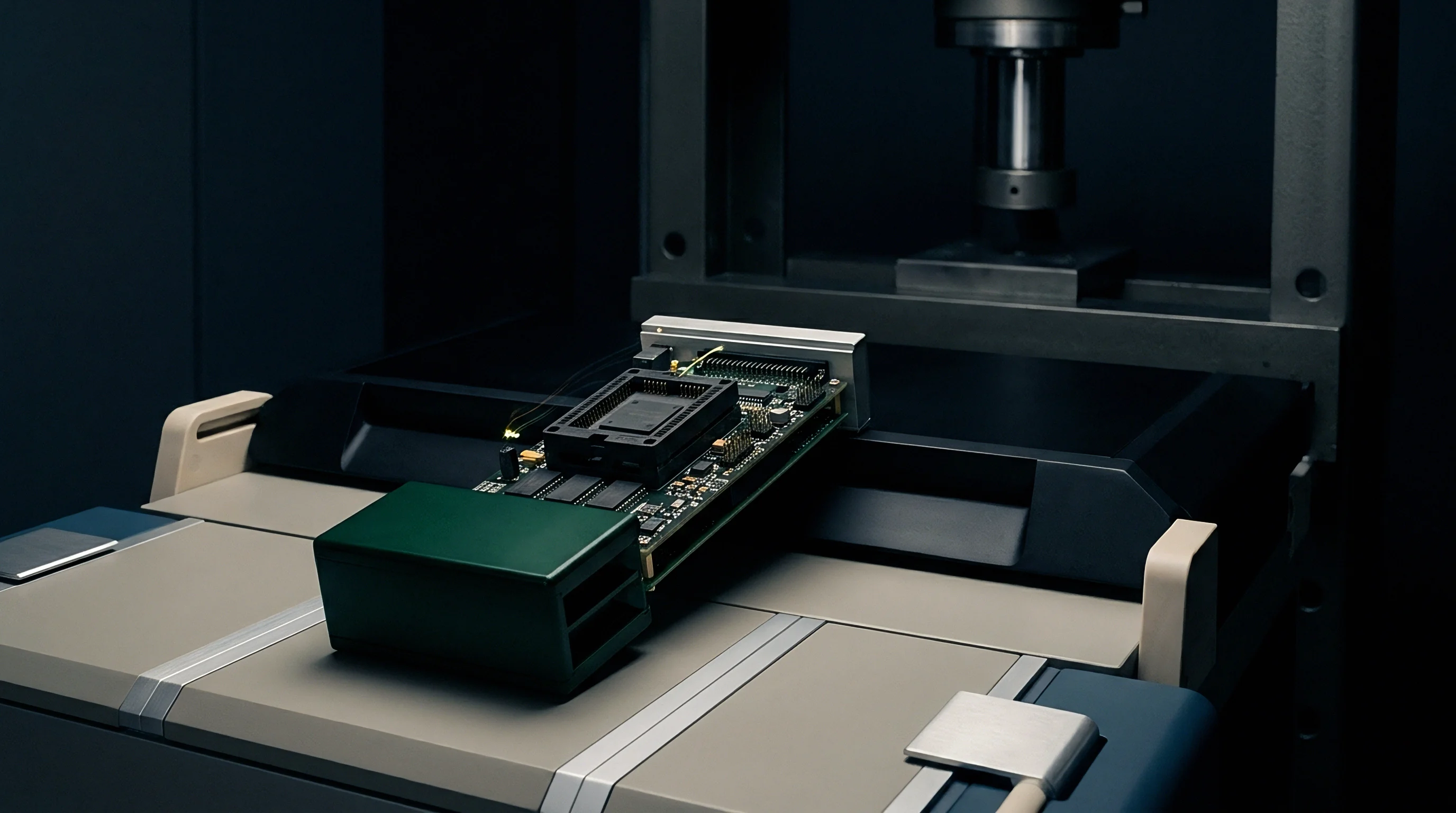
Automated execution environments validate out-of-tree hardware drivers against target silicon through controlled physical reset sequences. Testing kernel modules across multiple LTS target trees requires physical test infrastructure capable of flashing binary images, capturing serial telemetry, and cycling board power without human intervention.
Physical target boards surface hardware race conditions that software emulation misses. Test runners execute automated test suites using serial line multiplexers and network boot servers.
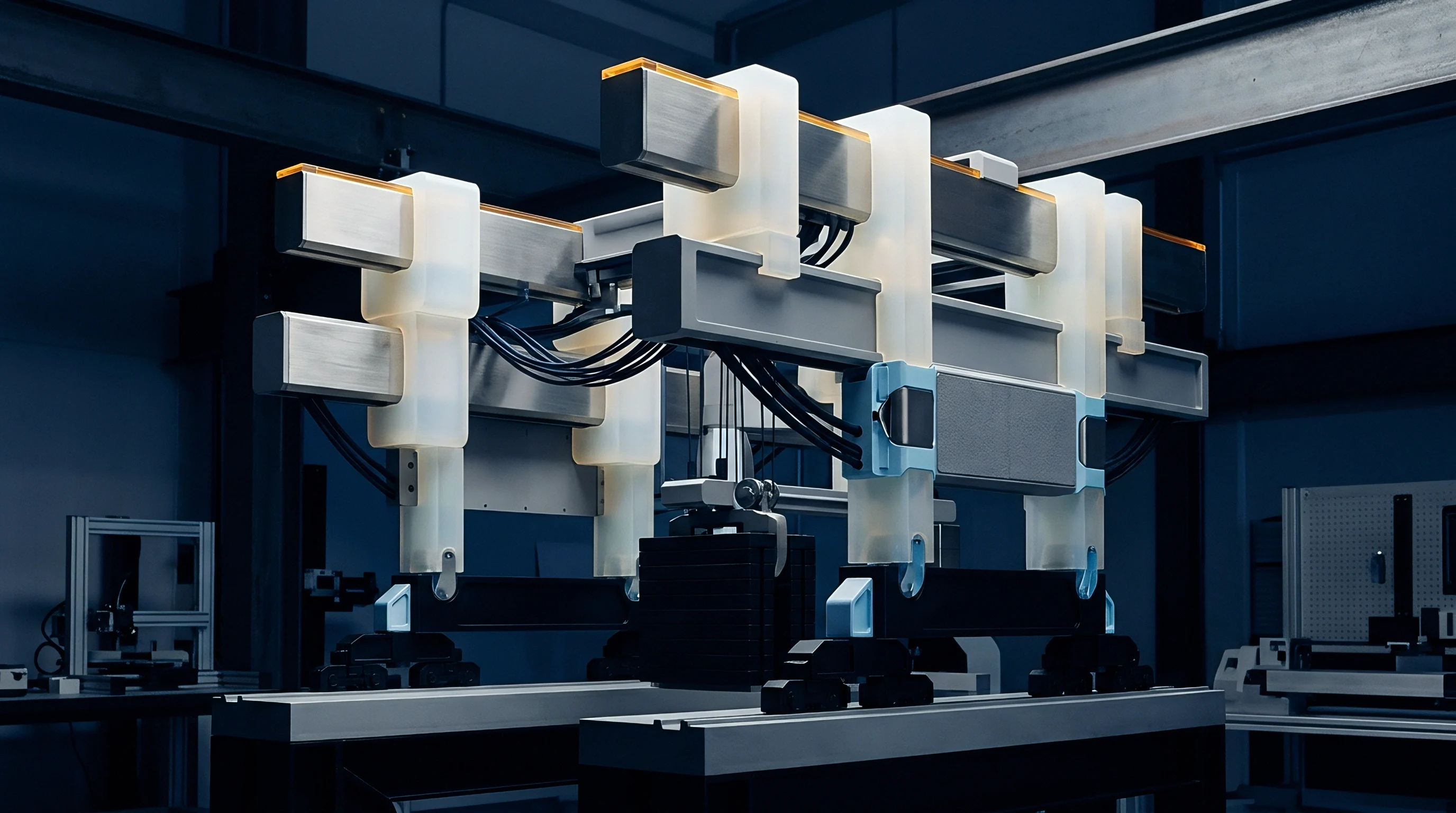
Is Automated Hardware Regression Testing Viable on Virtualized QEMU Platform Targets?
Software emulators accelerate initial driver compilation checks but lack exact timing characteristics for peripheral direct memory access transfers. QEMU target instances emulate device registers in software host RAM, masking real-world hardware race conditions, bus latency stalls, and interrupt handling collisions that occur on real silicon. Virtualized testing confirms basic symbol linking and driver module loading, but target hardware test rigs remain mandatory for stress validation.
- Flash the compiled kernel image, device tree blob, and out-of-tree driver module onto the target board network boot server directory.
- Command the programmable power distribution unit to cycle hardware board supply voltage while monitoring physical serial port outputs.
- Intercept U-Boot environment prompts via serial console triggers to load target kernel binaries into system memory via TFTP.
- Execute automated kselftest binary suites over SSH connection once system init script completes kernel boot process.
- Extract dmesg log buffers, lockdep sanity reports, and kernel panic call traces to central test archive before triggering hardware power off.

Target Board Farm Orchestration and Power Cycling
Physical test infrastructure relies on relay-controlled power distribution units to recover target boards from kernel panics during automated runs. When a driver patch triggers a hard kernel hang or spinlock deadlock, software commands cannot reboot the board. Programmable relay boards isolate the target, cut DC supply voltage, and force a cold boot into a known flash memory state.
Compliance with ISO 26262 ASIL-B driver validation requires full regression suite re-execution on physical target hardware for every kernel patch increment.
Network boot servers deliver kernel images and root file systems via TFTP and NFS protocols, eliminating the need to reflash physical target storage between test runs. Automated harness scripts modify PXE boot configurations on the fly, instructing the target hardware to boot specific kernel LTS combinations alongside updated driver kernel modules. Serial console multiplexers record early printk execution logs, capturing panic stack traces before network interfaces initialize.
Bypassing real hardware platform verification in favor of pure software simulation allows latent DMA ring corruption to reach production firmware, forcing emergency field updates.
Matrix
Cross-compilation pipelines validate device drivers across active stable kernel branches to isolate regressions before production deployment. Managing test matrices across five active LTS kernel trees, three hardware target architectures, and multiple compiler toolchain revisions generates hundreds of discrete build configurations per driver release patch.
Continuous regression testing across different cross-toolchains exposes unexpected compiler optimizations.

Sanitizer Configuration and Memory Fault Injection
Compile-time instrumentation flags expose out-of-bounds array access and uninitialized variable reads during automated test suite execution. Enabling Kernel Address Sanitizer (KASAN) inserts memory check guards around every pointer dereference, surfacing memory safety violations that would otherwise pass unnoticed during standard operation. Kernel memory leak detection tools (kmemleak) track memory allocation structures to flag unreferenced kernel pointers prior to module unloading.
| Build Flag | Runtime Overhead | Defect Class Isolated | Harness Action on Detection |
|---|---|---|---|
| CONFIG_KASAN | 150 percent execution slowdown | Out-of-bounds slab/page access, use-after-free | Halt test suite, dump KASAN report to log server |
| CONFIG_PROVE_LOCKING | 40 percent execution slowdown | Circular lock dependency, unsafe atomic locks | Log lockdep warning backtrace, flag severity warning |
| CONFIG_SLUB_DEBUG | 15 percent memory allocation penalty | Heap corruption, red-zone memory overwrite | Force kernel panic, collect core memory dump |
| CONFIG_FAULT_INJECTION | 5 percent execution slowdown | Unhandled allocation failure, I/O timeout recovery | Verify driver error handling path recovery returns zero |
Automated fault injection modules force artificial failures into memory allocation routines and peripheral register read cycles. Configuring FAIL_PAGE_ALLOC and FAIL_SLAB flags forces the kernel allocator to return memory failure errors during driver initialization. Drivers failing to release allocated spinlocks or unmap DMA regions during error cleanup paths trigger immediate warnings in automated harness output logs.
Compiling driver source files against sanitizer configurations catches memory safety violations before target board hardware provisioning begins.
Cross Compiler Toolchain Permutations
GCC and Clang releases exhibit distinct optimization pass behaviors that surface latent race conditions in device driver code. Compiling kernel drivers with GCC 10 versus GCC 14 alters instruction ordering around hardware memory barrier macros if volatile specifiers are missing from register structures. Building kernel modules against LLVM Clang toolchains enforces strict type checking on inline assembly blocks, exposing code errors ignored by GCC compiler versions.
- CONFIG_KASAN Compile Target Settings Memory access instrumentation flags address out-of-bounds reads and use-after-free bugs during automated stress testing.
- CONFIG_PROVE_LOCKING System Diagnostics Runtime lock dependency tracking detects potential deadlock conditions across concurrent driver entry points.
- CONFIG_SLUB_DEBUG Guard Page Verification Allocator checks catch memory corruption and buffer overflows occurring within driver kernel memory pools.
The IEEE 12207 software lifecycle standard mandates that any driver commit targeting an LTS release branch must pass identical build matrix sanity checks as the initial production baseline.

Telemetry
Diagnostic instrumentation extracts trace records from the kernel ring buffer during hardware stress validation runs. High-frequency driver regression harnesses collect continuous performance counter data, interrupt latency histograms, and kernel memory usage graphs to detect gradual software degradation across kernel stable patch increments.
Serial consoles log early boot panics, while lockdep engines isolate subtle lock order inversions and static analyzers inspect driver patches prior to code review.

Lockdep Analysis and Dynamic Tracing
Runtime lock validation engines flag circular lock dependencies before deadlock conditions freeze the operating system kernel. The Linux lockdep validator assigns lock classes to every spinlock and mutex initialized by the device driver. If an interrupt service routine attempts to acquire a lock already held by a user context process without disabling local interrupts, lockdep prints a lock-order inversion warning to the printk ring buffer.
Dynamic kernel tracing with eBPF isolates driver latency spikes during concurrent interrupt execution without requiring source code modifications.
Extended Berkeley Packet Filters (eBPF) enable non-intrusive runtime dynamic instrumentation inside driver execution paths. Attaching kprobe tracepoints to driver entry functions measures register read latency and packet queue processing durations across millions of test iterations. Aggregating trace statistics exposes latency distribution tails that indicate lock contention or cache line bouncing under peak operational workloads.
Static Analysis Toolchains for Patch Validation
Semantic patch scripts detect deprecated function invocations across driver patch sets before human code review begins. Coccinelle rules match C code structural patterns, automatically converting outdated kernel memory functions to modern APIs across multi-LTS patch releases. Running Sparse static analyzer passes enforces endianness type safety on hardware register accesses, catching byte-order mismatch bugs on big-endian processor architectures.
- Sparse Static Analyzer Verification Type checking flags illegal assignments between physical hardware register addresses and virtual kernel memory pointers.
- Smatch C Syntax Path Validation Interprocedural analysis identifies NULL pointer dereference paths in peripheral error recovery functions.
- Coccinelle Semantic Patch Execution Pattern matching rules automatically identify deprecated kernel API calls across incoming driver patch submissions.
Whether eBPF dynamic probe overhead during maximum throughput I/O tests introduces sufficient timing jitter to mask microsecond race conditions in peripheral interrupt handlers remains an open question.


Yield
Engineering labor allocation determines the total cost of maintaining proprietary peripheral drivers across decade-long support windows. Out-of-tree modules accumulate ongoing maintenance costs, while upstream patches help prevent costly failures in the field. Statements of work and turnkey contracts dictate where driver maintenance responsibilities lie.
Ongoing engineering overhead for out-of-tree code accumulates continuously with every kernel point update.

Commercial Scope and Firmware Ownership Transfer
Turnkey hardware development agreements assign software driver maintenance obligations to specific operational teams through clear statement-of-work terms. Contracting for a custom peripheral module without specifying LTS kernel patch backporting deliverables leaves the buyer liable for driver build failures when upgrading host platform software. Design transfer packages must include automated test harness scripts, target board flashing utilities, and reproducible compiler build containers.
| Integration Scope | Initial NRE Cost | Annual Maintenance Burden | Deliverable Archive Content |
|---|---|---|---|
| Turnkey Custom Module | Highest initial investment | Supplier maintains out-of-tree LTS backports | Binary kernel modules, signed firmware binaries, QA test logs |
| Semi-Custom Reference Design | Moderate engineering cost | Shared maintenance obligation between teams | C driver source files, kselftest scripts, build container files |
| White-Label Hardware | Lowest upfront expense | Buyer owns total driver maintenance labor | Bare register maps, vendor reference drivers for single kernel |

Landed Engineering Hours per Maintenance Cycle
Budgeting for long-term driver support requires accounting for build failures triggered by upstream security backports. Upstream Linux stable maintainers publish point releases weekly, introducing bug fixes that occasionally break private driver APIs. An automated regression harness reduces the labor required to qualify a stable kernel update from thirty engineering hours of manual testing to two hours of automated test report review.
A driver test harness pays for its initial design effort the moment it catches a breaking subsystem interface change prior to hardware sign-off.