Enforcing Emergency Arbitral Relief for Proprietary Test Jigs across Foreign Jurisdictions
Emergency arbitral relief requires clear fixture bailment title, rapid local exequatur, and immediate export compliance to seize proprietary test jigs.
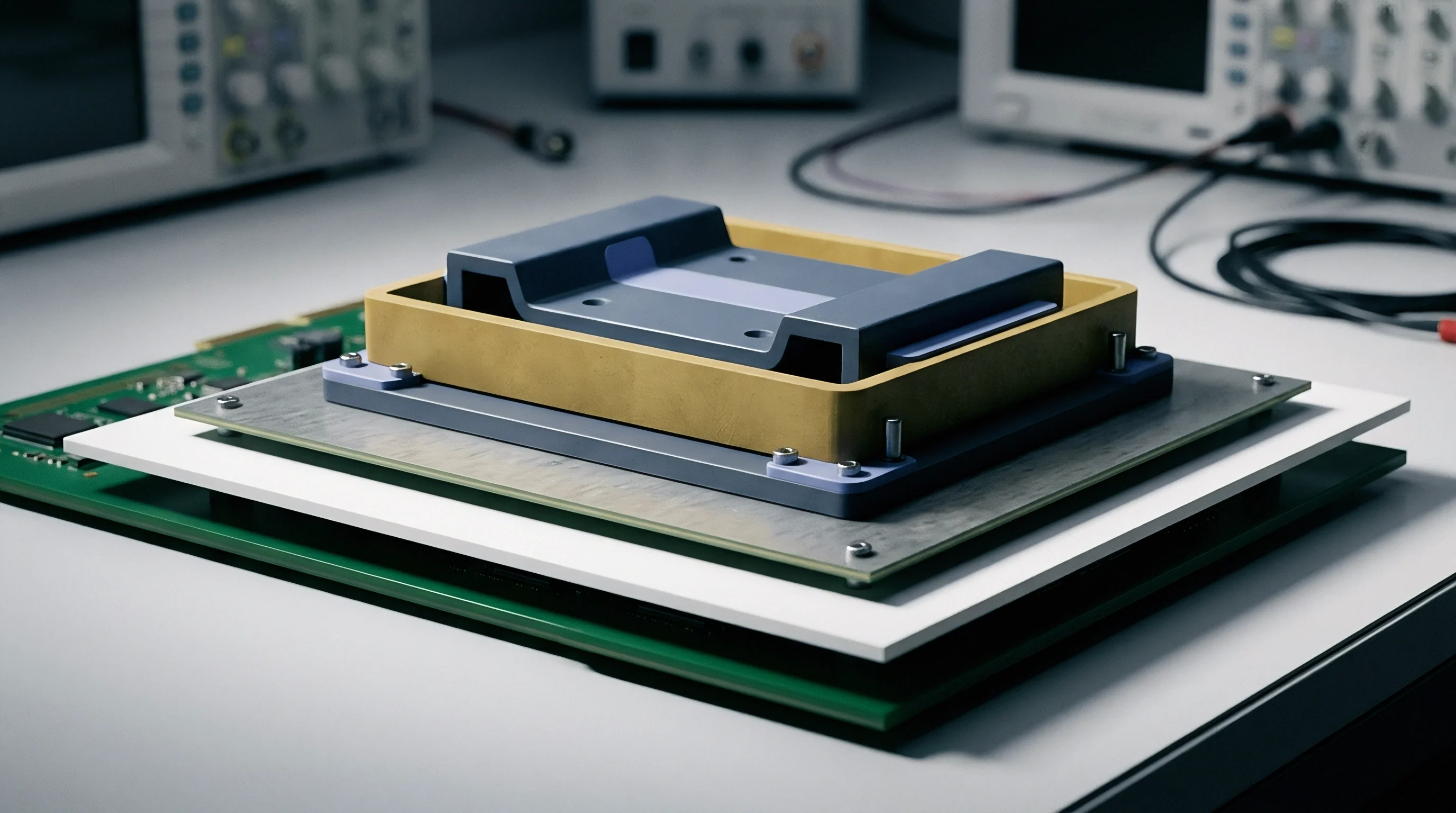

Injunction
When an offshore assembly plant locks up a dual-sided bed-of-nails functional test fixture, production lines three thousand miles away quickly grind to a halt. Factory managers often refuse to hand over the mechanical fixture, automated pogo-pin cassettes, or flash programming computers loaded with proprietary device keys. Even if the manufacturing agreement mandates binding arbitration in Singapore under the Singapore International Arbitration Centre rules, forming a full tribunal takes five to nine months.
Waiting that long virtually guarantees cancelled product launches, escalating factory idle charges, and the risk of unauthorized cloning of custom firmware on radio transceivers. Getting relief in time requires an emergency arbitrator appointed within twenty-four to forty-eight hours to issue interim protective orders against the foreign contract manufacturer.
Major institutional rules allow a single emergency arbitrator to order interim measures before the main tribunal is constituted. These remedies range from restraining orders against disposing of, dismantling, or running proprietary test equipment to turnover orders instructing the factory to hand possession over to a court-appointed bailiff or escrow agent. The legal argument turns on urgent asset preservation: when test hardware houses unencrypted private cryptographic keys, custom calibration curves, or proprietary radio-frequency tuning routines, leaving it in the hands of an adverse supplier creates irreparable harm that money damages alone cannot remedy after the fact.
Under Section 12 of the Singapore International Arbitration Act, an interim order issued by an emergency arbitrator possesses identical legal status to an order handed down by a permanent tribunal.
Contract manufacturers usually oppose emergency petitions by raising cross-claims for unpaid non-recurring engineering fees, scrap allocations, or inventory liabilities, claiming a statutory or common-law possessory lien over the tooling until those invoices are cleared. Overcoming this defense requires absolute clarity in the arbitral petition. The applicant must prove that title to the test fixtures never passed to the supplier ~ showing that non-recurring tooling fees were either fully amortized or purchased under separate, standalone capital equipment purchase orders.
If the documentation fails to cleanly separate asset title from work-in-progress, emergency arbitrators are reluctant to issue turnover orders that alter the status quo prior to full evidentiary hearings.
| Arbitral Institution | Appointment Window | Order Delivery Target | Interim Order Legal Form | Ex Parte Availability |
|---|---|---|---|---|
| SIAC Schedule 1 | Within 24 hours of registrar acceptance | Within 14 calendar days of appointment | Interim award or procedural order | Unavailable under standard provisions |
| ICC Appendix V | Within 48 hours of secretariat processing | Within 15 days from file transmission | Interim procedural order | Unavailable under formal rules |
| HKIAC Schedule 4 | Within 24 hours of application receipt | Within 14 days of file delivery | Interim award or procedural order | Unavailable without extraordinary cause |
| ICDR Article 7 | Within 24 hours of notice verification | Within 3 calendar days of hearing close | Interim award or procedural order | Unavailable under published rules |
Although institutional rules provide fast-track timelines, success hinges on documentary preparation. An emergency application needs complete asset inventories, serial numbers, schematic schedules, firmware license riders, and verified chain-of-custody logs. Sourcing teams that roll tooling capital expenses directly into piece-part unit prices compromise their standing during an emergency application, as the arbitral registry will scrutinize whether title was severed from production commitments.
Where clear, unencumbered ownership is proven, arbitrators routinely grant preservation orders forbidding plant personnel from moving, powering up, or reverse-engineering the fixtures.
A well-drafted development clause ~ explicitly stating that proprietary test fixtures remain the exclusive property of the buyer and are held by the supplier solely as a revocable bailee ~ turns what could be a messy contractual fight into a straightforward claim for recovery of property.

Crate
Hardware sequestration disputes usually center on the complex electromechanical assemblies that run final device verification. A functional test fixture brings together custom mechanical cassettes, pneumatic clamps, microcontroller interfaces, automated RF power meters, and cryptographic programming modules. The damage from a seizure extends far beyond the physical aluminum or steel frame.
Inside sit bed-of-nails pogo assemblies aligned to within fifty-micrometer tolerances to hit tiny test points on multi-layer circuit boards; damaging or misaligning these pins renders the fixture useless to a second-source factory.
Calibrated reference boards ~ or “golden units” ~ degrade over time under continuous cycling, but they are essential for setting daily hardware baselines for vector network analyzers and spectrum receivers. Retaining them deprives the buyer of the physical transfer standards needed to validate identical test stations at a new assembly site. Withholding these reference boards can delay a second-source ramp-up by twelve to twenty weeks, making hardware retention one of the most effective leverage points a factory has to stall a buyer.
- Pogo Pin Interface Cassettes contain precision spring-loaded probes that interface directly with unprotected silicon test points, debug headers, and power rails across the carrier board.
- RF Shielding Enclosures isolate the radio under test from ambient cellular interference, housing custom near-field coupling antennas calibrated to exact frequency bands.
- Cryptographic Flashing Modules store sensitive device certificates, production root keys, and secure boot tokens embedded within local hardware security modules or locked microcontrollers.
- Automated Pneumatic Fixtures apply calibrated mechanical pressure across high-density ball grid array packages to avoid micro-fracturing solder joints during factory functional testing.
- Proprietary Test Software Executives execute custom test scripts, interface with automated measurement gear, and generate serial-locked manufacturing inspection logs.
Extracting firmware over JTAG takes only minutes. If test fixtures remain inside a hostile plant without remote software lockouts, technicians can pull binary firmware images straight from target modules or programmer buffers. Because many joint development agreements define software licensing vaguely, suppliers frequently claim co-ownership of test scripts that calibrate radio frequency power amplifiers or power management ICs.
An arbitral preservation order can halt active exploitation, but physical fixtures left on the factory floor remain vulnerable to component cannibalization, trace probing, and memory dumps until independent logistics agents physically take control.
Factory management holds the keys to the plant. When an emergency arbitrator orders the turnover of fixtures, plant personnel routinely claim the equipment was dropped from transit carts, fried by electrical surges, or misplaced during warehouse reorganizations.

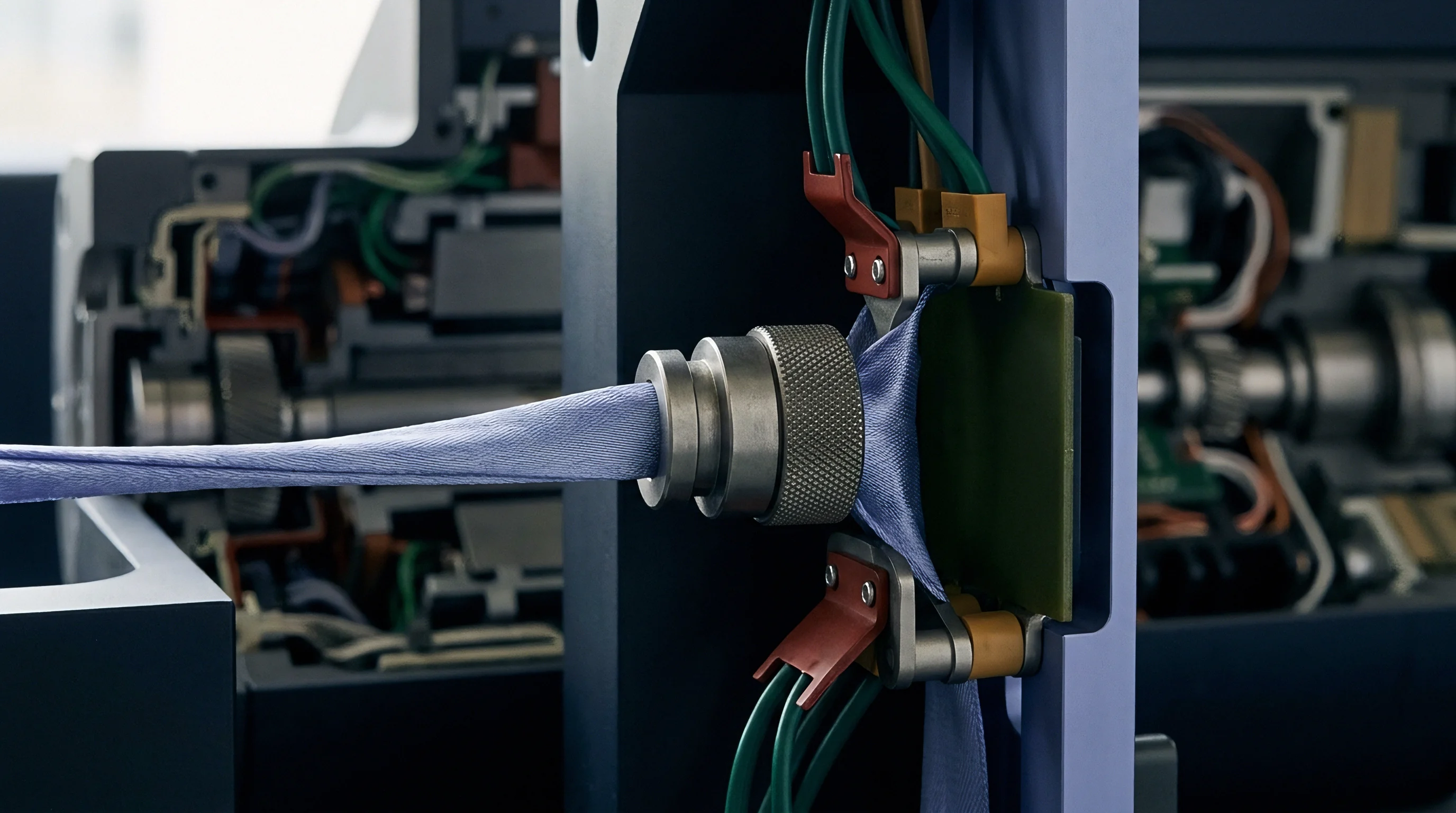
Tribunal
Securing an interim protection order requires proving that delay will cause harm money cannot fix. The applicant must meet three standard arbitral criteria: a reasonable prospect of success on the underlying claim, an urgent need to head off imminent injury, and a balance of convenience that clearly favors the buyer. While arbitrators view lost profits as compensable through damages at the end of the case, a buyer can establish irreparable harm by showing that the fixtures contain non-replicable trade secrets, custom RF calibration routines, or cryptographic keys whose exposure would jeopardize regulatory filings, brand trust, or product safety systems.

Do Emergency Orders Bind Offshore Contract Manufacturers?
Arbitral orders bind only the signatories to the arbitration agreement, as an emergency arbitrator’s authority comes strictly from the underlying contract. An order directing the release of test fixtures creates an immediate obligation for the named corporate entity. Plant executives who ignore the directive risk severe fallout in the main proceedings, including adverse inferences over stolen intellectual property, preliminary cost sanctions, and accelerated determinations of liability.
A cash undertaking or irrevocable bank guarantee exceeding 250,000 USD is frequently conditioned by the arbitrator to indemnify the respondent against improper fixture removal.
Complications arise when the operating facility is an offshore affiliate, joint venture, or sub-tier contractor not named on the signature line of the original agreement. If that operating entity is not a party to the arbitration clause, the emergency arbitrator has no direct jurisdiction over it, and veil-piercing arguments are rarely persuasive during a forty-eight-hour briefing window. To avoid this gap, supply contracts should require parent entities to explicitly guarantee compliance across all subsidiaries, assembly plants, and bonded storage facilities where proprietary equipment is held.
- Proving Irreparable Harm requires showing that stolen test firmware, leaked secure boot keys, or disrupted market availability cannot be repaired through post-award monetary compensation.
- Demonstrating Immediate Urgency involves proving that the contract manufacturer has initiated unauthorized fixture disassembly, software decompilation, or line conversion before the substantive tribunal forms.
- Balancing Relative Hardship establishes that releasing the test jigs inflicts minimal commercial harm on the factory while retaining them causes catastrophic operational shutdown for the buyer.
- Posting Adequate Financial Security satisfies the arbitrator that potential storage, packing, or outstanding component fees will be covered if the buyer ultimately loses on the merits.
Rushing a teardown without qualified test engineers risks bending fragile pogo pins or ruining custom interface plates. An emergency application should set out detailed decommissioning procedures, handling protocols, and named third-party specialists who will oversee removal. If the applicant fails to show how the equipment can be safely extracted, arbitrators are far more likely to order the fixtures sealed in place rather than handed over for export.
If an emergency petition fails to prove both unencumbered ownership and immediate urgency, the arbitrator will decline relief. That leaves the fixtures impounded through months of main proceedings, while lead times for replacement tooling drain the buyer’s remaining working capital.

Enforcement
Winning an order from an emergency arbitrator settles the contractual question, but an arbitrator has no police power, cannot command law enforcement, and cannot break through a factory gate. Converting an interim order into physical possession requires local courts in the supplier’s jurisdiction to enforce it. Here, international arbitration hits a wall: the United Nations Convention on the Recognition and Enforcement of Foreign Arbitral Awards covers only final awards.
Because an emergency order is temporary and issued before the dispute is fully tried, enforcement under the New York Convention is uncertain or unavailable in many manufacturing hubs.
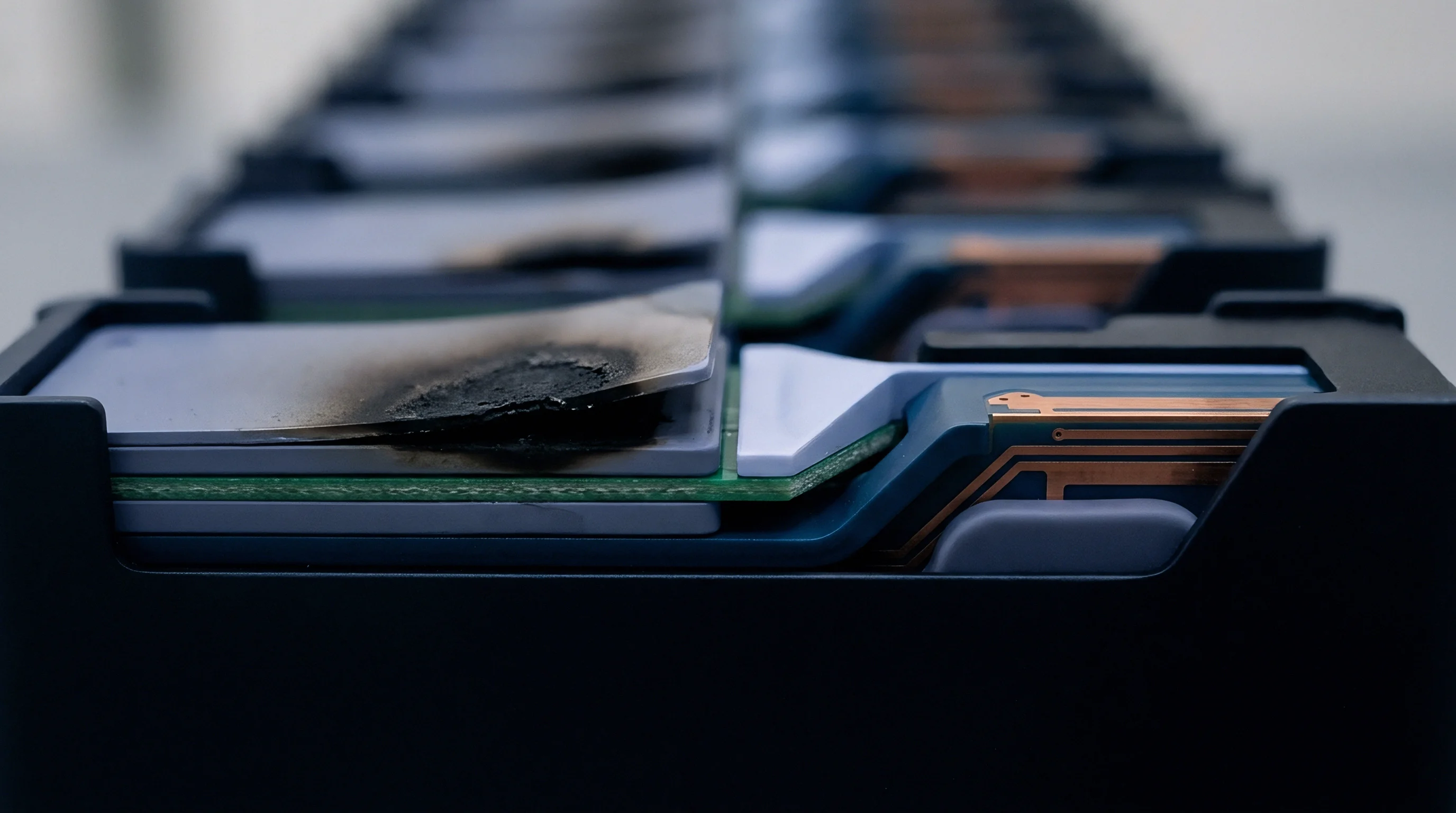
Will Foreign Courts Enforce Interim Asset Injunctions?
Whether emergency relief recovers physical equipment or ends up as a paper promise depends on local court practices. Jurisdictions following the revised UNCITRAL Model Law on International Commercial Arbitration ~ specifically Articles 17H and 17I ~ provide clear statutory mechanisms for local courts to enforce interim orders regardless of where the arbitration is seated. Judges in these jurisdictions treat an emergency arbitrator’s decision much like a domestic preliminary injunction, directing court officers to seize and secure the hardware.
Under Article 17H of the UNCITRAL Model Law, an interim measure issued by an arbitral tribunal is recognized as binding and enforced upon application to the competent court.
Civil procedure codes vary widely across manufacturing hubs in Asia and the Americas. Hong Kong and Singapore explicitly allow courts to enforce emergency arbitral orders directly, giving them the weight of high court orders. Mainland China takes a different stance, as courts there historically enforce only final awards under the New York Convention.
Under the mutual arrangement for court-ordered interim relief between Mainland China and Hong Kong, parties in institutional arbitrations administered in Hong Kong can petition Mainland Intermediate People’s Courts directly for property preservation ~ a route unavailable to an emergency order issued outside Hong Kong.
| Manufacturing Jurisdiction | Statutory Basis | Enforceability of Foreign Emergency Orders | Direct Court Asset Seizure Path | Typical Enforcement Latency |
|---|---|---|---|---|
| Singapore | International Arbitration Act Sec. 12 | Fully enforceable under statutory amendment | High Court writ of seizure and sale | 3 to 7 business days |
| Hong Kong | Arbitration Ordinance Part 3A | Enforceable as High Court order upon leave | Bailiff execution on physical property | 5 to 10 business days |
| Mainland China | PRC Civil Procedure Law / Arr. | Direct foreign emergency awards unenforceable | Parallel application to Intermediate Court | 15 to 45 business days |
| Taiwan | Taiwan Arbitration Act Art. 39 | Indirect enforcement via court-ordered injunction | District court execution through bailiffs | 10 to 25 business days |
| Vietnam | Law on Commercial Arbitration Art. 53 | Limited enforcement; strictly favors local courts | Civil judgment enforcement agency | 30 to 90 business days |
| Mexico | Commerce Code Arts. 1470 to 1480 | Enforceable via judge under UNCITRAL rules | Federal or state judicial seizure order | 14 to 35 business days |
Threats of contempt carry little weight with overseas subcontractors. Even when a local judge issues an execution writ, plant managers in major electronics hubs often turn bailiffs away at the gate by invoking cleanroom restrictions, biosafety rules, or environmental permits. Overcoming these barriers requires coordinating with municipal police, local notaries, and licensed industrial experts to gain entry past factory security.
Bailiffs arriving on site generally cannot distinguish generic bench equipment owned by the plant from custom fixture cassettes owned by the buyer. Sourcing teams should send an experienced engineer with the enforcement officers to identify serial numbers, asset barcodes, and custom wiring harnesses. Without expert guidance on the floor, officers may seize standard monitors while leaving the critical test beds and flashing systems behind.
- Deposition of the Foreign Order requires translating the emergency arbitral decision into the local official language via certified court-approved translators, followed by consular legalization or apostille verification.
- Filing an Exequatur Application initiates formal domestic court review to verify that the target asset sits within territorial jurisdiction, the arbitration agreement is valid, and public policy remains unviolated.
- Issuance of Execution Writ commands the local judicial bailiff or enforcement officer to physically visit the plant, identify the listed machinery, and serve notice of asset attachment.
- Physical Sequestration and Padlocking transfers physical custody to an independent, bonded warehouse or secures the test cell under judicial wax seals directly on the factory floor.
If local political or administrative resistance prevents physical removal of the hardware, a buyer can seek an alternative court order requiring supervised data wiping. Under court supervision, a notary witnesses the cryptographic erasure of solid-state drives, flash memory, and microcontroller registers carrying proprietary routines. That sanitizes the intellectual property risk even if the metal chassis remains trapped in storage.
How quickly equipment can be recovered usually comes down to whether local execution rules let bailiffs act before the factory is formally served with notice of the attachment petition.

Repatriation
Even after winning court enforcement, moving recovered test hardware across borders brings significant regulatory challenges. Custom test fixtures, automated debuggers, and flashing stations cannot simply be shipped under standard commercial invoices. They are used capital assets, temporary tooling, or controlled dual-use electronics; attempting to export them without complete compliance paperwork often leads to a second seizure at the port of departure.
Customs officials check serial numbers and physical specs closely. If equipment entered under a temporary import bond or ATA Carnet, the physical units must match the chassis numbers, weights, and manifest details filed at entry. If the supplier modified the fixtures ~ adding pneumatic manifolds, altering switch matrices, or swapping transformers ~ the units will no longer match original documentation.
Discrepancies are often flagged as illegal equipment substitutions or tariff evasion, resulting in fines and impounded crates at maritime terminals.
Cryptographic components in test gear also draw scrutiny from export control authorities. Flash programmers with hardware security modules, encryption accelerators, or proprietary ciphers often fall under dual-use rules like Wassenaar Arrangement Category 5 Part 2. Moving this gear out of countries with strict technology controls can trigger national security reviews, especially if test scripts include source code for high-throughput military wireless protocols or satellite communications interfaces.
When recovered crates finally reach the new plant, engineers face calibration drift and physical damage. Transit shocks, temperature swings in cargo holds, and rough teardowns can warp probe plates. Before connecting fixtures to new production runs, engineers must test pogo pin spring forces with calibrated force gauges, run loopback diagnostics, and swap out internal flash memory modules.
Putting recovered gear straight into service without thorough recalibration risks causing phantom test failures or bricking new microcontrollers.
The broader question is whether international arbitral institutions will adapt their frameworks to support directly enforceable cross-border digital lockouts, making lengthy physical seizures of equipment obsolete.