Resolving Long Term Driver Interface Degradation across Upstream Operating System Kernel Continuous Integration Pipelines
Automating DWARF symbol validation and out-of-tree shim isolation in kernel CI pipelines prevents build failures and controls long-term driver maintenance costs.

Erosion
Continuous integration pipelines monitoring the upstream Linux kernel frequently report driver build failures when internal kernel APIs undergo refactoring. Unlike operating system environments that enforce stable binary interface contracts between the kernel core and hardware drivers, mainline kernel development explicitly rejects internal driver interface stability. Function signatures acquire additional arguments, data structures lose or gain fields, and sub-system initialization sequences shift between major kernel releases.
When out-of-tree or vendor-supplied driver code relies on implicit data structure layouts, routine kernel upgrades break compilation across automated integration test suites.
Subsystem API Drift Mechanics
Internal kernel subsystems continuously clean up memory management calls, concurrency primitives, and bus-specific operations. A function pointer inside a device driver structure that accepted three parameters in one release branch often accepts four in the subsequent merge window to accommodate atomic context flags or NUMA node awareness. If an out-of-tree driver module source repository fails to keep pace with these upstream changes, downstream automated integration jobs immediately mark the build stage as failed.
Kernel interfaces shift constantly.
Memory mapping abstractions present a recurring source of maintenance load. Updates to direct memory access mapping helpers, scatter-gather list handlers, and page allocation APIs frequently alter safety checks or return code semantic patterns. Upstream developers commit changes daily.
| Interface Category | Modification Type | Detection Mechanism | Impact on Build Pipeline |
|---|---|---|---|
| Bus Subsystem (PCIe/Platform) | Probe function signature change | Static compiler type mismatch | Immediate build termination |
| Memory Management (DMA/Page) | Scatter-gather structure layout shift | DWARF symbol delta analyzer | Compilation warning or structure misallocation |
| Concurrency Primitives | Spinlock parameter initialization update | Sparse static analysis tool | Syntax failure or lockup during runtime test |
| Symbol Visibility | EXPORT_SYMBOL converted to EXPORT_SYMBOL_GPL | Linker undefined reference check | Target module linking failure |
Structural Modification Patterns
Data structure field reordering represents another major vector of driver interface decay. Core kernel data structures alter member offsets to enhance cache line utilization or pack bitfields tightly. Drivers accessing structure fields directly rather than utilizing accessor inline functions break when field names change or when member offsets shift, resulting in misaligned memory reads during hardware testing.
Maintaining isolated abstraction layers reduces the compilation failure rate across rapidly moving kernel development branches.
Out of tree modules break quickly.
System developers encounter several distinct root causes when tracking driver interface failures inside continuous integration pipelines:
- Symbol Visibility Reductions occur when core subsystem maintainers restrict exported function symbols, moving them from unrestricted access exports to GPL-only exports.
- Structure Offset Modifications alter memory alignment inside device context blocks, causing silent memory corruption during hardware read operations.
- Function Signature Expansion introduces mandated flags for locking context or power management states without providing backward-compatible wrapper functions.
- Subsystem Deprecation Cycles eliminate legacy helper routines completely after a multi-release warning window, stopping downstream module compilation.
The chipset vendor repeatedly claims that internal kernel struct definitions represent private upstream implementation details subject to arbitrary alteration across release cycles.

Sieve
Automated patch parsing pipelines filter incoming driver source code long before compilation touches target hardware test nodes. Incorporating static code verification engines into the early phases of continuous integration allows maintainers to identify structural mismatches instantly. These early pipeline gates analyze abstract syntax trees and symbol export databases to catch deprecated function usage before running full kernel build matrices.
Static Analysis Gates
Tools such as Sparse and Coccinelle scan driver source trees for invalid pointer coercions, improper locking annotations, and obsolete memory allocation calls. Semantic patch scripts written for Coccinelle automatically transform legacy function invocations into modernized subsystem signatures, generating patch diffs that repair driver code during pipeline execution.
Static checkers catch symbol missing faults.
Semantic static parsing reveals bugs that standard compiler flags miss. Missing lock acquire calls, invalid byte-order conversions on network packet descriptors, and uninitialized data structure fields trigger immediate pipeline failures, preventing broken code from occupying downstream build node runners.
Automated kABI compliance checks running DWARF binary analysis add approximately twelve minutes per patch set to pipeline execution latency.
Symbol Export Enforcement
Maintaining a stable kernel Application Binary Interface across long-term support distributions requires binary artifact dissection. Automated analyzers leverage debugging format data extracted from compiled ELF binaries to map structural definitions, enumerations, and function prototypes into canonical representations. Comparing newly built driver object files against target kernel reference trees flags unexpected binary layout shifts.
Patch parsing saves developer hours.
- Inject patch files into the integration repository staging branch.
- Run Sparse static checker to verify endian annotations and locking attributes.
- Execute Coccinelle semantic scripts to replace deprecated kernel subsystem APIs.
- Compile driver module against targeted upstream kernel headers.
- Extract DWARF debugging symbols using libabigail or kabi-dw tools.
- Compare generated binary symbol signatures against the distribution reference database.
- Block merge request if binary interface layout deviations exceed zero allowed tolerances.
Catching symbol shifts during static patch parsing prevents system panics during automated boot cycles.
Rig
Executing compiled driver modules on physical hardware targets within continuous integration infrastructures demands robust target control systems. Target nodes must boot freshly built kernel images, load the generated device driver, execute functional regression test suites, and recover automatically if the driver causes a kernel panic or hard system lockup. Hardware-in-the-loop test rigs form the final validation barrier before driver code enters production branches.
Hardware test rigs validate binaries.
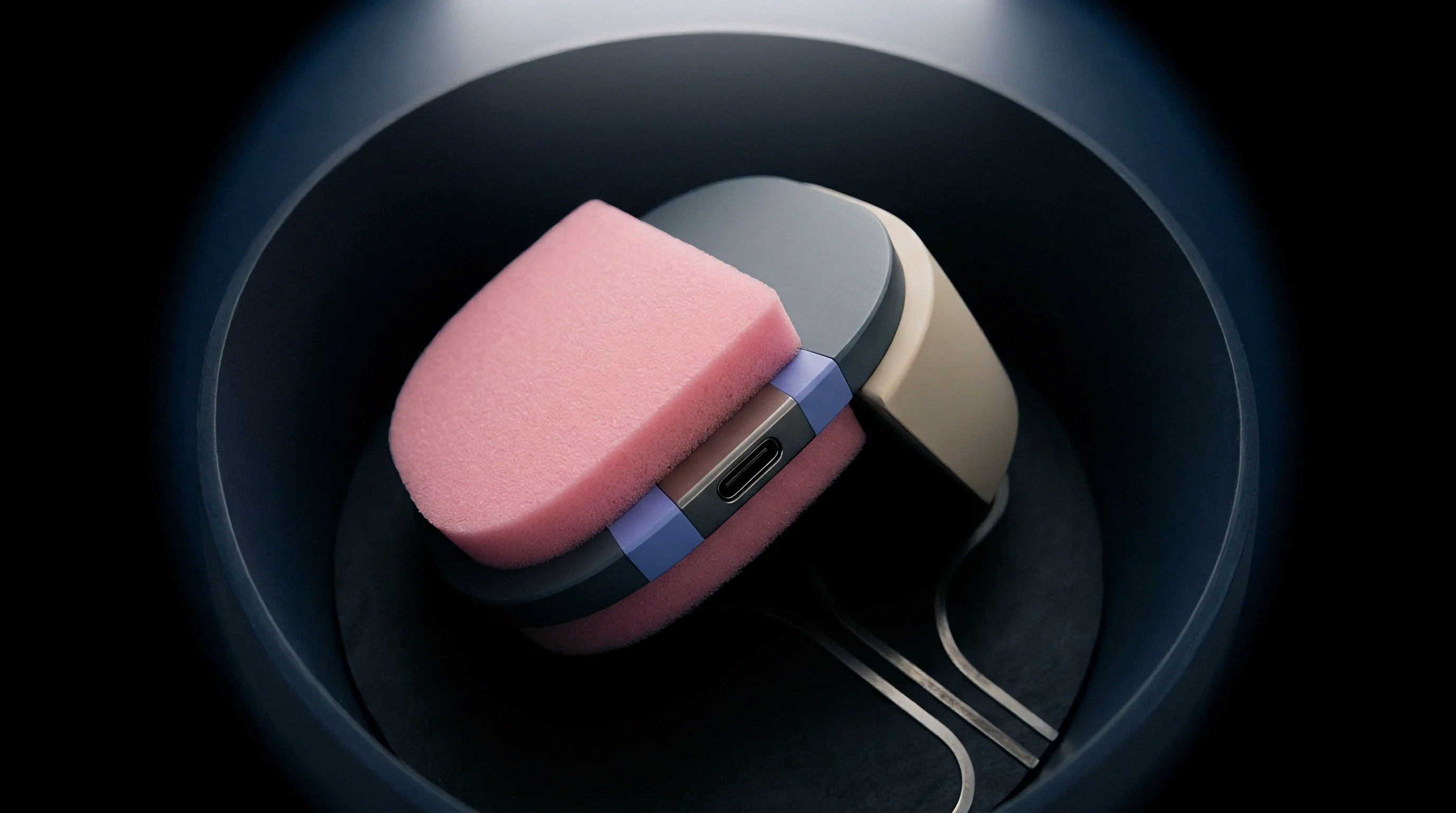
Hardware in the Loop Architecture
Target test nodes leverage remote power distribution units, serial console servers, and network boot environments to maintain autonomy. Automated test frameworks control these power switches and serial links to monitor kernel boot logs in real time. If a driver probe function triggers an kernel oops, the framework captures the stack trace over the serial console line and cycles node power immediately.
Kernel panics lock system consoles.
| Execution Platform | Target Node Density | Average Boot Time | Panic Recovery Mechanism | Pipeline Throughput |
|---|---|---|---|---|
| Virtual Machine (QEMU/KVM) | High (64 targets/host) | 12 seconds | Process kill and restart | 450 builds per hour |
| Bare-Metal ARM64 Board Farm | Medium (16 targets/rack) | 85 seconds | Network PDU power cycle | 60 builds per hour |
| PCIe Hot-Plug Test Rig | Low (4 targets/server) | 35 seconds | PCIe bus reset trigger | 120 builds per hour |

Matrix Execution across Kernel Trees
Validating driver compatibility demands testing against a wide array of kernel builds simultaneously. Integration systems dispatch job matrices covering mainline release candidates, stable long-term support branches, and vendor-specific trees. Parallel runner configurations prevent slow target boot sequences from bottlenecking software validation streams.
Flaky runners stall release pipelines.

Does out of Tree Shim Isolation Lower Continuous Maintenance Overhead?
Constructing thin compatibility wrappers around core driver logic isolates vendor device management from upstream kernel API changes. When kernel subsystems modify internal interfaces, developers update only the wrapper module rather than refactoring the underlying hardware abstraction layer. This design minimizes the code surface affected by upstream refactoring, reducing the labor hours necessary to maintain multi-kernel compatibility.
Non-compliance with IEEE 1212 configuration space mapping requirements during automated bus resets forces test rig kernel panics.
Deploying untested driver binaries to automated target nodes locks hardware management controllers and stalls continuous pipeline execution.
Contract
Defining clear boundaries between core driver business logic and upstream kernel interfaces minimizes code degradation. Turnkey module implementations that merge proprietary hardware controls directly into kernel-facing files create severe maintenance burdens. Establishing explicit software architecture rules isolates kernel subsystem changes to small, easily modifiable boundary shims.
Clear boundaries limit engineering churn.
Interface Abstraction Boundaries
Decoupling hardware execution logic from kernel primitives involves using clean internal APIs within the driver repository. The core device logic handles register sequences, packet queues, and state machines without directly invoking kernel-specific data structures. The boundary layer translates internal events into Linux subsystem primitives, acting as a buffer against upstream code refactoring.
Encapsulated shims protect core logic.
- Hardware Core Separation keeps register programming sequences isolated from kernel-specific tasklet or workqueue scheduling calls.
- Platform Wrapper Modules translate operating system memory allocation requests into internal driver buffer handles.
- Dual Licensing Strategy enables full upstream inclusion for interface shims while protecting sensitive IP inside user-space or firmware boundaries.
- Subsystem Shim Standardization uses thin translation headers that can be regenerated or patched independently of core hardware drivers.
Out of tree driver shims increase memory footprint while insulating core driver logic from subsystem symbol changes.
Out of Tree Maintenance Models
Choosing an integration strategy requires balancing initial non-recurring engineering costs against long-term maintenance expenses. In-tree maintenance yields zero out-of-tree build failure risks because upstream kernel maintainers refactor in-tree drivers whenever core APIs shift. Out-of-tree maintenance shifts the entire burden of tracking kernel changes back onto the module developer.
| Integration Model | Initial NRE Cost | Annual Maintenance Hours | Upstream CI Integration | Source Files Delivered |
|---|---|---|---|---|
| Full Mainline In-Tree Submission | $85,000 | 120 hours | Native KernelCI coverage | Full C source, Kconfig, Makefile |
| Isolated Out-of-Tree Shim | $32,000 | 480 hours | Custom downstream pipeline | Wrapper source, binary blob core |
| User-Space UIO/VFIO Driver | $45,000 | 160 hours | Standard OS build matrix | User C++ library, thin kernel module |
Inserting an explicit kABI compliance addendum into the software scope of work shifts driver update labor costs directly to the module supplier.

Remediation
Eliminating driver interface degradation permanently requires actively submitting out-of-tree driver code into the upstream mainline kernel tree. Upstream submission integrates the driver into the central kernel repository, making core kernel developers responsible for updating the driver whenever they refactor internal subsystem APIs. When kernel maintainers alter a function signature or data structure layout, they refactor every in-tree driver simultaneously as part of their patch series.
Upstream patch submission reduces long debt.

Upstream Refactoring Workflows
Submitting drivers to the upstream Linux kernel requires adhering to strict coding standards and maintainer review processes. Code must pass Checkpatch scripts, build cleanly without warnings across all target CPU architectures, and use standard kernel logging, concurrency, and memory management functions. Once accepted into mainline, continuous integration pipelines run by the Linux Foundation and independent test labs automatically cover the driver in every build test run.
Dual licensing unlocks internal kernel APIs.
Memory corruption triggers system resets.
Allocation of Engineering Capacity
Consider an engineering team maintaining a custom PCIe network interface driver across three long-term support kernel versions and the active upstream development mainline. Assume that upstream subsystem updates require 15 engineering hours per kernel release branch to refactor out-of-tree driver APIs, fix compiler warnings, and re-validate hardware compatibility on test rigs.
With four kernel releases per calendar year across four active target branches, out-of-tree driver maintenance consumes 240 engineering hours annually. At an average internal rate of $125 per engineering hour, maintaining the out-of-tree driver costs $30,000 per year in pure labor. Over a five-year product lifecycle, total out-of-tree maintenance expenditures reach $150,000.
Mainlining the driver requires an upfront investment of approximately 500 engineering hours ($62,500) to refactor code to upstream standards, engage with maintainers on mailing lists, and pass patch review rounds. Once merged into mainline, annual maintenance requirements drop to approximately 20 hours ($2,500) for device-specific bug fixes, as upstream maintainers update the driver interface calls during global kernel refactoring. Over five years, the total cost of the mainlined driver equals $75,000, representing a 50 percent savings compared to out-of-tree maintenance models.
- Code Audit Deliverables must include full Sparse and Checkpatch compliance reports covering every source file.
- Hardware Emulation Fixtures provide QEMU target platforms to allow upstream maintainers to compile-test code without physical hardware access.
- Maintainer Registration Entries list designated engineers in the upstream MAINTAINERS file to ensure build breakage notifications route directly to responsible parties.
- Regression Test Automation supplies public testing pipelines with standalone test scripts that validate driver functionality on actual hardware.
Engineers continue to debate whether long term support kernels should freeze subsystem driver abstractions or force out of tree maintainers to follow upstream refactoring cadences.