Resolving Border Interdictions Triggered by Host Level Radio Frequency Emissions and Labeling Deficiencies
Host radio emissions and label errors at customs require pre-shipment radiated scans and verified grant compliance to prevent inventory seizure.


Breach

Entry Interdiction Mechanics at Import Customs
Customs authorities in major import jurisdictions maintain automated screening filters targeting shipments of electronic equipment with integrated wireless functionality. Border inspection software cross-references tariff codes, bill-of-lading descriptions, and registered manufacturer identification numbers against communications authority databases. When a host device containing a certified radio module arrives at the port of entry, any discrepancy between the physical enclosure markings and the official authorization records triggers immediate cargo holds.
Importers facing interdiction receive formal notices of detention specifying the grounds for administrative action. Border officials classify these holds into technical non-compliance categories: missing regulatory identifiers, improper logo dimensions, missing mandatory user warnings, or unverified radio frequency emissions profiles. The hold places the shipment into a high-security bonded customs facility where demurrages accrue per container day.
- Initial Border Screening Cargo manifests containing radio-enabled host devices undergo automated risk scoring by border customs authorities upon port entry.
- Document Inspection Audit Port agents demand the original grant of equipment authorization alongside technical test reports matching the exact model designation printed on the shipping bill.
- Physical Goods Examination Customs inspectors open designated master cartons to audit serial plates, FCC identifiers, CE marks, and required warning statements on host housings.
- Seizure and Quarantine Placement Discrepancies between printed housing marks and registered database records force immediate cargo detention into bonded customs storage under daily storage tariffs.
Customs holds compound daily.
Mandatory Documentation Inspections and Physical Audits
Field agents conduct visual checks on sampled host units drawn directly from detained pallets. Inspectors examine the physical housing for mandatory identification strings, regional conformity logos, and correct warning scripts. Discrepancies in font size, missing country-of-origin indications, or unreadable compliance plates cause immediate escalation from administrative inquiry to formal regulatory interdiction.
Document verification occurs simultaneously with physical checks. Importers must supply complete technical files including module grants, host integration instructions, user manual copies, and declarations of conformity matching the precise firmware build loaded into the shipped hardware. Misalignment between the host model designation on the customs invoice and the technical filing documentation halts clearance operations instantly.
A single failed host radiation audit at major port facilities elevates cargo detention rates to one hundred percent for subsequent shipments under the same commercial importer code.
Import holds block revenue.
Failure to align physical host markings with underlying authorization records results in permanent cargo forfeiture and entry bans across the destination port network.

Harmonics

Host Circuitry Coupling into Integrated Antennas
Unintended electromagnetic radiation originates primarily from high-speed digital circuitry within the host device rather than the certified transmitter module. Switching voltage regulators, unshielded microprocessor clock lines, and high-speed data buses emit broadband energy across the radio frequency spectrum. When integrated inside a compact host housing, these unintentional radiators couple directly into the trace feeds, ground planes, and physical structure of the integrated module antenna.
This parasitic coupling degrades the radio frequency performance profile of the host system. High-frequency digital noise converts the antenna structure into an effective radiator for host-generated harmonics. Consequently, host devices that integrate fully pre-approved radio modules frequently exceed class B radiated emissions limits when tested as complete, operating systems within a semi-anechoic test chamber.
Clock lines radiate noise.
Shielding solves edge leakage.
| Frequency Band (MHz) | Standard Limit (dBµV/m at 3m) | Common Host Noise Sources | Measured Radiated Degradation (dB) |
|---|---|---|---|
| 30 to 88 | 40.0 | Switching Power Supply Ripple | +6.2 |
| 88 to 216 | 43.5 | Display Panel Clock Lines | +8.4 |
| 216 to 960 | 46.0 | High-Speed Memory Bus Traces | +5.1 |
| Above 960 | 54.0 | Internal Microprocessor Harmonics | +9.7 |

Radiated Spurious Emissions above Unintentional Thresholds
Measurement of host-level radiated emissions follows standardized procedures defined in ANSI C63.4 for North America and CISPR 32 across European jurisdictions. Test engineers rotate the host device three hundred and sixty degrees on a motorized turntable inside anechoic enclosures while scanning receiving antennas across polarizations and height ranges from one to four meters. Unintentional radiation spikes originating from host components routinely break standard class B limit masks during peak processing operations.
A measured radiated emissions margin of 3.0 dB at 480 MHz rests on CISPR 32 Class B test specifications inside a certified three-meter semi-anechoic chamber. Increasing the host antenna feed trace length by 5 millimeters introduces localized resonance, reducing this compliance margin to negative 2.5 dB and triggering compliance failure during port authority spot-checks.
Non-compliance with ANSI C63.4 radiated emission measurement distance specifications invalidates pre-scan data and forces complete laboratory re-testing under standard three-meter chamber conditions.
Uncontained harmonics destroy compliance margins across every commercial radio band.
- Unshielded Switch-Mode Regulators Switching transients on power rails conduct high-frequency ripple directly into host copper planes, converting board traces into intentional radiators.
- Unterminated Bus Traces High-speed serial lines operating without proper impedance matching reflect harmonics into host enclosures.
- Poor Antenna Feed Isolation Traces carrying RF signals past unshielded microcontroller clocks cross-couple energy into the primary antenna structure, elevating out-of-band spurious emissions.
- Floating Enclosure Panels Metal chassis pieces lacking continuous ground contact behave as slot antennas at microwave frequencies.
Suppliers frequently state that because the radio module carries full modular approval, the host device automatically satisfies all radiated emissions limits without further testing.

Sticker
Physical Housing Marking Regulations by Region
Physical regulatory markings serve as the primary external proof of compliance during initial border inspections. Regional telecommunications authorities dictate explicit rules governing mark legibility, physical durability, font height, and placement on host housings. A host device containing a modular transmitter must present designated compliance text clearly indicating the presence of an approved radio module on its outer surface.
In North American markets, host enclosures require specific regulatory phrasing alongside the module FCC Identifier code. European regulations mandate the CE mark accompanied by the manufacturer name and single point of contact address visible directly on the host exterior. Omission of these physical elements or improper application of adhesive labels that fail standard rub tests causes instant quarantine at border entry control points.
Label location rules bind.
Physical marks require permanency.
| Regulatory Body | Mandatory Mark | Required Text Envelope | Minimum Font Height | Physical Placement Standard |
|---|---|---|---|---|
| FCC (USA) | FCC Logo / Statement | Contains FCC ID: | 4.0 mm | External Permanent Housing |
| CE (European Union) | CE Conformity Mark | Importer Address Block | 5.0 mm | External Body or Rating Plate |
| ISED (Canada) | IC Identifier | Contains IC: | 4.0 mm | External Permanent Enclosure |
| Giteki (Japan) | Giteki Mark Symbol | R | 3.0 mm | Visible Enclosure Surface |

E-Labeling Provisions and On-Screen Disclosure Constraints
Electronic labeling offers an alternative to physical enclosure printing for devices featuring an integrated digital display screen. Regulatory authorities allow e-labeling provided the user can access compliance information within three screen navigation steps without requiring specialized access codes or physical tools. The host product packaging and accompanying documentation must still carry physical safety warnings and transport compliance notices.
When physical space limitations prevent legible printing on micro-sized host housings, regulatory exceptions allow placement inside the battery compartment or on primary retail packaging. Using an e-label scheme on host products lacking an integrated electronic display constitutes an immediate labeling violation during customs audits, leading directly to cargo entry rejection.
Place mandatory host regulatory statements on permanent external surfaces visible at the time of purchase rather than under removable battery covers.
- Host Marking Identification Enclosures display the statement indicating the host contains an approved transmitter module alongside the precise module identifier.
- Regional Compliance Logos Physical housings exhibit legibly etched or printed compliance logos matching the target destination market rules.
- User Manual Inclusions Printed or electronic quick-start documentation contains the full non-interference declaration mandated by regional communications commissions.
- Importer Address Block Master packaging and host units carry the legally registered name and physical postal address of the destination market importer.
Incorporating Section 15.19 compliance clause language directly into host manufacturing purchase orders shifts legal liability for non-compliant housing prints back to the primary assembly factory.


Probe
Diagnostic Radiated Scans and Near-Field Mapping
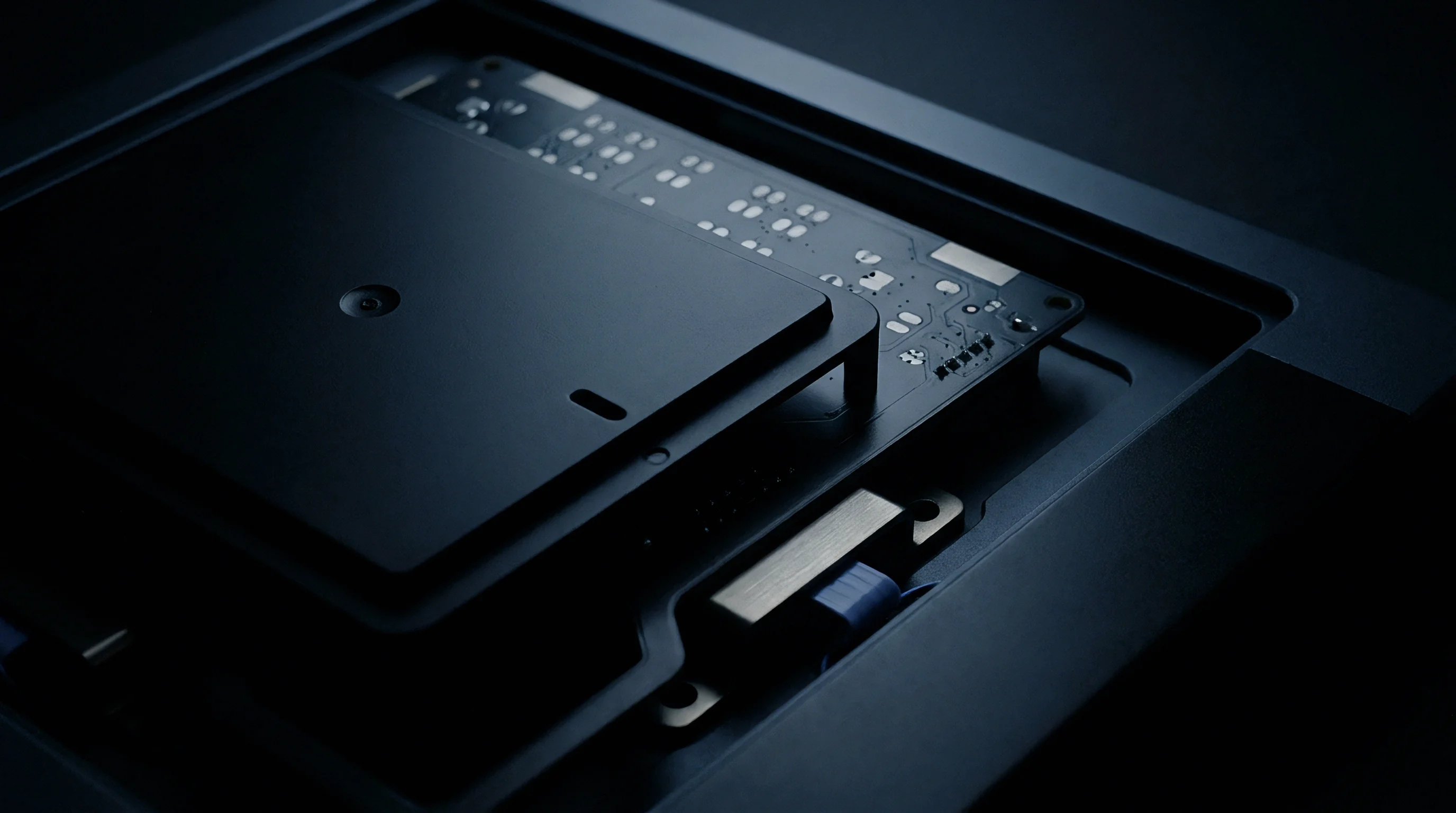
Isolation of non-compliant radiated signals demands systematic measurement across both near-field and far-field domains. Test engineers use calibrated magnetic and electric near-field probes connected to spectrum analyzers to scan the host board layout while active. This process pinpoints specific copper traces, clock oscillators, unshielded IC packages, and seam gaps that emit unwanted electromagnetic radiation.
A measurement uncertainty figure of 1.2 dB rests on calibrated near-field probe setups operated inside temperature-controlled laboratory environments between 20 and 24 degrees Celsius. Allowing ambient room temperatures to drift outside this range introduces thermal variation into probe amplifier circuits, skewing noise-floor measurements and hiding critical harmonic peaks.
Pre-scans reveal board leaks.
Chamber scans show truth.
Ferrites choke cable noise.

Where Do Unintentional Radiator Boundaries Fail?
Determining the exact boundary between intentional radio transmission and unintentional host noise requires precise chamber decoupling. Engineers disconnect the module antenna and terminate the RF output port into a fifty-ohm non-radiating dummy load. Operating the host device under maximum processing load while running diagnostic firmware isolates pure host-generated unintentional radiation from legitimate transmitter sidebands.
Identifying the leaking frequency components enables targeted physical hardware mitigations. Engineers apply board-level grounding clips, add ferrite chokes to internal ribbon cables, increase copper stitching around high-speed traces, or modify switching regulator frequencies. Verifying these physical hardware changes inside the test chamber ensures that radiated emissions return below mandatory threshold levels prior to re-filing documentation.
Engineers continue to debate whether near-field scan data can reliably predict far-field compliance margins when host housings switch from aluminum to composite materials.


Filing

Permissive Change Pathways for Modified Host Enclosures
Modifications to a host board layout, antenna substitution, or housing geometry after initial certification require formal regulatory classification. Radio regulatory frameworks establish specific change classes based on the scope of hardware alterations. When host-level modifications increase radiated emissions or change antenna radiation patterns, the manufacturer must execute a formal permissive change filing.
In North American jurisdictions, Class II Permissive Changes cover hardware modifications that alter radiated emissions profiles while remaining within original rule limits. The permissive change dossier contains fully updated test reports from an accredited laboratory demonstrating continued compliance under the modified host configuration. Operating modified host equipment without completing these required filings invalidates the underlying equipment grant.
Filing delays stall shipments.
Agents review test reports.
- Conduct complete radiated spurious emissions pre-scans inside an accredited 3-meter semi-anechoic chamber using final host production assemblies.
- Compile formal test reports documenting compliance with applicable unintentional radiator limits and modular integration conditions.
- Submit a Class II Permissive Change application to the Telecommunications Certification Body detailing layout modifications and antenna gains.
- Update the technical dossier and Declaration of Conformity to reflect revised host model numbers and regulatory marks.
- Provide certified copies of the updated authorization grant to customs authorities to secure cargo release clearance.

Technical Dossier Updates for Redirection of Interdicted Goods
Resolving an active border detention requires supplying customs authorities with an updated, fully aligned technical construction file. Importers submit official grant documents, revised declarations of conformity, and certified lab reports matching the interdicted host lot. Telecommunications certification bodies process permissive changes within standard administrative review windows ranging from two to four weeks depending on filing backlogs.
Customs clearance officers reject regulatory updates that lack matching serial numbers between the physical host and the test report annex.
Filing permissive changes prior to shipping host inventory saves more calendar time than negotiating release after cargo arrives in customs detention.


Dock

Bonded Warehouse Relabeling and Inspection Sign-Off
Executing remedial actions on detained inventory inside customs custody requires coordination between logistics handlers, accredited test laboratories, and customs brokers. When interdictions stem exclusively from labeling deficiencies, importers apply for official authorization to perform remedial marking under direct customs supervision inside a bonded warehouse facility. Special work permits allow designated personnel to apply approved overlay labels or replace compliant rating plates across master cartons and individual host units.
Retesting takes chamber hours.
Delays erode gross margin.
Storage fees accrue daily.
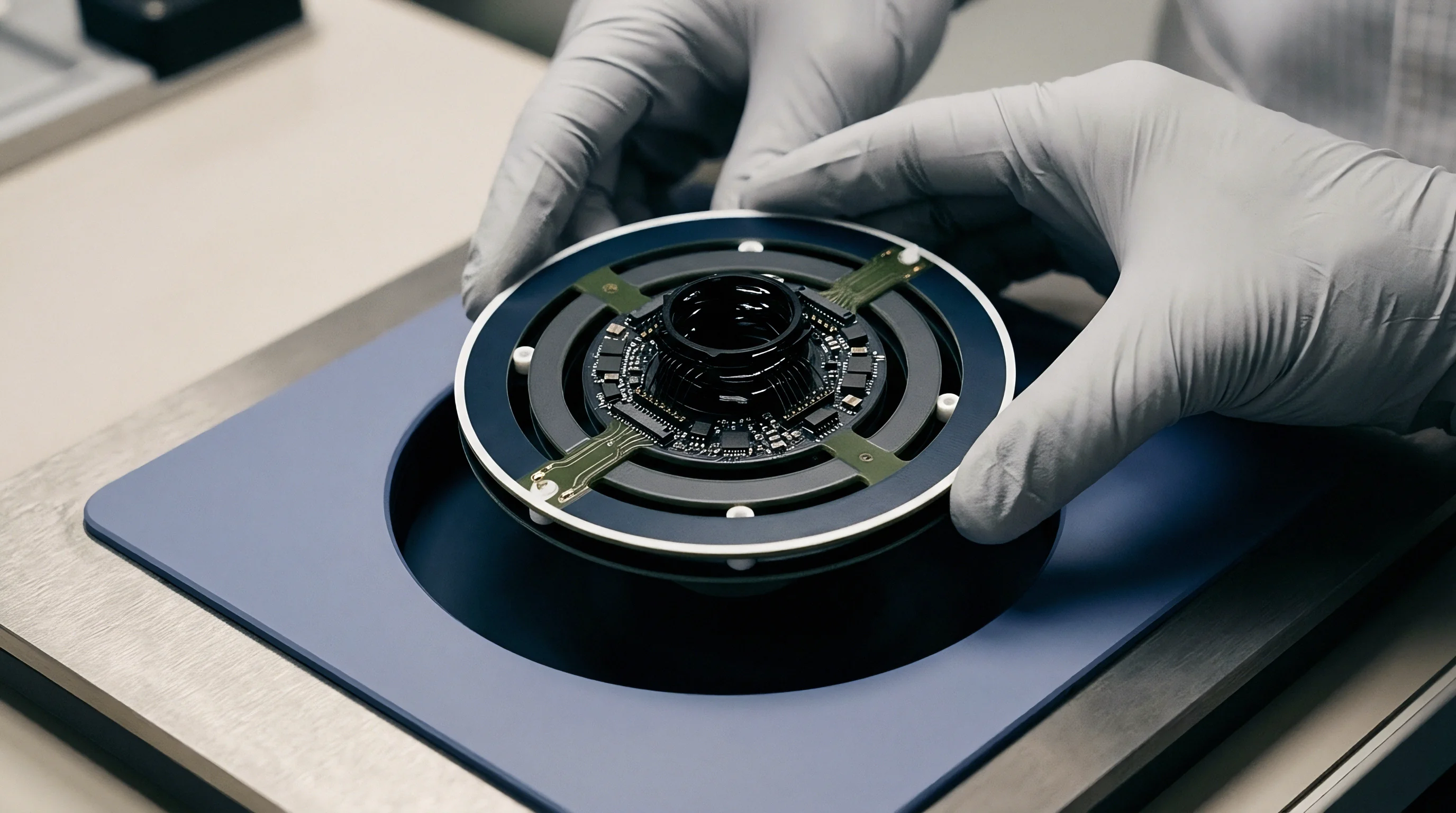
When interdictions result from host emissions failures, physical hardware modifications within a bonded warehouse present extreme operational difficulty. Importers must re-export detained cargo back to an offshore manufacturing site or secure a temporary customs bond permitting re-work under controlled quarantine. Remediation technicians install internal shielding frames, ferrite components, or updated firmware builds before submitting sample host units for local chamber re-scans.
| Remediation Action | Daily Storage Tariff ($) | Port Processing Time (Days) | Laboratory Rescan Fee ($) | Total Impact per 1000 Units ($) |
|---|---|---|---|---|
| In-Bond Enclosure Relabeling | 150.00 | 14 to 21 | 0.00 | 4,500.00 |
| On-Site Firmware Flash Update | 250.00 | 21 to 30 | 1,500.00 | 9,000.00 |
| Offshore Hardware Rework & Re-Export | 400.00 | 35 to 60 | 4,500.00 | 28,500.00 |
Financial Recovery Arithmetic for Interdicted Shipments
Port authority clearance operations for remediated host inventory span a window between 14 and 45 business days. The desk cannot pinpoint exact release calendar days due to unpredictable port authority inspection backlogs. Buyers manage this uncertainty by integrating a maximum forty-five-day holding fee buffer directly into landed cost models prior to issuing international purchase orders.
Customs detention costs accumulate rapidly across multiple cost vectors: bonded warehouse storage fees, container demurrage penalties, customs broker administrative charges, laboratory re-testing fees, and local labor rates for manual re-marking. Unbudgeted remediation expenses frequently exceed twenty percent of total shipment cargo value, eliminating gross margin on interdicted production runs. Establishing strict pre-shipment host-level testing verification and physical marking audits protects international supply chains from costly border halts.