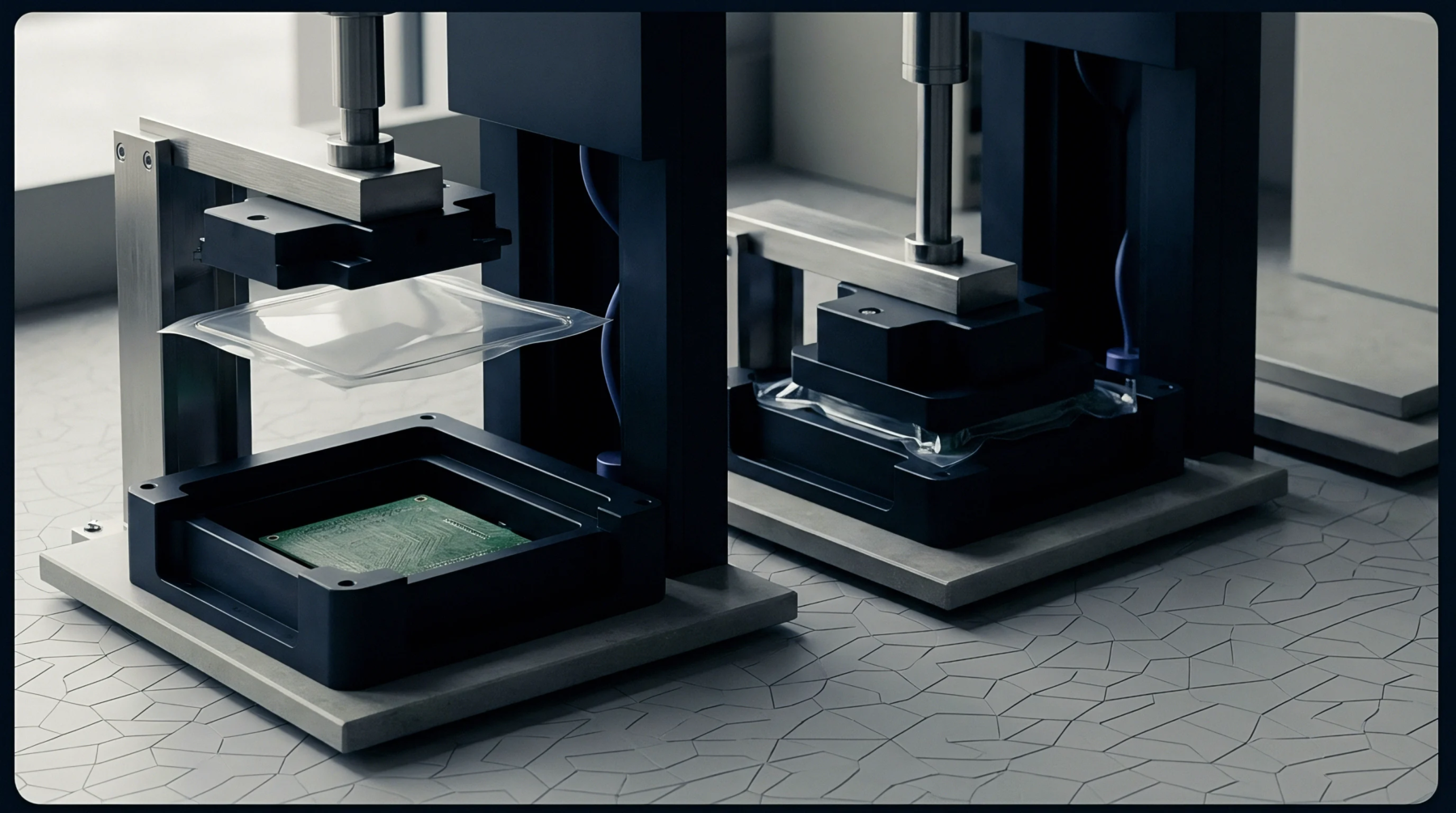
Evaluating Class Two Permissive Change Triggers in Embedded Transceivers
Class Two permissive changes trigger whenever transceiver integration alters antenna gain, exposure distance, or co-transmission margins beyond granted limits.
Class Two permissive changes trigger whenever transceiver integration alters antenna gain, exposure distance, or co-transmission margins beyond granted limits.

Maintain Class II authority over closed-source modules by executing a Change in ID to secure an independent grant, then filing host test data directly.
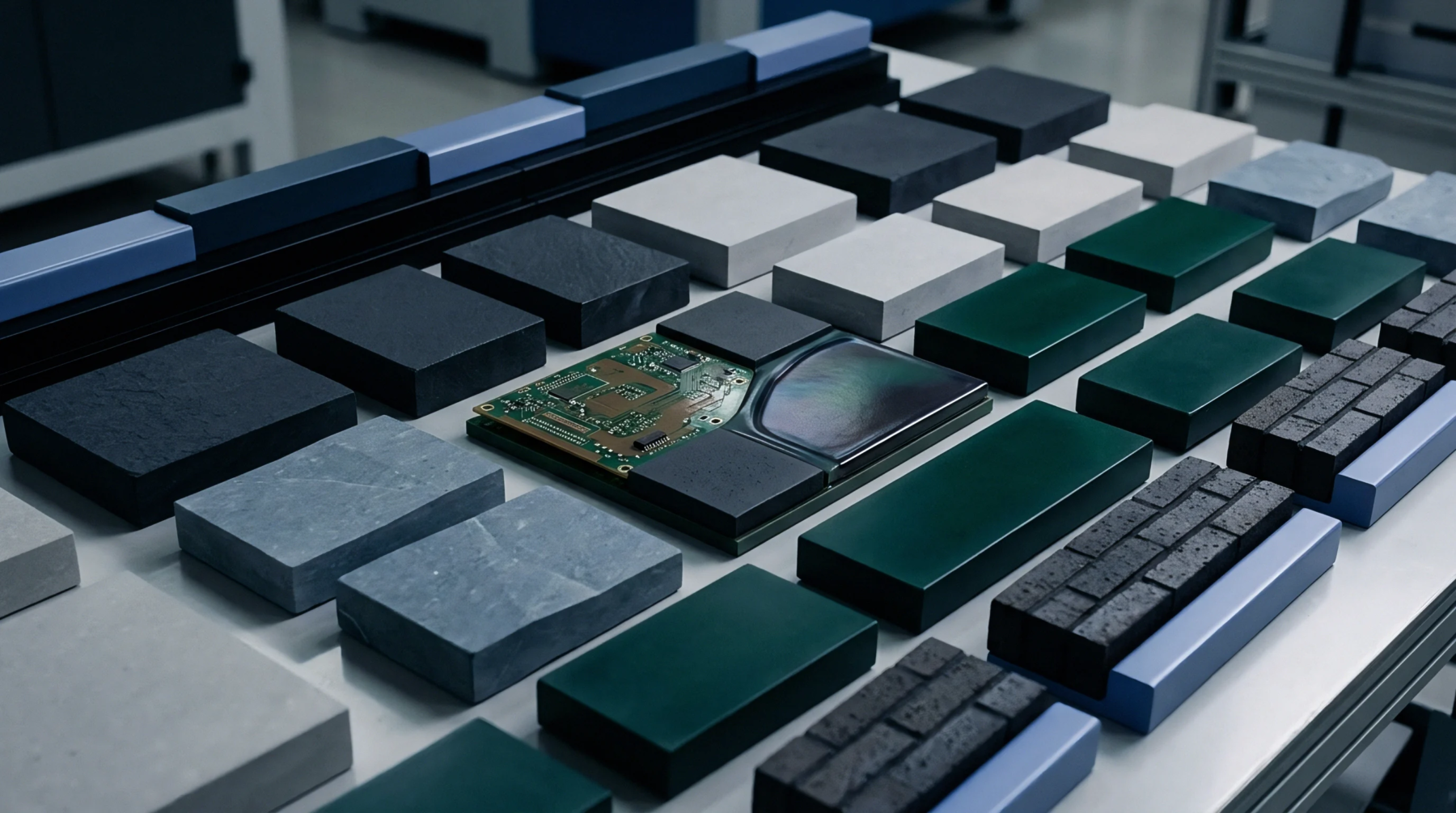
Rebranding certified radio equipment requires an active original grant, written grantee authorization, an independent grantee code, and identical hardware.
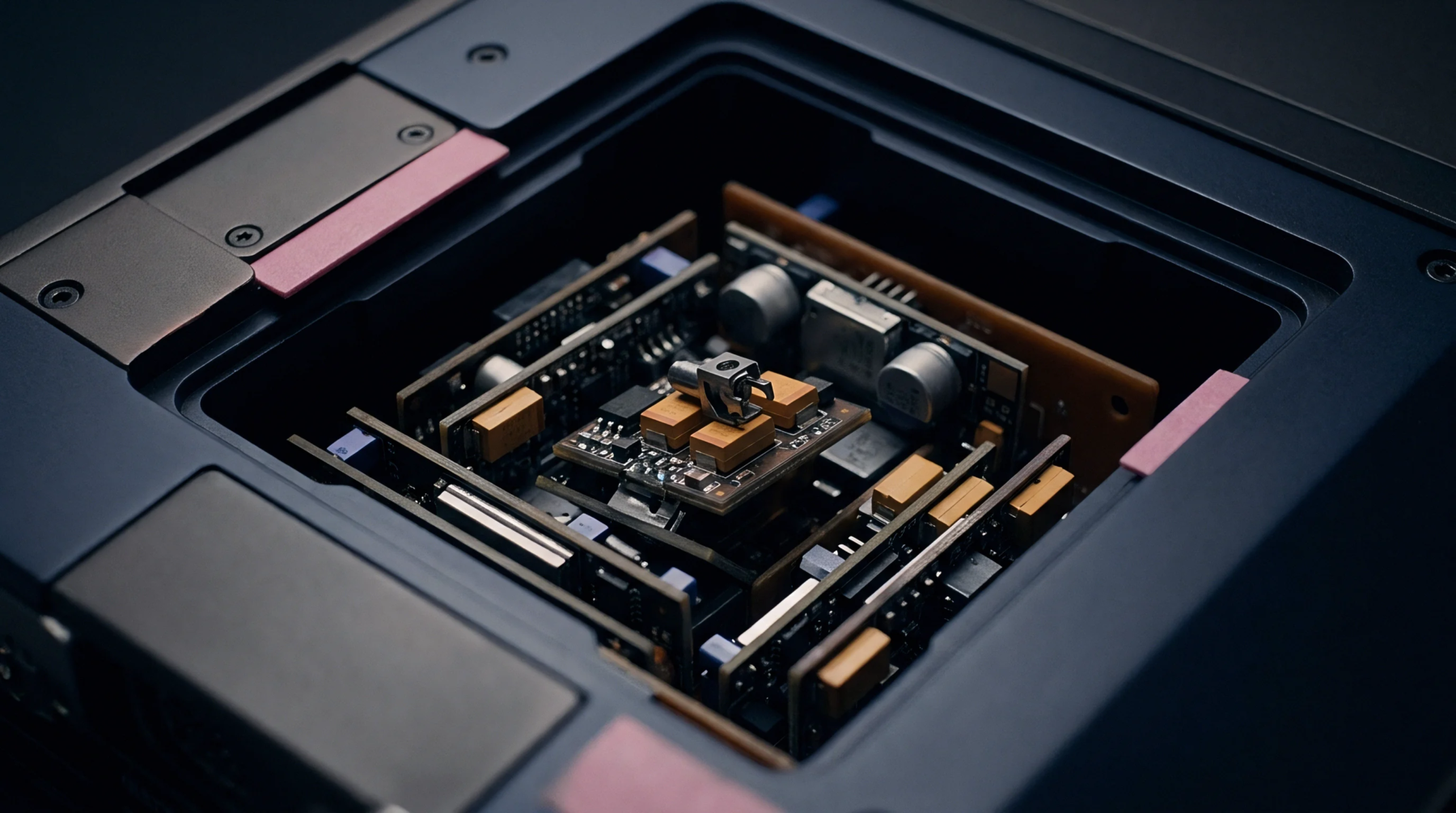
Host chassis material or layout changes require radiated spot-checks and a formal Class II Permissive Change filing whenever spurious harmonic levels degrade.
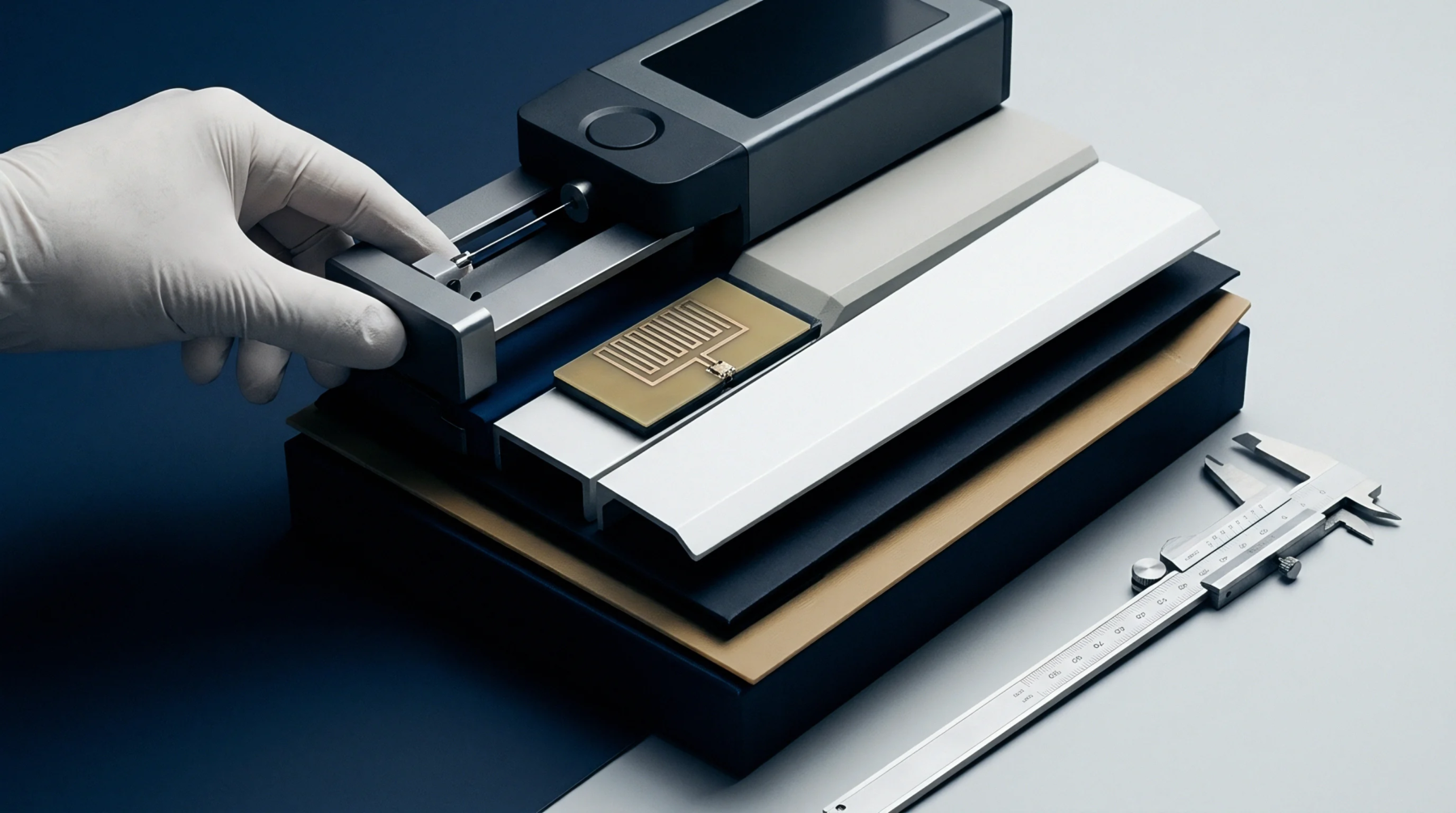
Grantee authorization letters legally permit host integrators to reuse module test data, preventing expensive re-testing and customs import rejections.
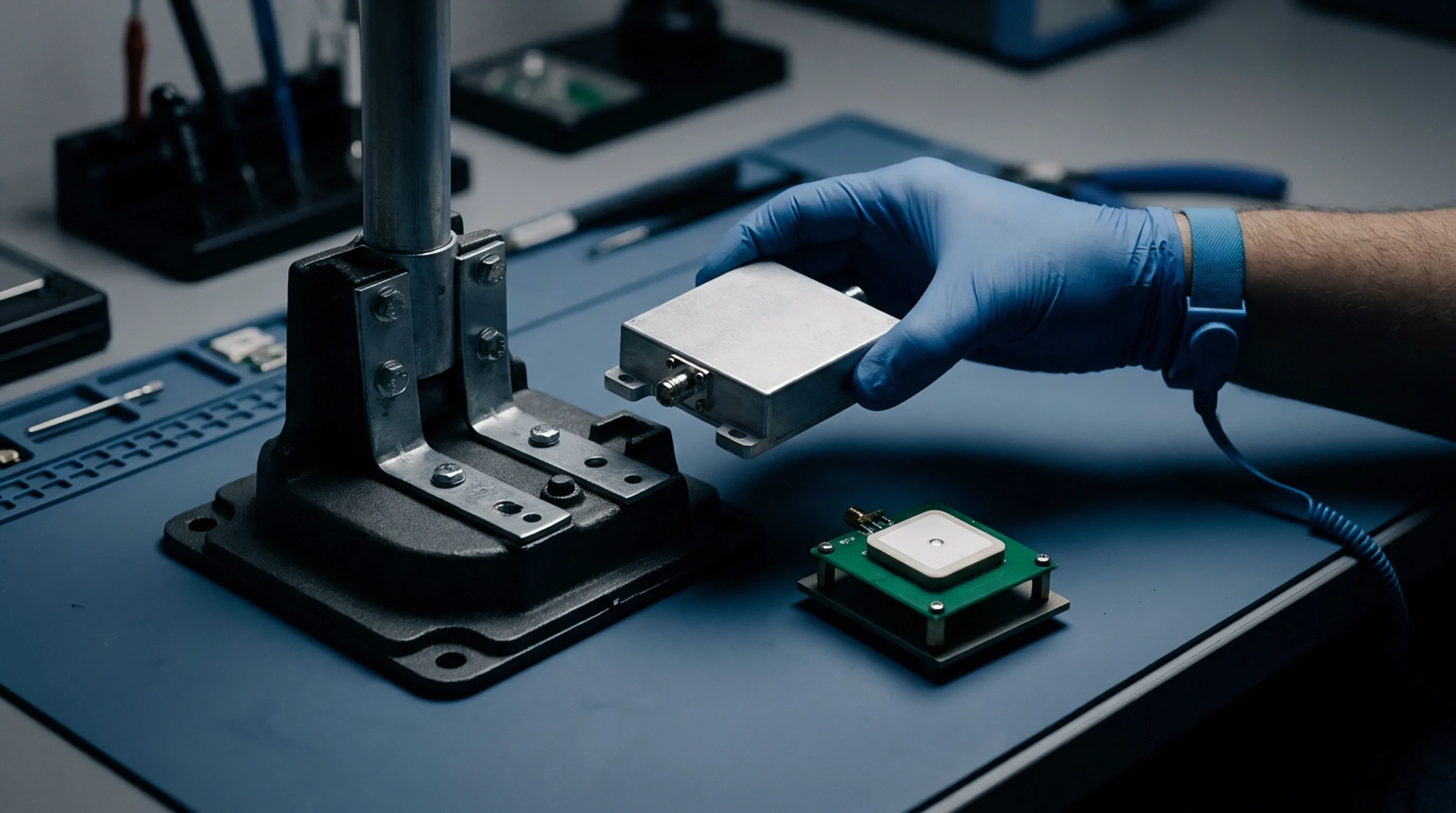
Section 2933 filings transfer FCC equipment authorization to a new grantee code without retesting, provided hardware and circuitry remain unchanged.

FCC modular class changes require Class I audit logs for minor zero-increase emissions shifts and Class II filings for higher gain, host SAR, or altered spurious profiles.
Expertise is a utility, not a secret. sentiention™ publishes its working knowledge as open reference: intelligence layer covering the materials it sources, the markets it enters, and the reference that serves both.