Meaning
Standardized testing methodology defines the push-rod dilatometry procedure used to measure linear thermal expansion of rigid solid materials. The standard ASTM E228 specifies specimen dimensions, temperature ramp rates, and calibration requirements for vitreous silica or alumina dilatometers operating from minus 180 to 1600 degrees Celsius. The test governs characterization of mean coefficients of thermal expansion for structural metals and electronic packaging polymers.
Application limits exclude materials that undergo phase transformations or outgassing that alters specimen length during thermal exposure.
Test Apparatus
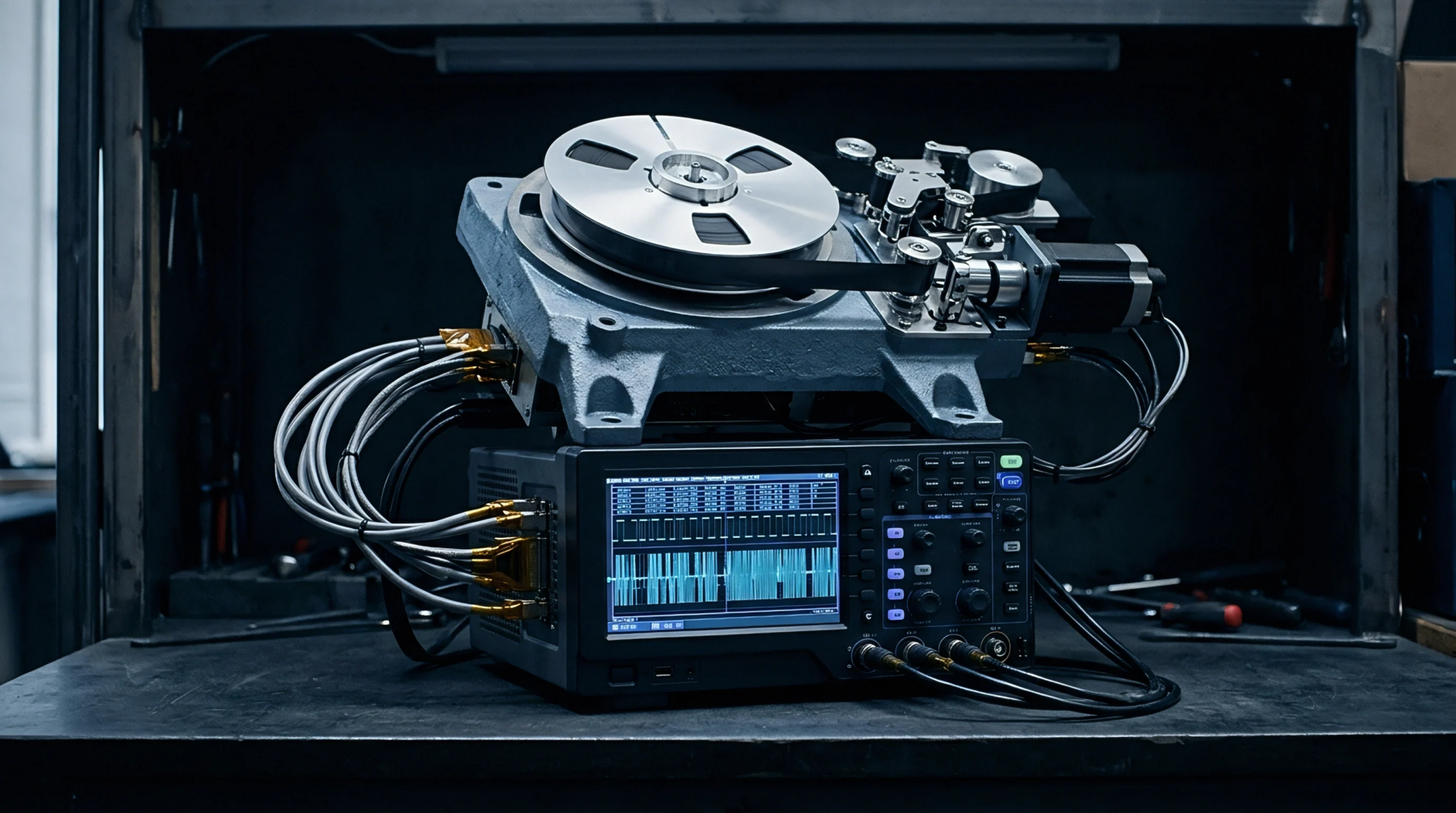
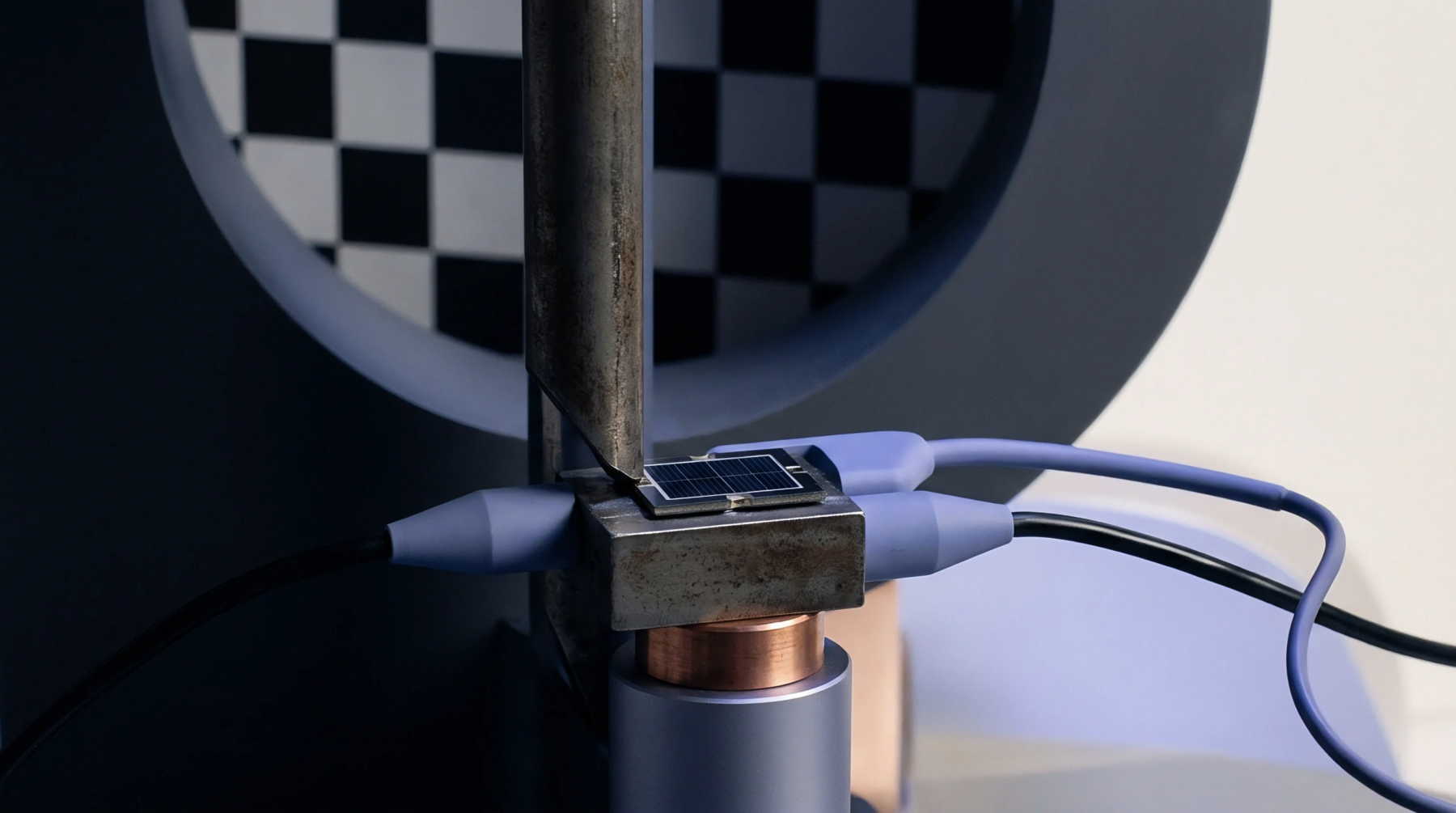
Vitreous silica push rods transmit length changes from the specimen inside a controlled furnace to an external displacement transducer. Testing to ASTM E228 requires temperature sensor placement within two millimeters of the sample midpoint. Precision thermocouples track thermal lag.
Inert gas purge prevents oxidation.
Data Correction
System expansion calibrations subtract the thermal growth of the apparatus from raw displacement measurements. Applying ASTM E228 involves baseline runs using high-purity platinum reference standards to establish transducer offset curves. Polynomial equations fit raw delta length values across the full temperature cycle.
Differential expansion calculations isolate pure material response from fixture growth. Numerical smoothing removes electrical noise artifacts from low-expansion alloy curves.
Application Boundary
Soft polymers de-form under push-rod contact forces. Testing under ASTM E228 stops being valid when specimen compressive creep alters length readings.