Meaning
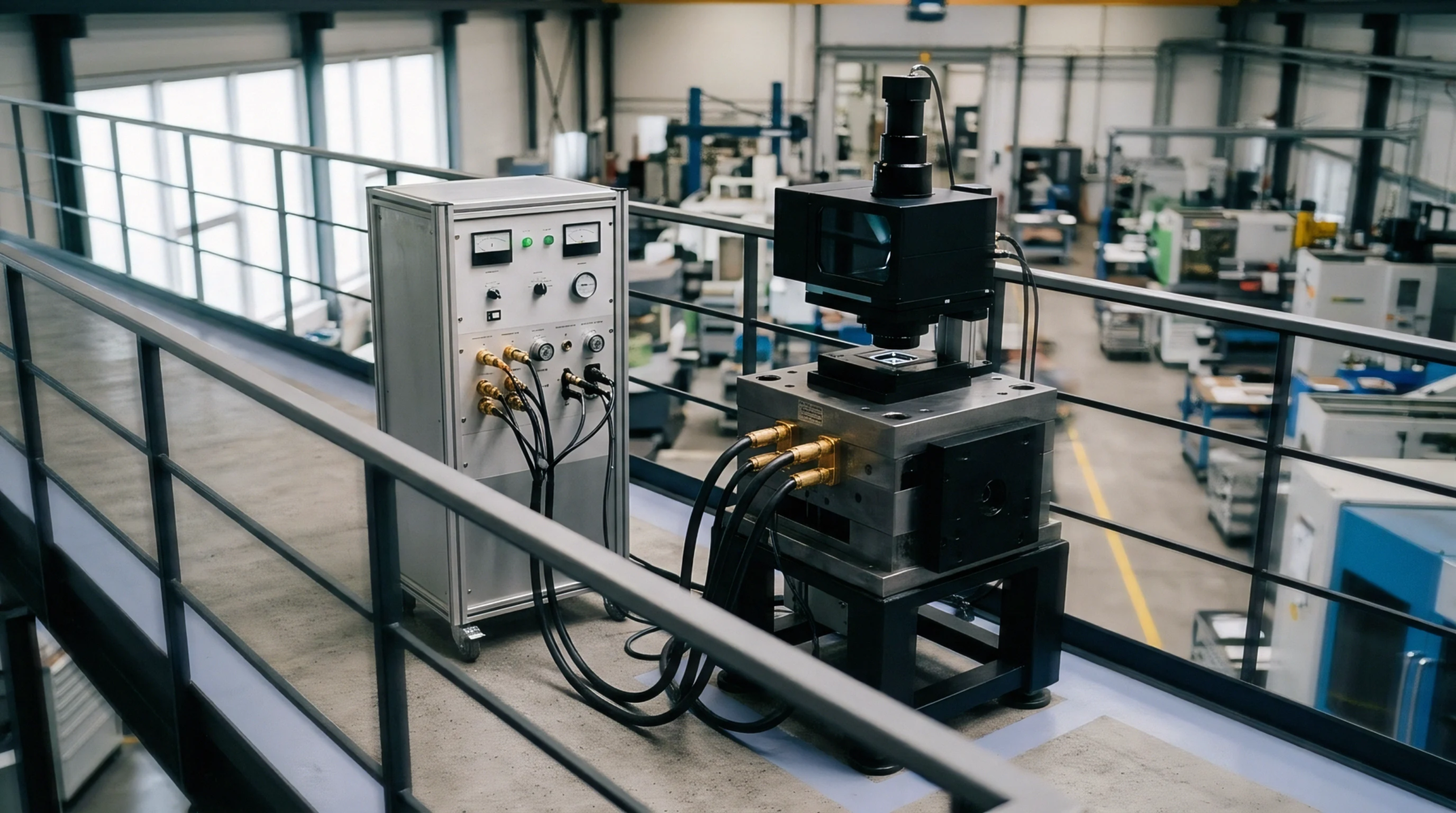
Quality control software sequences scan physical barcodes and execute optical inspections at assembly stations to confirm that correct sub-assemblies enter the production flow. Automated line verification ensures that circuit boards and peripheral housings match the bill of materials before downstream operations apply permanent encasements. If a mismatch occurs, interlocks halt conveyor movement to prevent misconfigured devices from reaching final test.
Sensor Integration
Automated optical inspection cameras combined with inline laser scanners read etched serial codes on surface-mount boards. In cellular module manufacturing, automated line verification queries the manufacturing execution system to validate MAC addresses against the active build schedule. Optical sensors verify orientation and physical placement before automated screwdrivers secure shield cans over RF circuitry.
Misaligned shields trigger an immediate flag, routing the board to a rework station.
Defect Prevention
Halting processing at the exact station where an error occurs reduces material scrap and eliminates wasted factory capacity. When an incorrect module variant enters a programming fixture, automated line verification interrupts the flashing cycle prior to writing permanent bootloader configurations into memory cells. This intervention avoids bricking microcontrollers or burning invalid cryptographic credentials into hardware root-of-trust registers.
Assemblies failing validation are mechanically gated off the main transport belt.
Traceability Log
Production databases store timestamped records of every sensor pass and barcode match across the manufacturing sequence.