Meaning
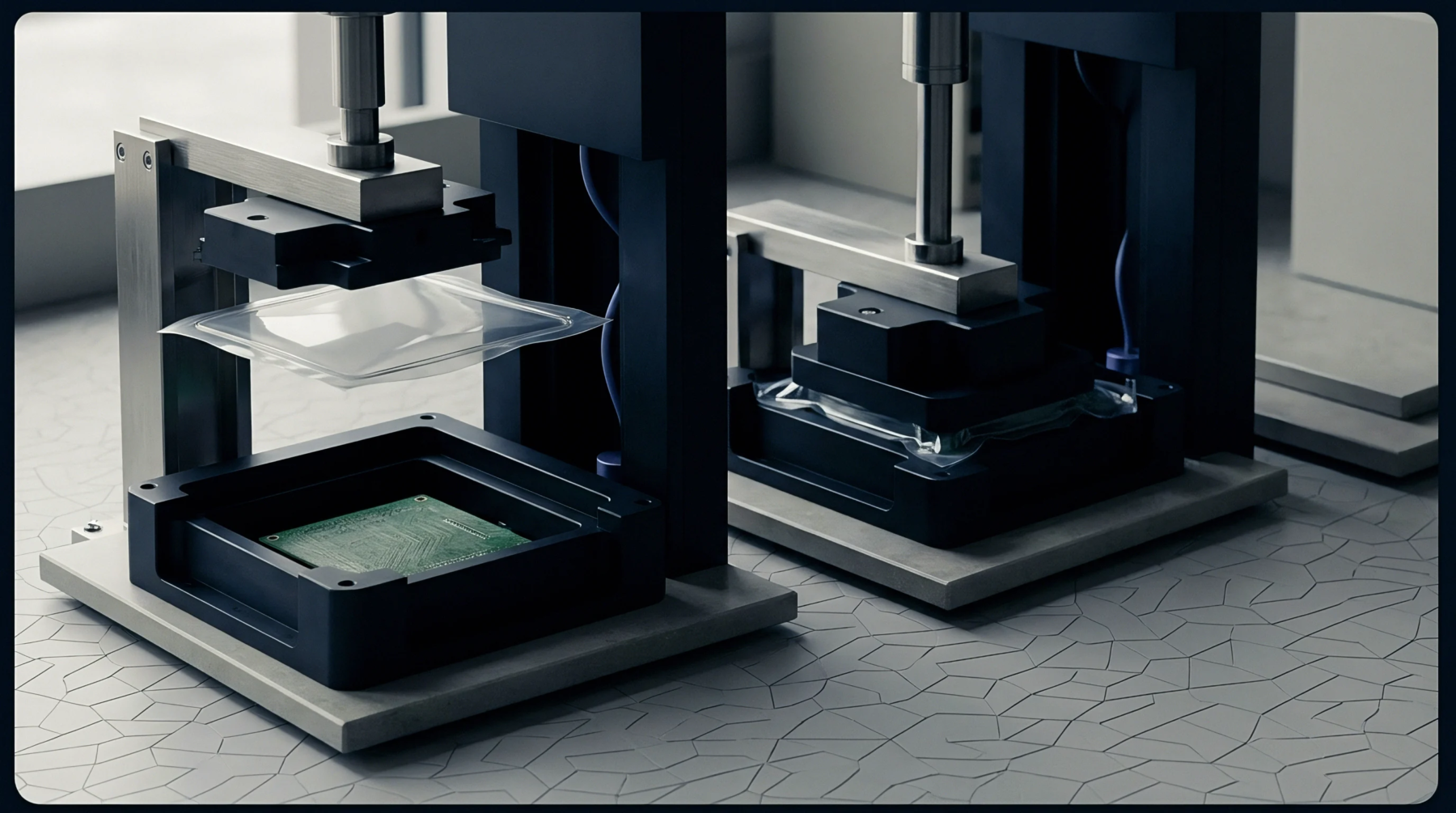
Hardware qualification for printed circuits establishes the electrical and mechanical stability of a populated board under thermal stress and vibration before production scale begins. During this laboratory verification phase, the c4pc identifier tracks the specific revision level of the base material and soldered components submitted for type approval. Compliance limits stop at the edge of the printed assembly, meaning subsequent housing integration or cable routing falls outside this baseline.
Qualification failure halts the manufacturing release until copper trace lifting limits or solder joint microcracks receive remediation.
Mechanical Strain
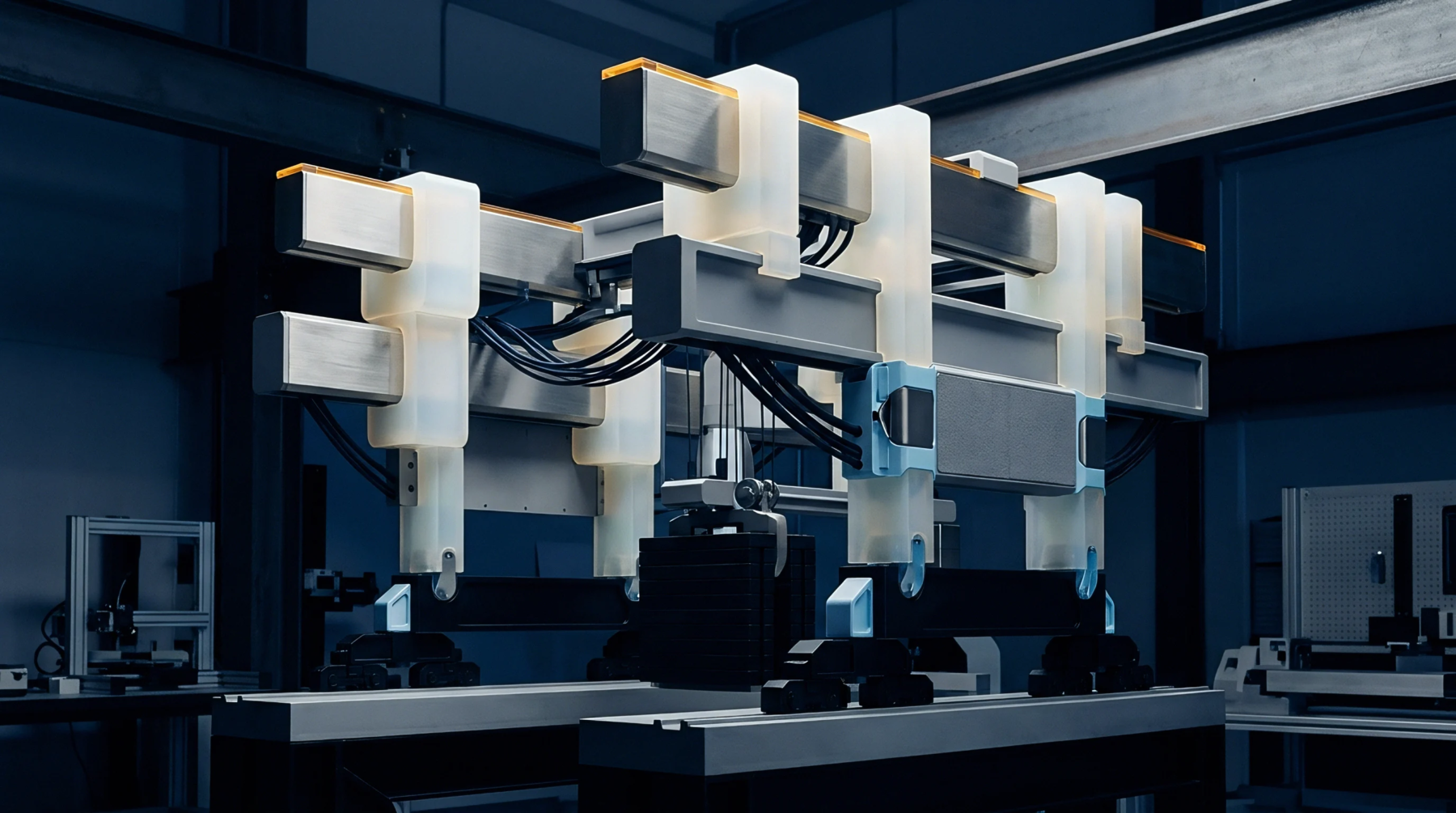
Thermal expansion differentials between ceramic device packages and FR4 substrates generate shear stresses across internal interconnects during operational temperature cycling. Engineers subject the assembly to rapid transitions between negative forty and positive eighty five degrees Celsius to expose solder fatigue vulnerabilities. Fixture mounting points must replicate the final chassis attachment geometry so that vibration testing does not mask resonant frequencies inherent to the board layout.
Electrical Integrity
High frequency signal traces experience dielectric loss and impedance mismatch when moisture penetrates substandard laminate materials during humidity conditioning. Automated test equipment measures insertion loss parameters across differential pairs while the unit sits inside an environmental chamber. Voltage drops across power distribution planes confirm that copper weight allocations meet current carrying capacity demands without excessive resistive heating.
Interface Tolerance
Clearance verification confirms that tall electrolytic capacitors and shielded connectors maintain safe physical margins beneath metallic enclosure walls under maximum deflection. Assembly drawings specify dimensional stacking limits so that incoming housing tolerances never interfere with board level solder fillets during final mechanical closure. Final acceptance depends entirely on whether the completed assembly sustains rated performance throughout the prescribed environmental test sequence.