Meaning
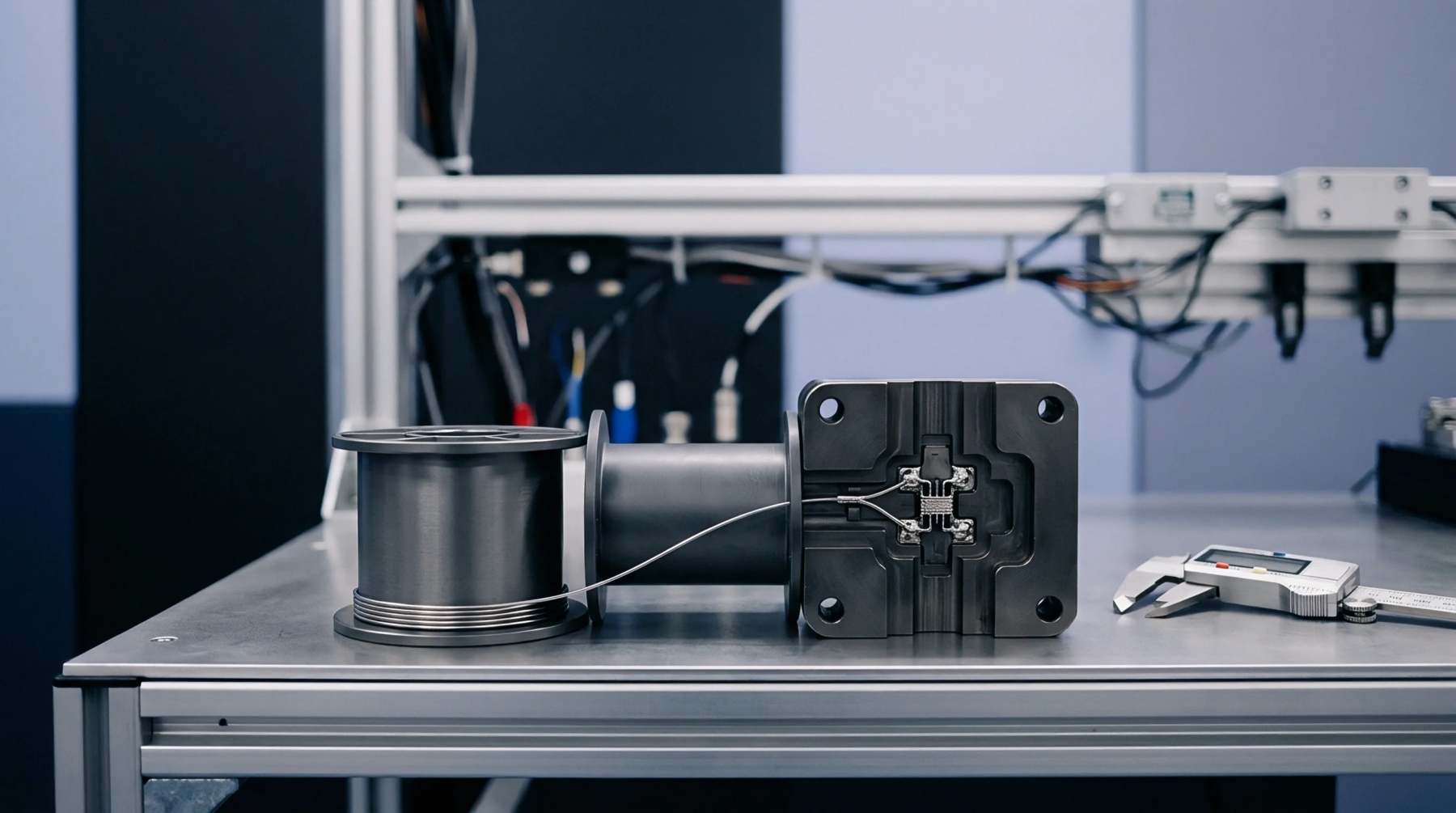
Machined recesses within an enclosure house module boards to establish physical registration and thermal contact. This localized boundary is the cavity pocket interface, which determines the allowable mechanical clearance and electromagnetic isolation of the integrated circuit. Practitioners measure the tolerances of this junction during initial housing inspections to prevent assembly stress.
Mechanical Fit
Clearance dimensions dictate whether a daughterboard sits without twisting during fasteners torque application. The cavity pocket interface requires sub-millimeter precision to prevent printed circuit board deflection and solder joint fatigue. When mating surfaces lack planarity, solder joints under stress experience micro-fractures during thermal cycling, which eventually results in electrical failure.
Housing designs specify these clearances carefully to accommodate variable board thicknesses.
Thermal Transfer
Heat dissipation relies on direct contact across the machined region to prevent component degradation. High-power transmitters and processors transfer energy to the outer chassis via thin gap pads. Ensuring uniform pressure across this thermal boundary limits the operating temperature of the junction.
Acceptance Criterion
Inspection reports verify that machined depths match design files before boards are mounted. Metrology departments use coordinate measuring machines to trace surface finish profiles across twenty points. Flatness deviations must remain below the specified limits to guarantee a dry-fit pass.