
Evaluating Class II Permissive Change Eligibility across Multi-Vendor Radio Modules
Multi-vendor radio module substitutions qualify for Class II Permissive Changes only when pin alignment, output power, and radiated emissions match baseline testing.
Multi-vendor radio module substitutions qualify for Class II Permissive Changes only when pin alignment, output power, and radiated emissions match baseline testing.

SRRC approval for dual-band radios demands locked firmware power tables, local agent coordination, and strict host radiated spur compliance to avoid re-test delays.

Technical module switching costs combine PCB re-layout fees, firmware driver abstraction labor, regulatory re-testing, and factory test jig updates.
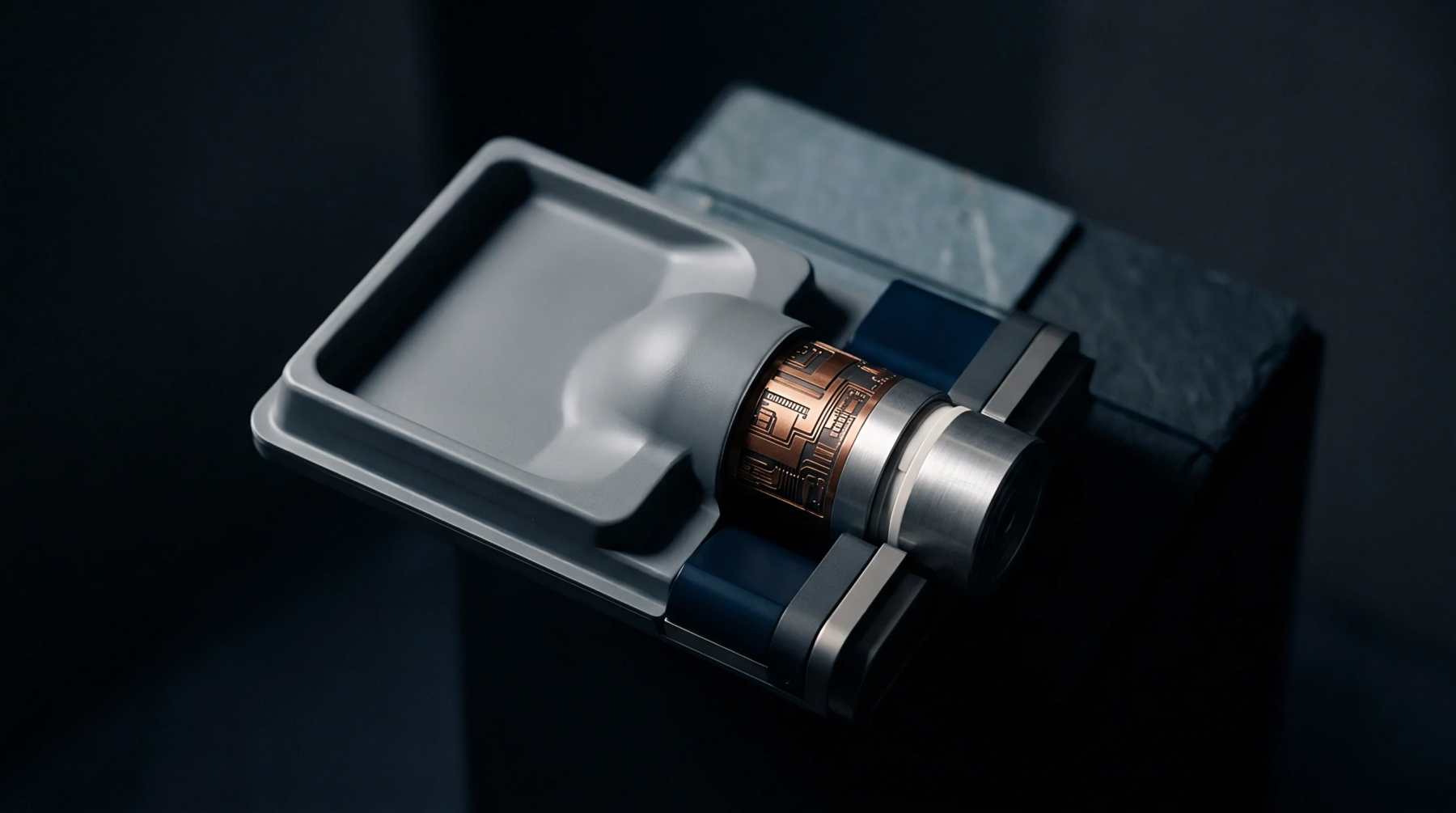
Modular approvals shorten filing lead times when host layouts preserve trace geometry, enforce shielding limits, and observe strict permissive change boundaries.
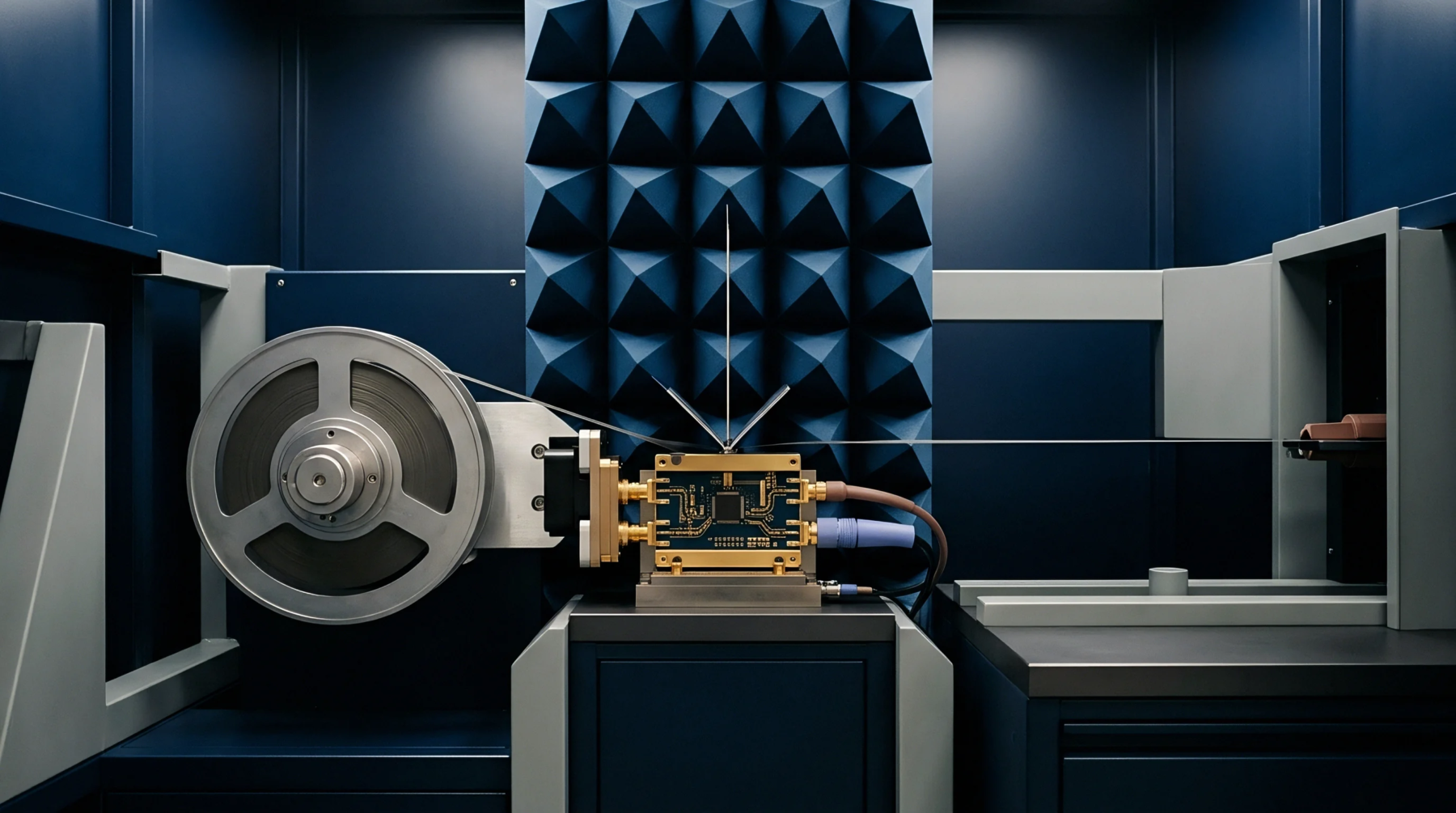
Carrier acceptance testing costs can increase unit landed expenses significantly if antenna integration failures force laboratory re-test cycles.

Host proximity near unlicensed module antennas degrades total efficiency and shifts harmonics over emissions thresholds requiring re-certification.
Expertise is a utility, not a secret. sentiention™ publishes its working knowledge as open reference: intelligence layer covering the materials it sources, the markets it enters, and the reference that serves both.