Meaning
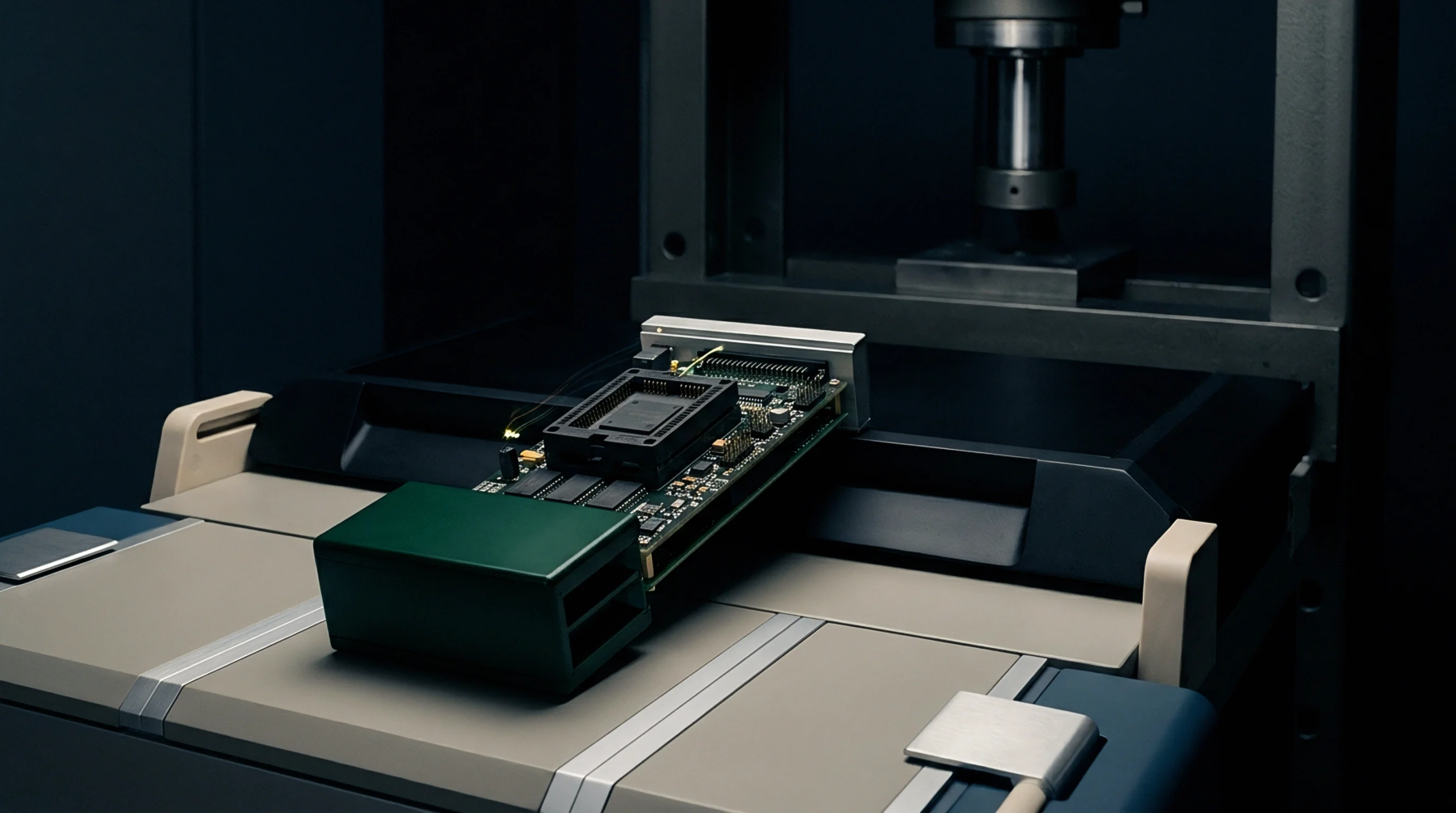
Mechanical force required to establish a reliable electrical connection between two terminals. The contact load must be high enough to penetrate surface films but low enough to avoid mechanical damage. This value is measured in grams or newtons depending on the scale of the interconnect.
Deformation Mode
Pressure at the junction causes the metal to change shape. Initially, the contact load creates elastic deformation where the material would return to its original form if the force was removed. At higher levels, the metal enters a plastic state where the shape change becomes permanent.
This permanent change helps to create a larger stable area for current to flow. Calculations for this transition depend on the yield strength of the plating material.
Film Penetration
Surface oxides act as insulators that block low voltage signals. A sufficient contact load provides the mechanical energy to break through these brittle layers. Once the layer is breached, the underlying clean metal makes a metal to metal joint.
Service Life
Wear on the plating occurs every time the load is applied or removed. Excessively high forces strip away gold or tin coatings and expose the base copper to corrosion. Balancing the load extends the number of times a connector can be safely used.