Meaning
Documented quality verification procedures executed at the manufacturer’s facility ensure that a production run of modules meets the defined functional requirements before shipment. Conducting factory acceptance testing allows engineers to verify assembly accuracy and load firmware updates before the modules are packaged. This process acts as the primary quality gate that shields the downstream integrator from receiving defective hardware units.
Industrial Checkpoint
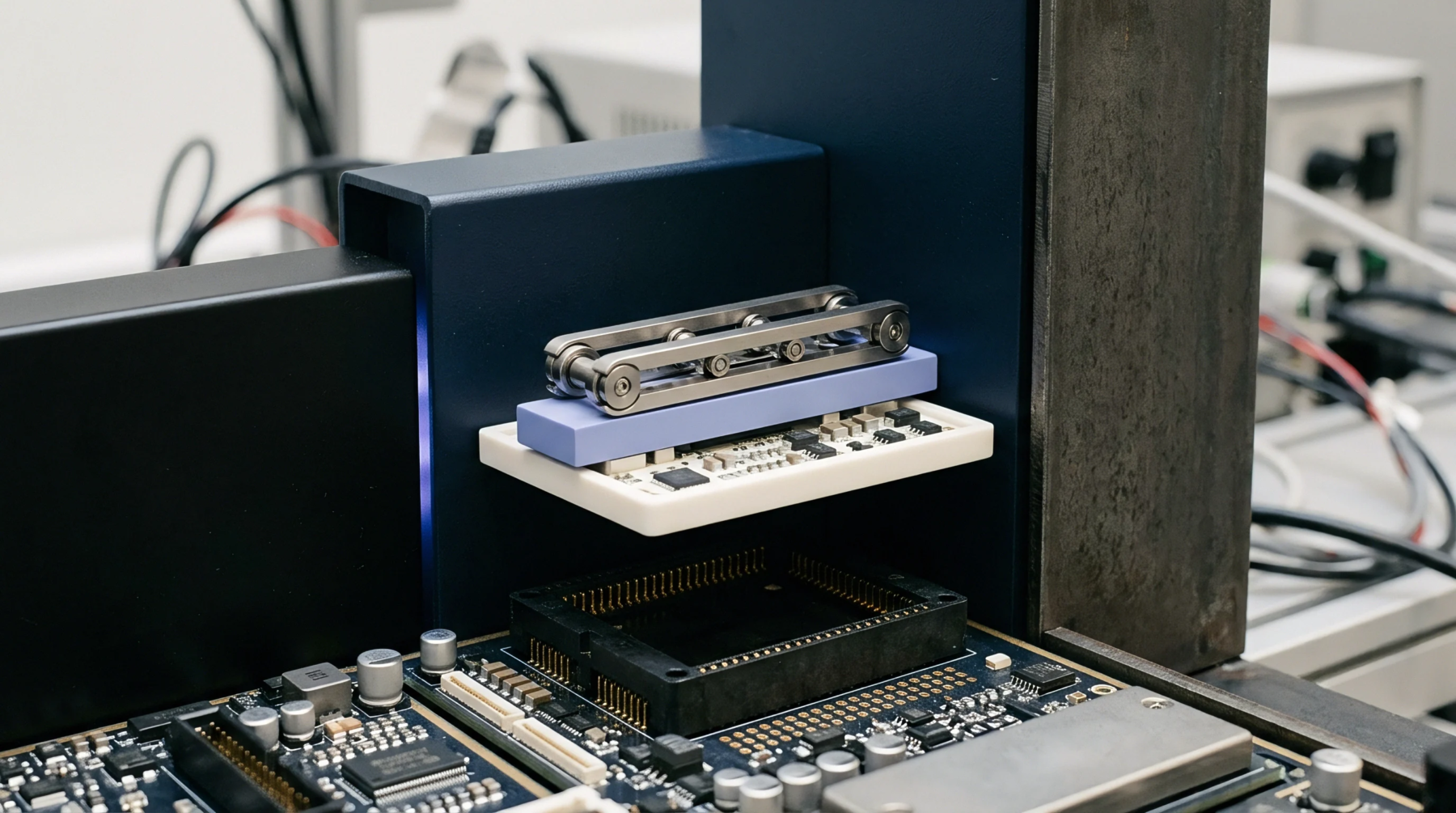
Factory procedures use automated test equipment to check the electrical and functional characteristics of every manufactured board. The test fixtures apply specific voltages and measure current draw to detect assembly faults. Boards that fail these tests are flagged and routed to the rework area.
Defect Isolation
Prompt identification of faults prevents defective assemblies from leaving the assembly floor. When a soldering defect or misplaced passive component is detected early, the correction cost is minimal. In contrast, discovering a hardware defect after field deployment incurs extreme shipping and replacement expenses.
Vendor Release
Formal approval of the batch occurs when the testing log files show a yield rate that exceeds the contractually specified target. The customer receives these logs alongside the shipment manifests as proof of verification. This documentation must be filed in the compliance database to support future hardware audits and trace assembly history, thereby providing a clear paper trail of the production status of each batch before shipping commences.