Meaning
A specific section of the United States telecommunications regulations establishes the technical and testing rules for unlicensed intentional transmitters. Adhering to fcc part 15 c ensures that low-power wireless modules do not cause harmful interference to authorized radio services. Certification must be completed before a device is offered for sale.
Compliance Requirement
Limits are placed on the maximum peak output power and the conducted emissions of the transmitter. Compliance with fcc part 15 c is verified by measuring both the fundamental emission and spurious harmonics. These bounds prevent interference with cellular and emergency bands.
Test Method
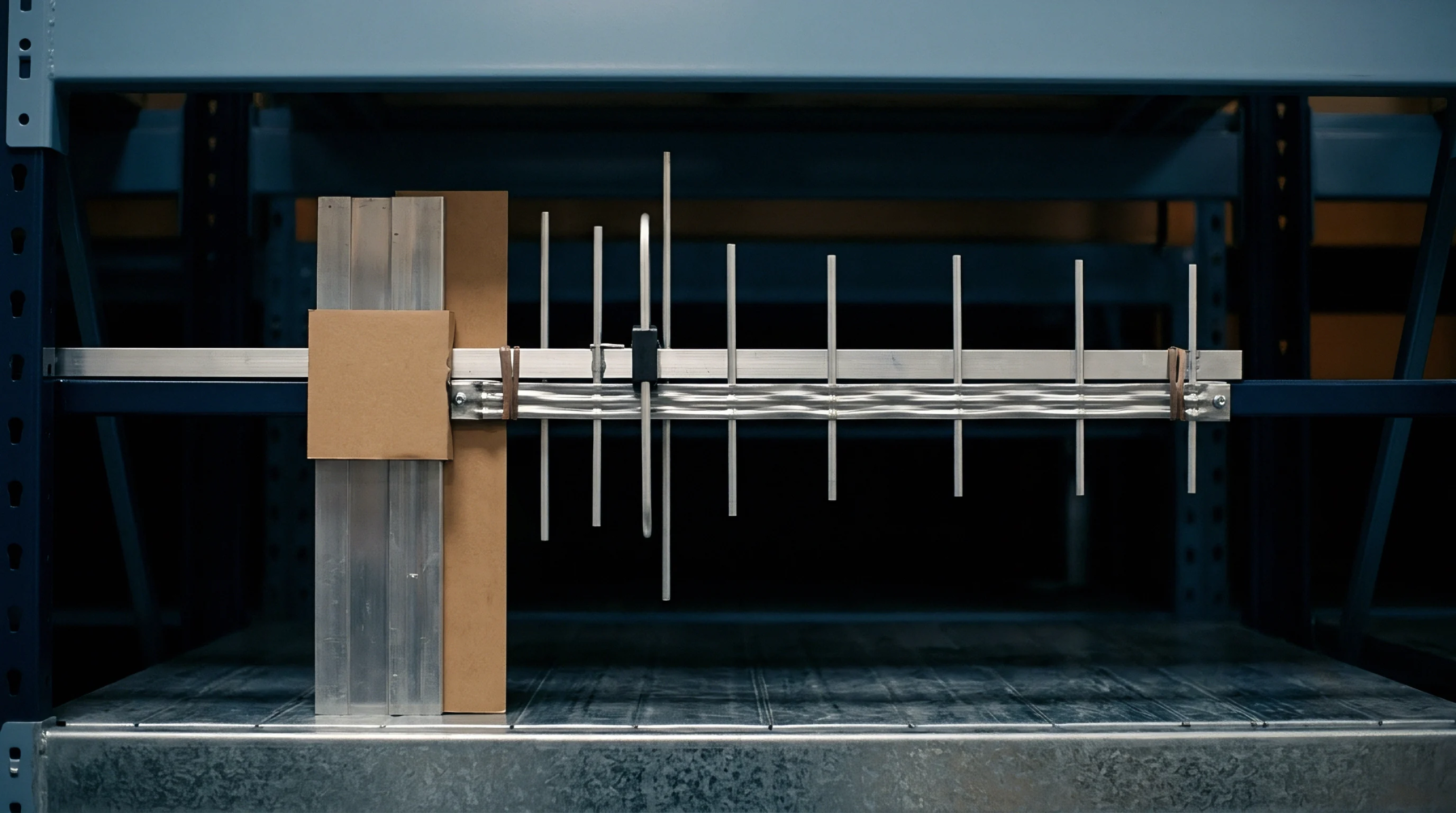
Radiation measurements are conducted within an anechoic chamber using calibrated antennas to capture emissions across all axes. Testing under fcc part 15 c requires scanning up to the tenth harmonic of the highest operating frequency. Lab results must be submitted through a telecommunications certification body to obtain the necessary grant.
This verification prevents costly market recalls and guarantees coexistence in crowded frequency bands.
Industrial Execution
Industrial teams select pre-certified modules to shorten the system development timeline. If the antenna configuration is altered, a new evaluation of fcc part 15 c becomes necessary to maintain compliance. Integrators rely on these reports to secure regional market access.