
Managing Class II Permissive Changes for Multi-Transmitter Industrial Equipment
Class II Permissive Changes resolve multi-transmitter collocation by assessing composite radiated spurious emissions and aggregate RF exposure ratios before sale.
Class II Permissive Changes resolve multi-transmitter collocation by assessing composite radiated spurious emissions and aggregate RF exposure ratios before sale.

Encapsulating a certified antenna assembly alters dielectric loading, requiring radiated emission re-testing to classify global regulatory change thresholds.

Co-locating dual unlicensed modular transmitters requires Class II Permissive Change filings when simultaneous emissions create new spurious or SAR exposures.
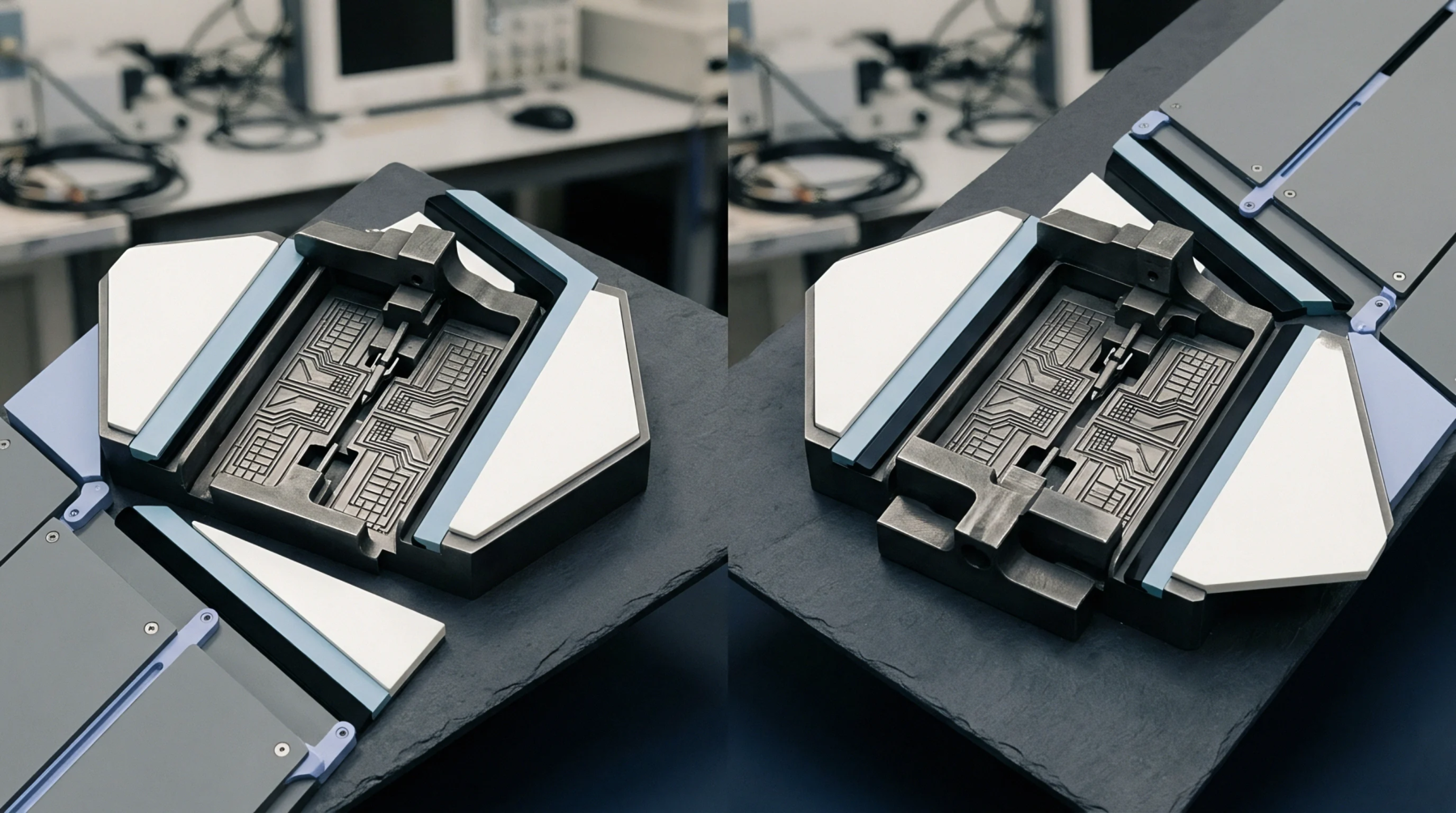
Firmware updates modifying transmitter power, duty cycle, or spurious emissions demand a Class II Permissive Change filing before deployment.
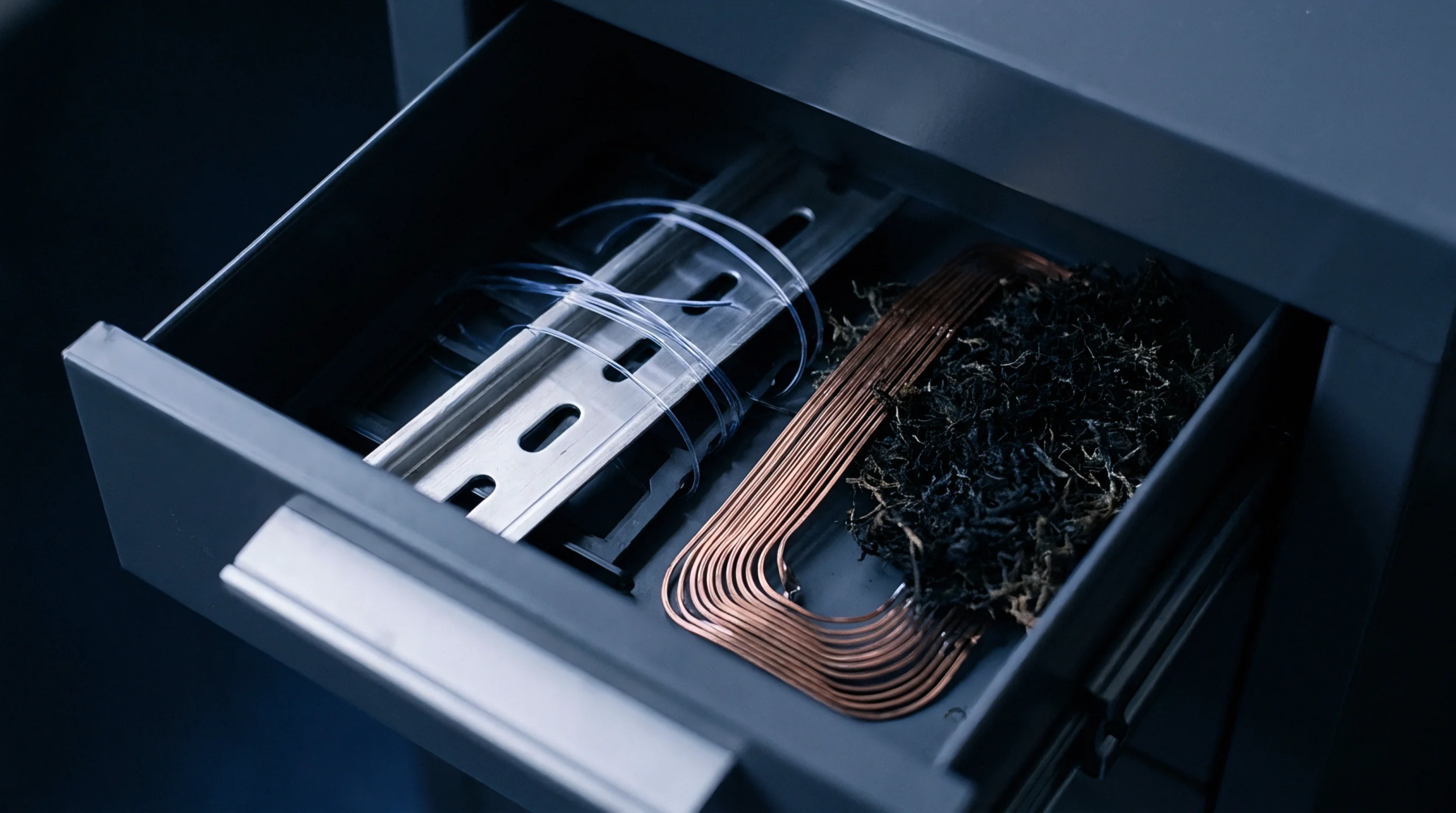
Laminate swaps in 77 GHz radar change EIRP and pattern directivity, requiring Class II permissive filings if power rises or spurious emission profiles degrade.

Firmware flashing in-country fails to shift customs country of origin for assembled hardware, requiring foreign origin declarations while enabling non-dutiable software deductions.
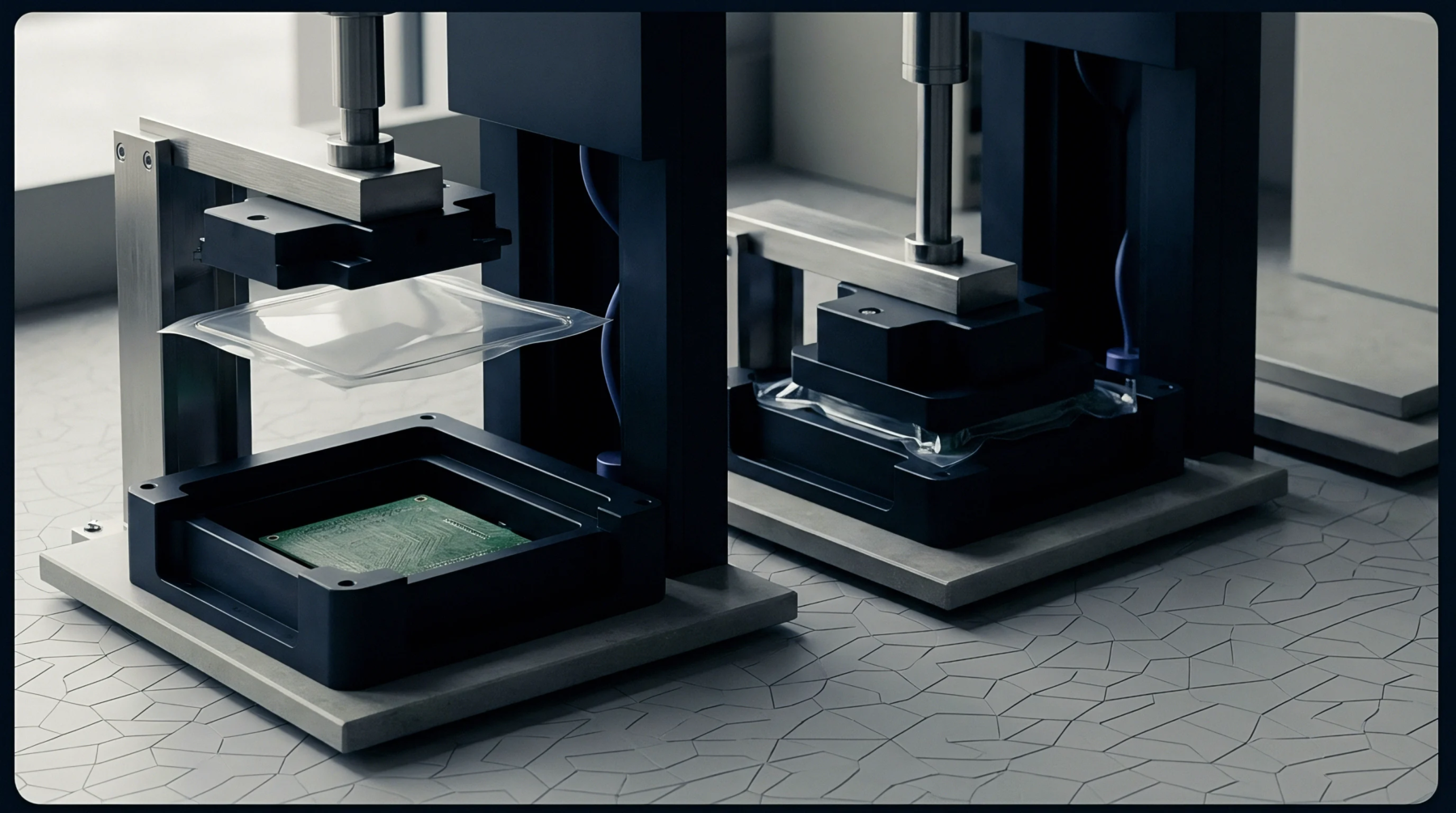
Substituted host antennas qualify for Class II Permissive Changes only when peak gain stays below certified limits and radiative physical structure remains identical.

Collocated industrial transmitters trigger permissive change retesting when radiated intermodulation or combined RF exposure exceeds standalone grant limits.
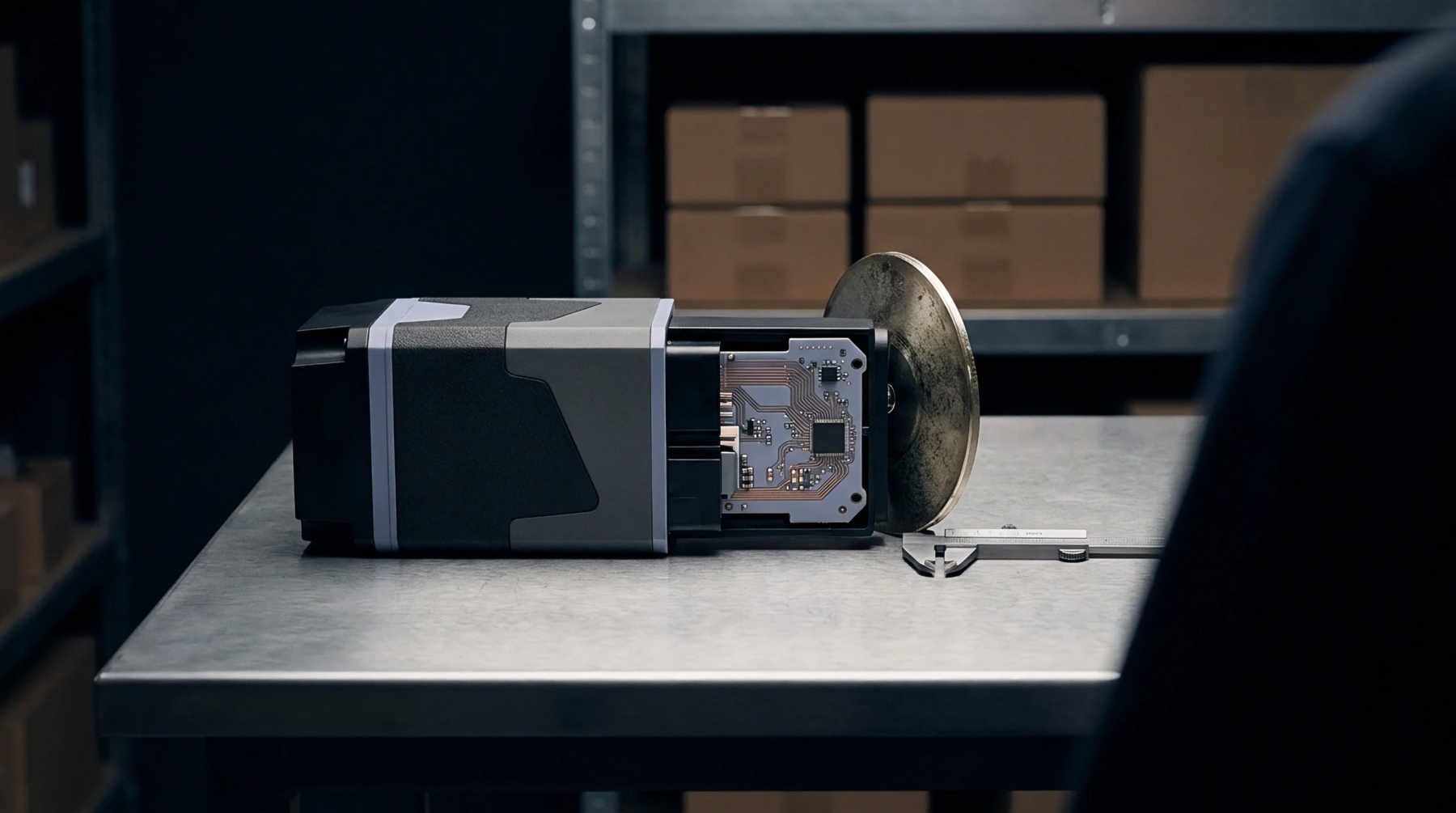
Silicon stepping updates demand dynamic register revision checks, thermal corner parametric verification, and permissive change audits before volume cutover.

FCC modular class changes require Class I audit logs for minor zero-increase emissions shifts and Class II filings for higher gain, host SAR, or altered spurious profiles.
Expertise is a utility, not a secret. sentiention™ publishes its working knowledge as open reference: intelligence layer covering the materials it sources, the markets it enters, and the reference that serves both.