Meaning
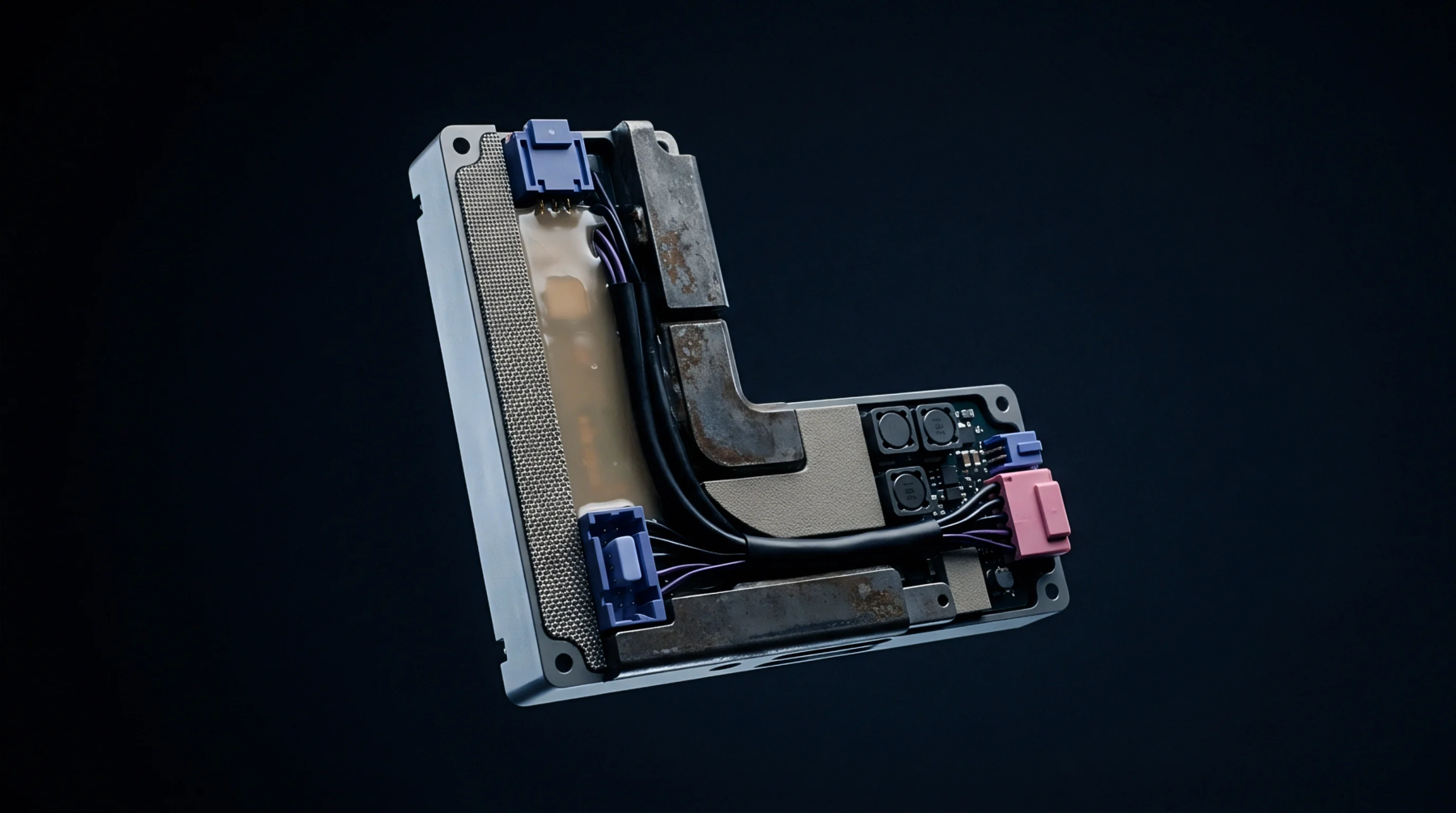
Design constraints specify the electrical and physical requirements for mounting a radio module onto a main application board. These host integration rules prevent signal degradation and ensure that the final product meets regulatory requirements. They govern the placement of antennas, the routing of traces and the provision of power.
Thermal Management
Heat dissipation paths must be planned to keep the radio components within their safe operating temperature range. Strict host integration rules often dictate the size of the copper pours or the use of thermal pads to move heat away from the module.
Electrical Requirements
Signal connections between the radio and the main processor must follow specific voltage levels and timing requirements. Following the host integration rules for digital interfaces prevents data corruption and hardware damage during startup.
Signal Integrity
High frequency lines require careful layout to avoid noise and impedance mismatches. The host integration rules specify the clearance between the antenna feed and other noisy components like power converters or high speed memory busses. Designers use these guidelines to create a stable environment where the radio can transmit at full power without crashing the host software or failing radiated emission tests.
This planning includes the placement of antennas, the routing of traces, the provision of power and the selection of grounding points.