Binding Tariff Ruling Enforcement on Adaptive Cognitive Radio Assemblies Executing Autonomous Firmware Control
Customs classify cognitive radios by unconfigured hardware state while autonomous firmware adaptations trigger post-import tariff audits.
Customs classify cognitive radios by unconfigured hardware state while autonomous firmware adaptations trigger post-import tariff audits.

Matching multi-band radio modules under HS 8517.62 aligns RF test grants with commercial invoice lines to clear port customs without red-lading.

Transceiver subassembly tariff classification depends on physical board populating and loaded firmware under Harmonized System Rule 2a.

Software-activated radio modules face customs reclassification under GRI 2(a) and valuation additions under GATT Article 8 if dormant silicon contains functional RF front-ends.

Landed cost penalties in cellular deployments compound through regional certification surcharges, carrier profile fees, tariff codes and roaming airtime multipliers.

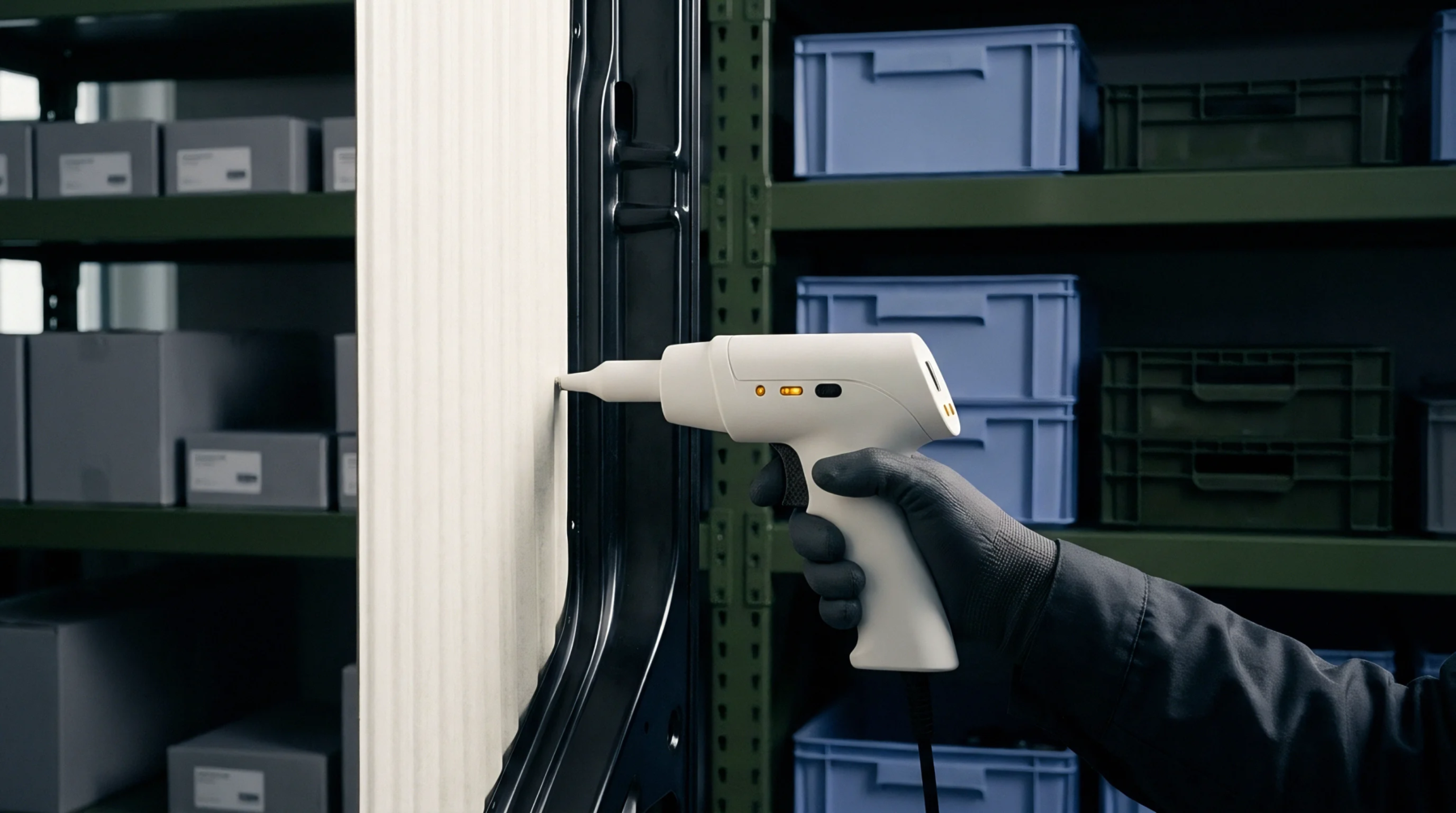
Automated port inspection of depleted imports relies on external capacitive energization to verify radio firmware without unsealing protective customs packaging.

Customs valuation of radio modules excludes embedded firmware value when software licensing is contractually unbundled and invoiced on separate line items.
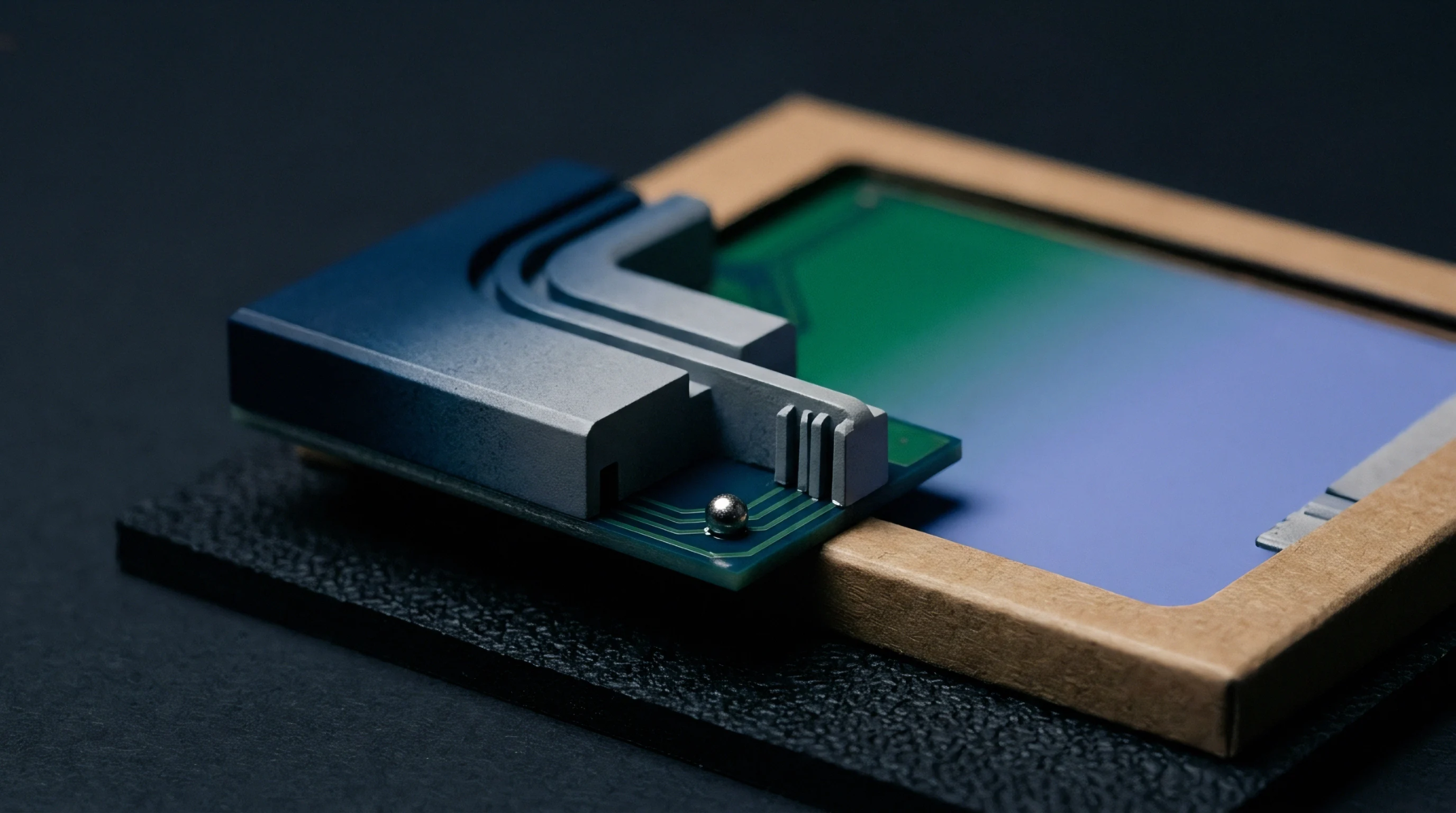
Align embedded radio hardware architecture with advance customs advance rulings to prevent costly port holds and duty adjustments under Harmonized System rules.
Expertise is a utility, not a secret. sentiention™ publishes its working knowledge as open reference: intelligence layer covering the materials it sources, the markets it enters, and the reference that serves both.