
Technical Escrow Verification Methods for Embedded Hardware Designs
Hardware escrow demands full toolchain replication, bare-board netlist verification, and functional test fixture audit to guarantee manufacturing survivability.
Hardware escrow demands full toolchain replication, bare-board netlist verification, and functional test fixture audit to guarantee manufacturing survivability.
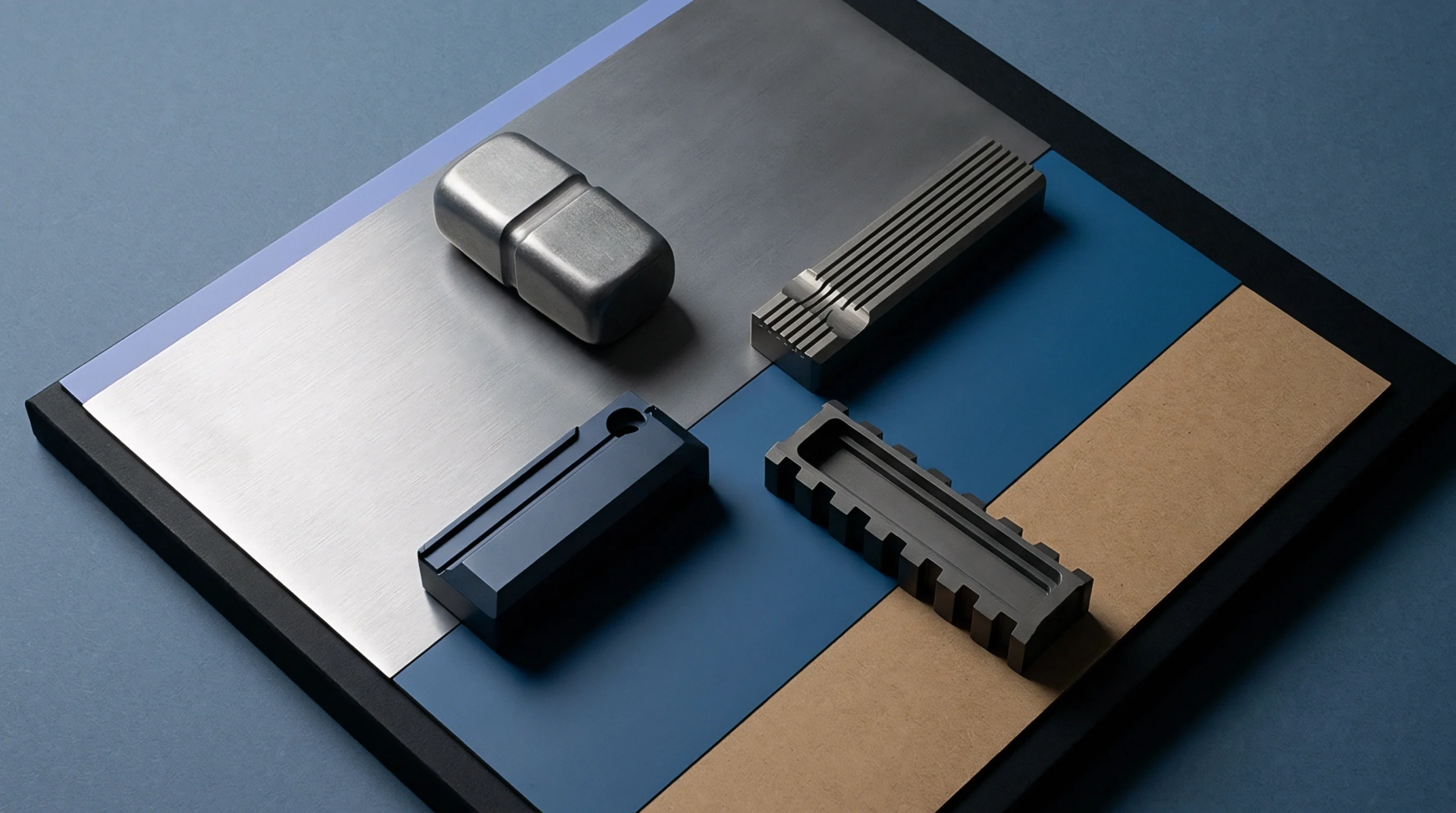
Extracting netlists directly from manufacturing Gerber files and cross-checking them against schematic IPC data prevents silent hardware translation failures.
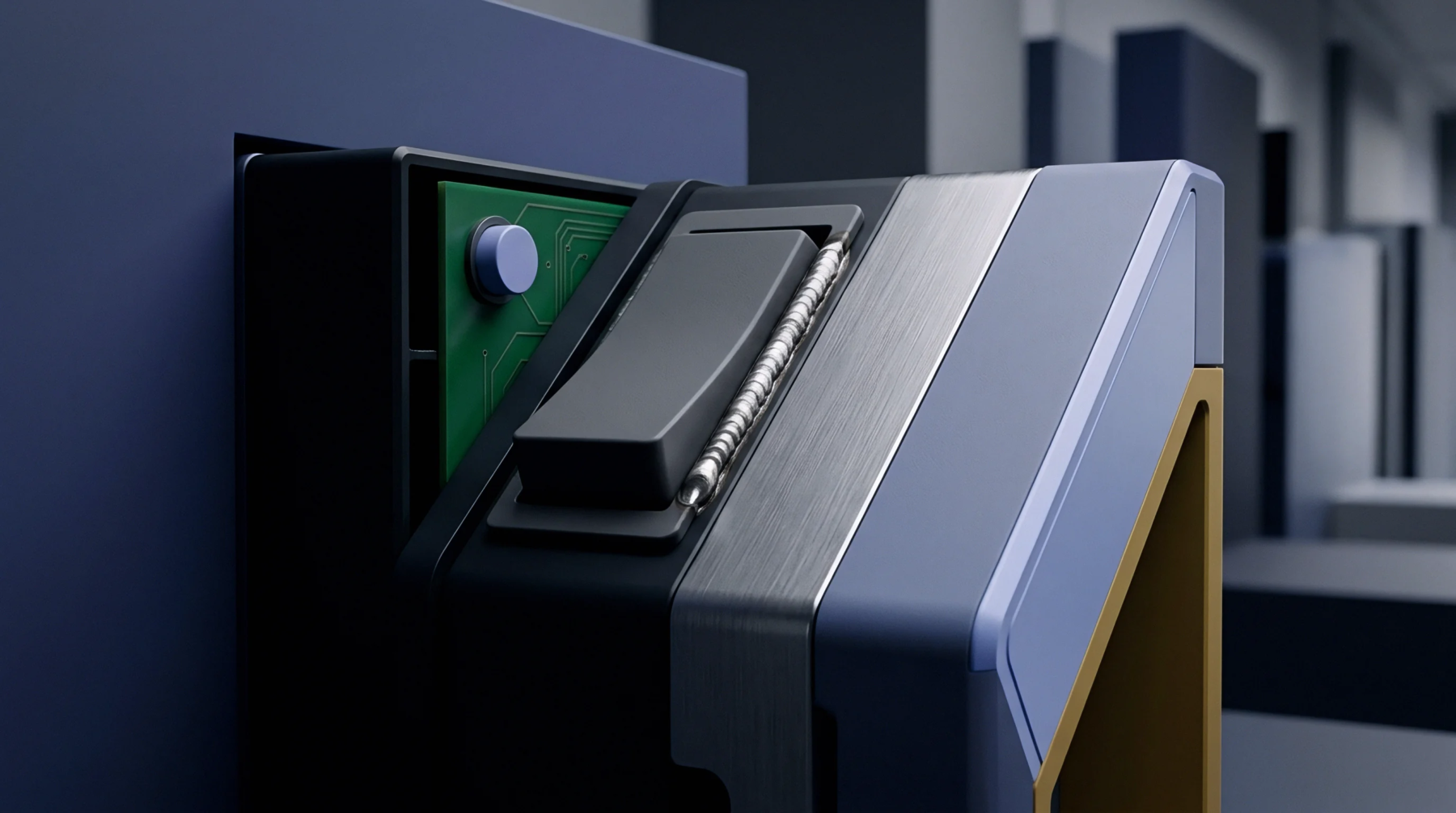
Neutral file transfers in high-frequency board designs require IPC-2581 or ODB++ schemas to retain stackup, arc geometry, and netlist integrity.
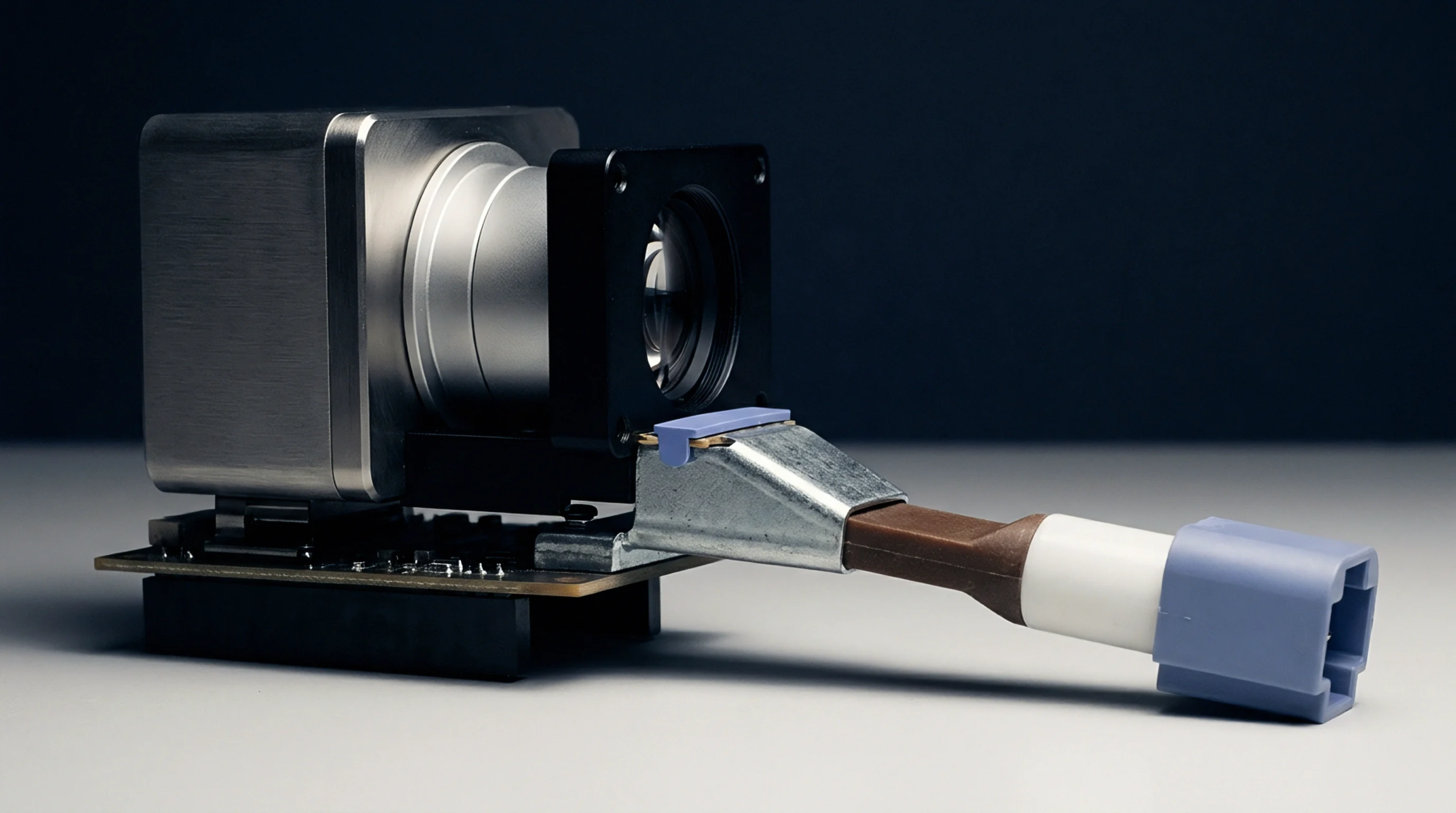
Gerber netlist verification requires 100% IPC-D-356 parity against graphical artwork and signed EQ closure before NRE tooling disbursements unlock.

Asset valuation baselines for electronics design transfers require native ECAD databases, uncompiled firmware source trees, and audited factory test tooling.
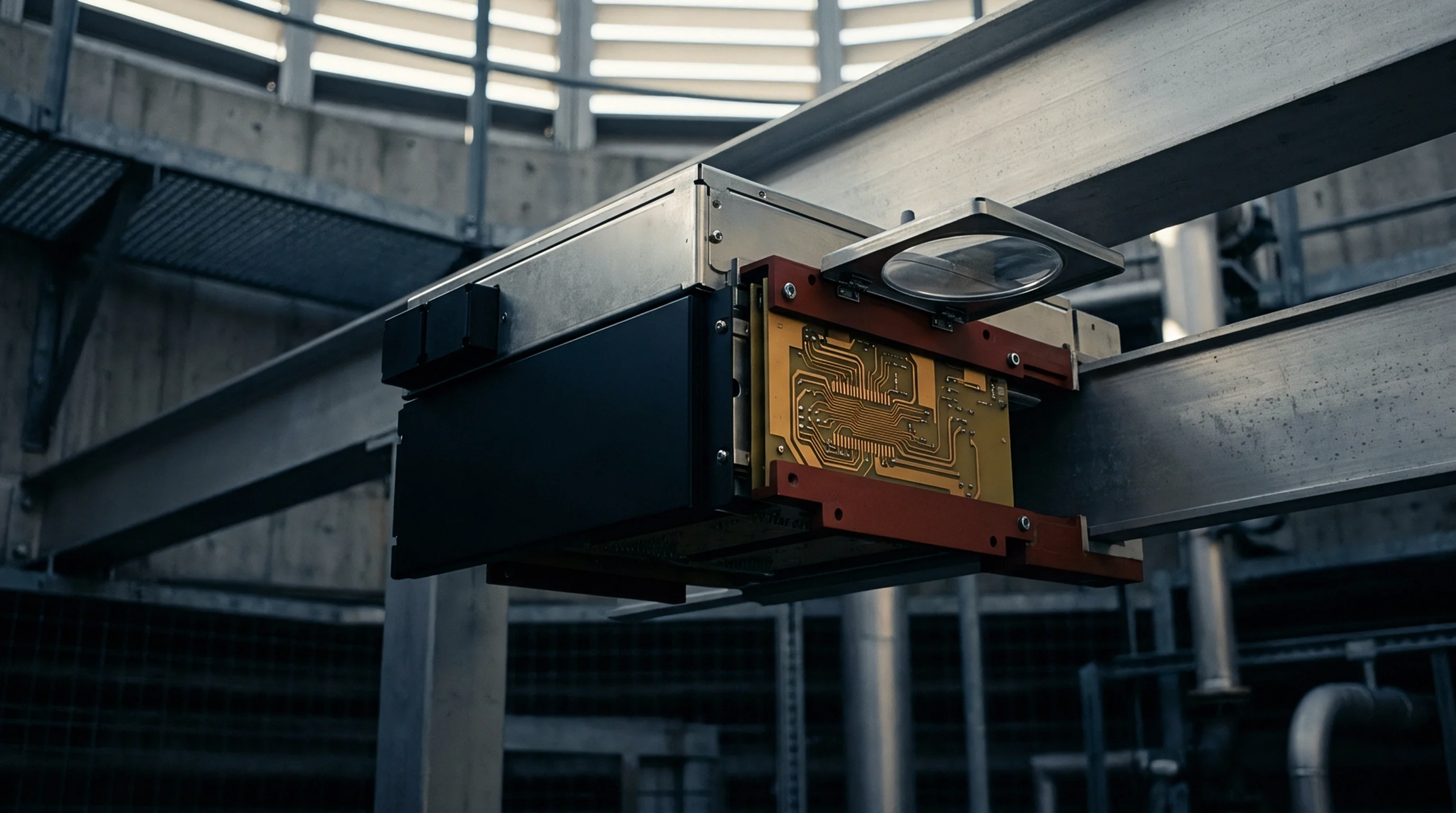
Transfer circuit files using IPC-2581 or Gerber X2 with IPC-D-356 netlists to ensure automated CAD validation and prevent assembly errors.

Validating factory fabrication packages for multi-sourced wireless modules requires IPC-2581 layer mapping, netlist verification, and RF calibration parity.
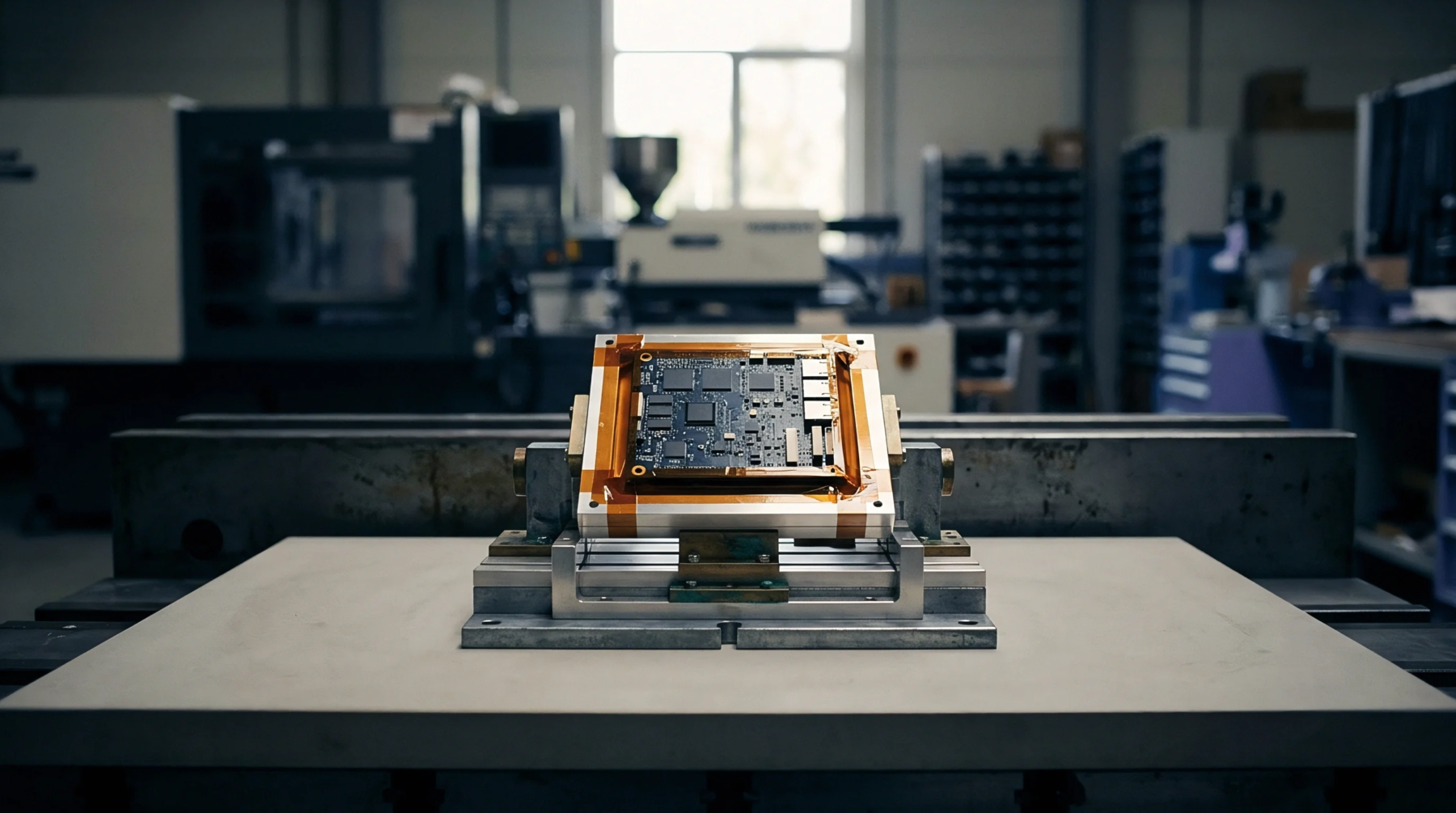
Engineering transfer demands native CAD files, containerized firmware source trees, buyer-owned tooling, and explicit IP assignment clauses before NRE sign-off.
Expertise is a utility, not a secret. sentiention™ publishes its working knowledge as open reference: intelligence layer covering the materials it sources, the markets it enters, and the reference that serves both.