Meaning
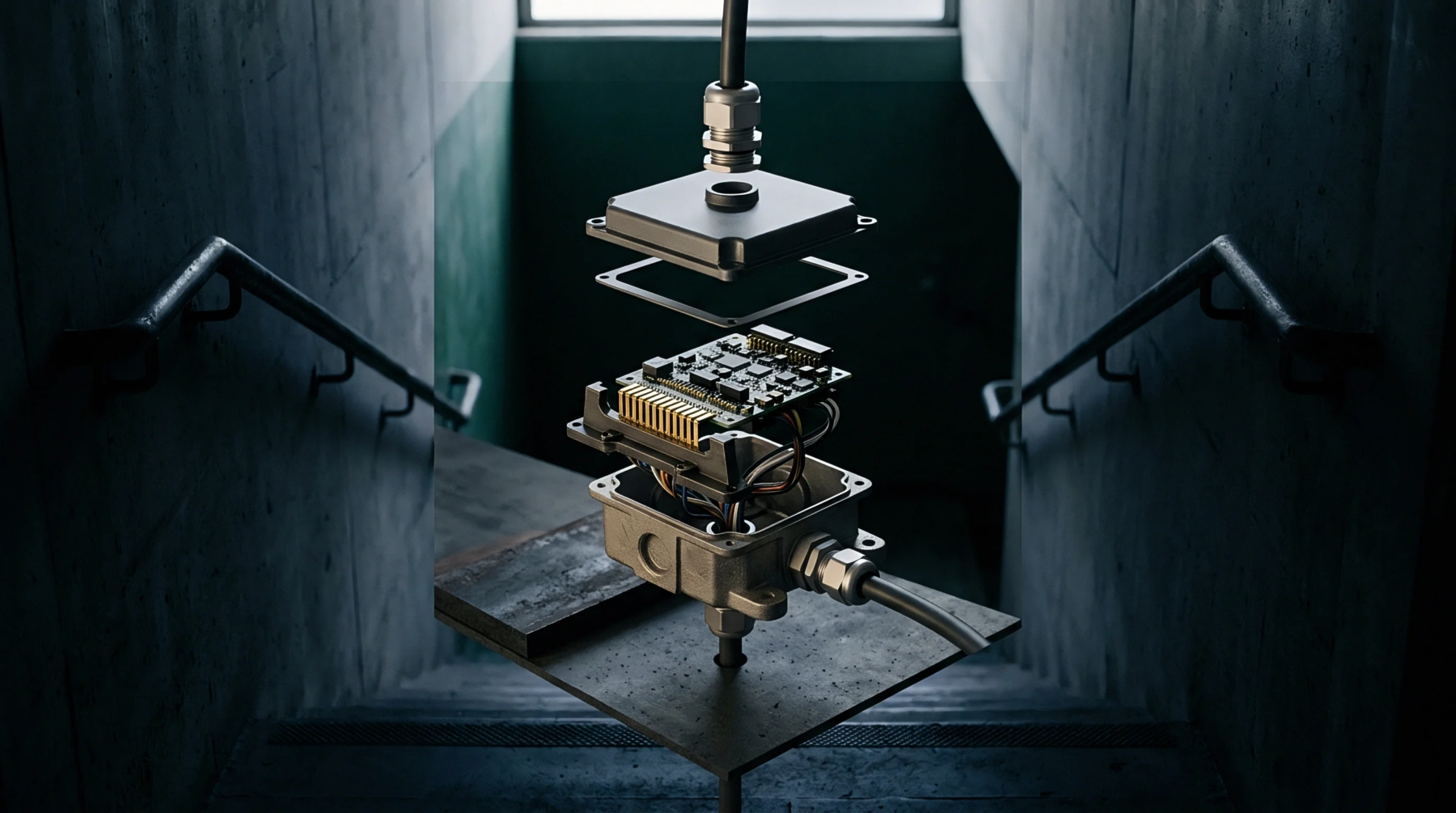
Industrial encapsulation techniques isolate fragile electronic assemblies from moisture and mechanical stress through the controlled application of molten polymers. Using low pressure overmolding involves injecting adhesive polyamide or polyurethane materials into a mold cavity at pressures far below those of standard injection molding. This gentle process prevents damage to sensitive surface-mount components and solder joints while creating a sealed, durable protective housing.
Material Properties
Specialized resins used in this process exhibit low viscosity when heated, allowing them to flow easily around complex component shapes. Because low pressure overmolding operates at lower temperatures and pressures, it eliminates the need for rigid metal enclosures. The resulting layer provides excellent electrical insulation and high resistance to thermal shock.
Process Control
Precise temperature management ensures that the adhesive material melts fully and fills the mold without causing thermal degradation to the underlying circuitry. In a typical production cycle, the system monitors injection pressure to prevent delamination of the substrate. This control cycle keeps the mechanical pressure low enough to protect delicate bond wires while ensuring complete encapsulation of the circuit board.
Application Area
Connectivity modules designed for outdoor or automotive environments rely on this technique to prevent water ingress through cable entry points. The protective layer formed by low pressure overmolding bonds directly to both the cable jacket and the circuit board substrate, creating a reliable hermetic seal. Manufacturers use this method for smart sensors, medical connectors, industrial transmitters and exposed telemetry units that must withstand harsh operating conditions.
Implementing this process reduces assembly steps by combining the connector strain relief and the protective housing into a single manufacturing cycle.