Meaning
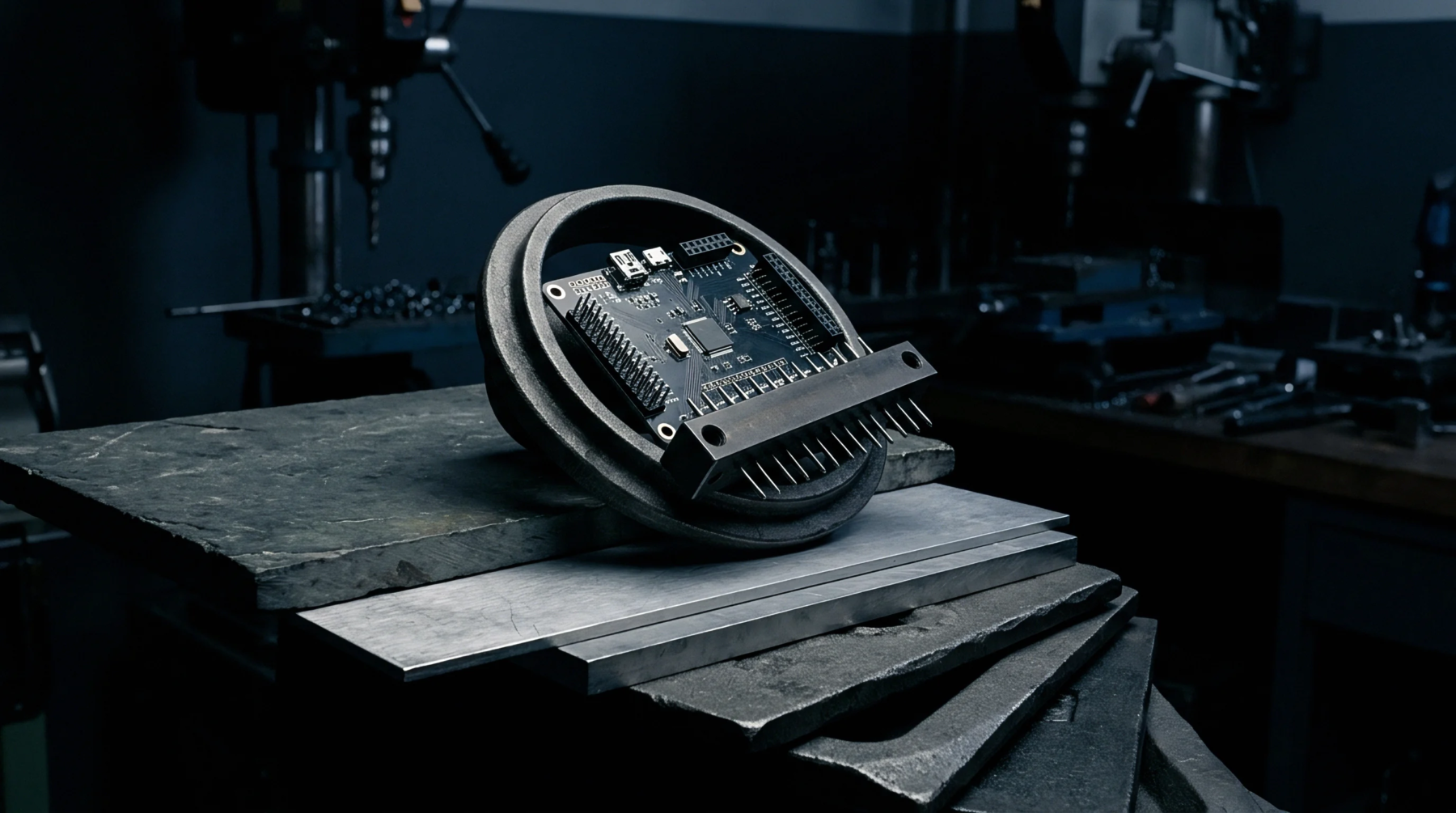
A contact interface morphology known as a micro-asperity tunneling barrier restricts electron flow across mating metallic surfaces through localized constriction resistance. Surface roughness features on stamped shield cans and die-cast housings prevent full microscopic contact, forcing electrical current through microscopic metallic contact spots while insulating voids contain trapped oxides or non-conductive contaminants. This localized constriction elevates contact resistance during high-frequency radio transmission, creating thermal hotspots within densely packed connectivity modules.
Mechanical Tolerance
Enclosure designers must account for this phenomenon by specifying clamp loads that deform high points on mating flanges without crushing delicate internal substrates. When stamped radio frequency shielding cans mate with printed circuit board ground rings, insufficient fastener torque leaves microscopic gaps that degrade electromagnetic compatibility performance. Production engineers establish minimum assembly pressure thresholds during factory qualification to flatten surface peaks, reducing contact resistance below the maximum allowable limit specified in the product safety dossier.
Thermal Budget
Interfacial constriction sites restrict conductive heat transfer between power amplifier boards and external heat sinks, producing localized temperature gradients across the printed circuit board assembly. Component reliability standards require suppliers to measure junction temperatures under maximum radio frequency output loads to verify that thermal dissipation paths remain unobstructed by microscopic gaps. Designers mitigate this effect by applying thermally conductive gap pads that fill surface irregularities, bridging the microscopic voids where dry air would otherwise impede heat flow.
Compliance Verification
Regulatory laboratories test finished enclosures for electromagnetic shielding effectiveness by subjecting the integrated assembly to radiated emission scans specified in certification standards. During production line auditing, technicians verify assembly torque consistency using calibrated drivers to ensure that every manufactured unit achieves the mechanical contact density established during the initial design validation phase. Compliance hinges on maintaining uniform clamping pressure across the peripheral ground plane, preventing degradation of radio frequency performance over the operational lifecycle of the connectivity module.