Meaning
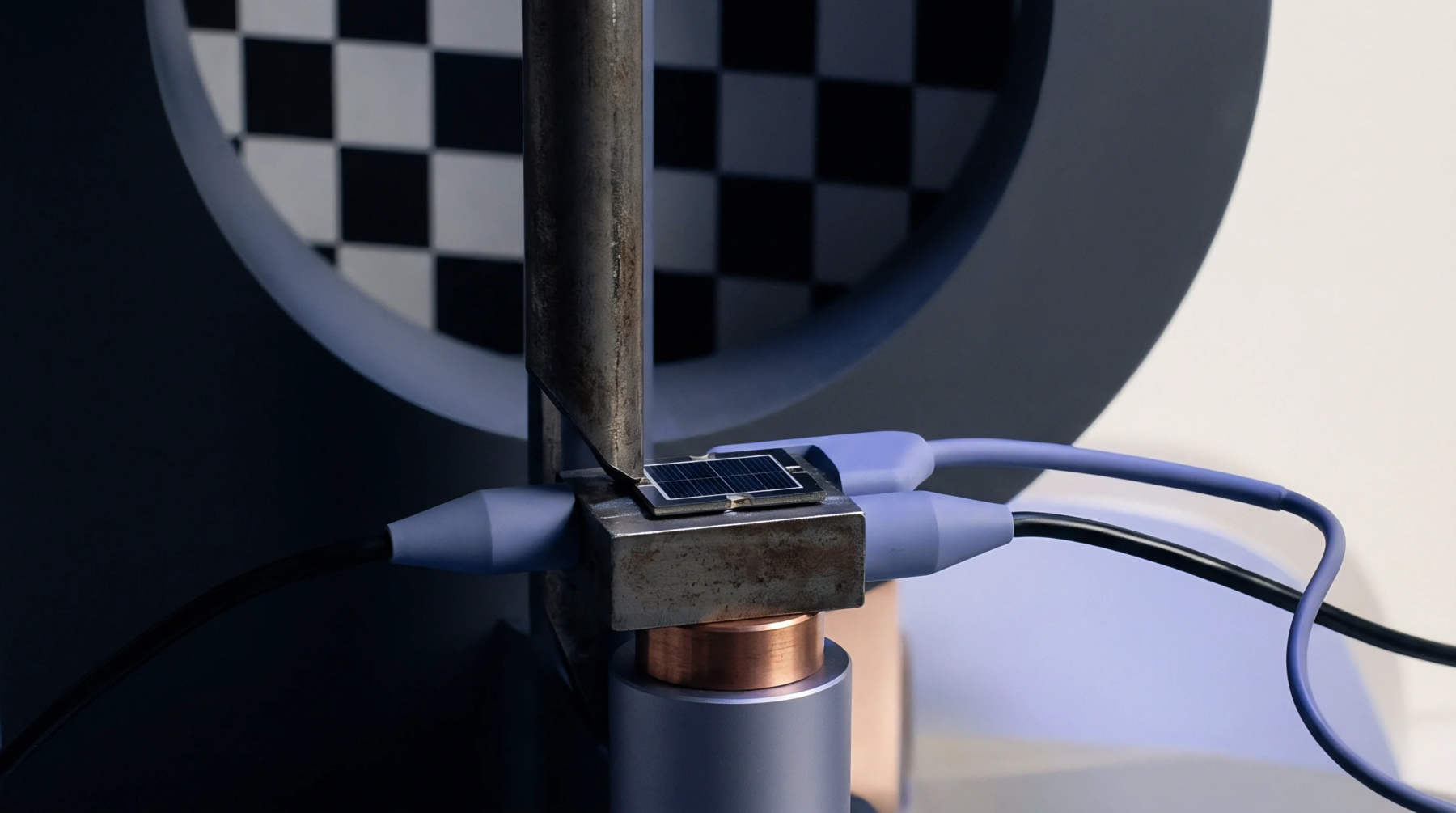
Small, repetitive movements between loaded electrical contacts lead to wear and chemical degradation of the contact surfaces. This damage process, known as micro-fretting corrosion, typically occurs in connectors exposed to thermal cycling or mechanical vibration. The friction rubs away the protective plating, exposing the base metal beneath to oxygen and creating non-conductive oxide debris.
Chemical Process
Exposed base metals like nickel or copper react with oxygen to form hard, highly resistive oxide layers at the contact spots. As micro-fretting corrosion continues, the accumulation of this oxide debris increases the electrical resistance across the terminal interface. This debris can eventually block the current path entirely, causing intermittent signal drops or complete connection failure.
System Impact
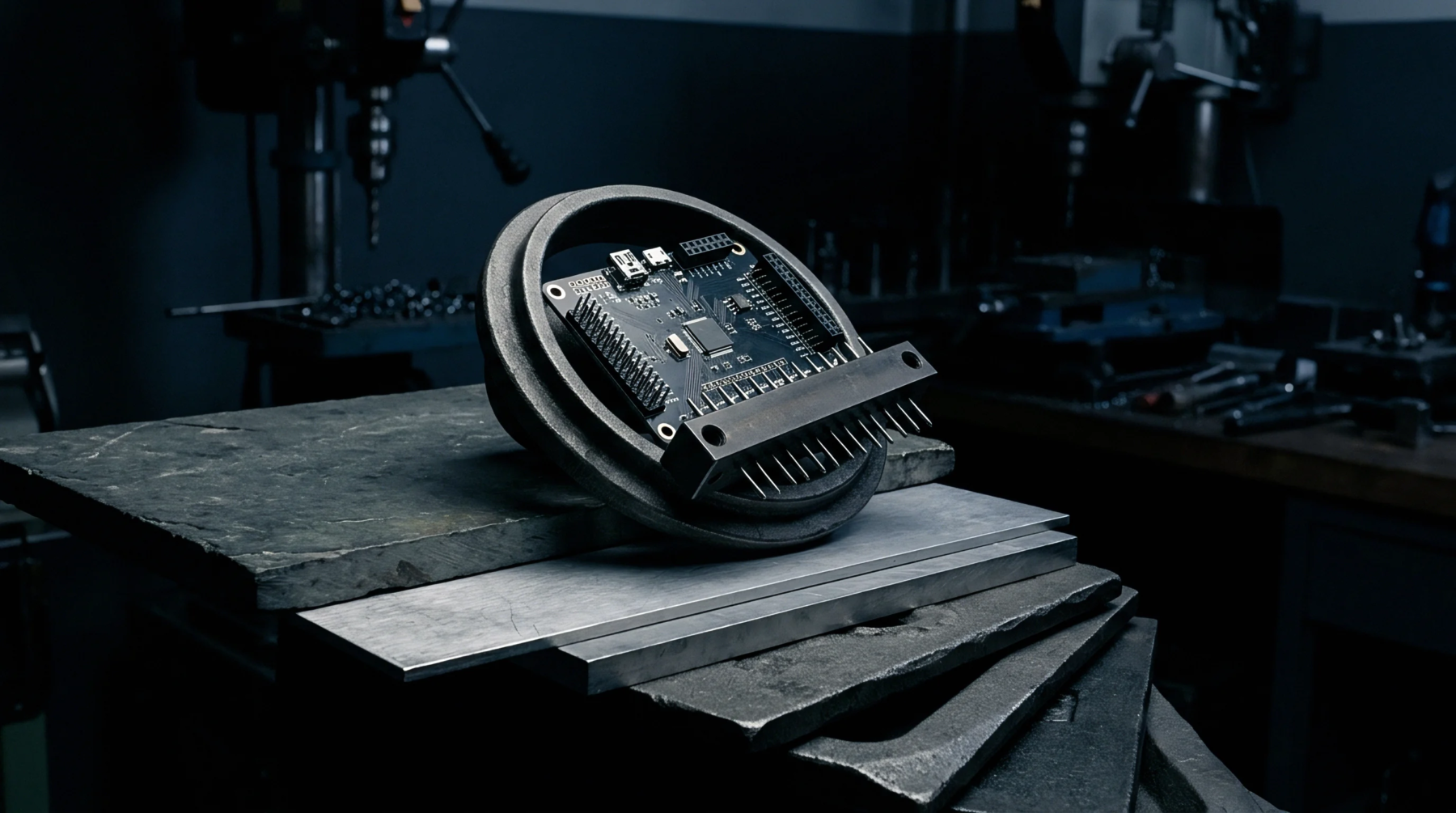
High-frequency digital lines and low-voltage sensor circuits are particularly vulnerable to these intermittent resistance changes. The fluctuating resistance distorts the signal shape and introduces noise, which causes data errors in communication modules. Regular monitoring of the contact voltage drop helps detect the early stages of this wear before it affects the overall system.
Material Solution
Engineers use lubricants or specialized metal coatings to minimize the friction and seal the contact area from oxygen. Gold-to-gold interfaces are highly resistant to this type of wear because gold does not oxidize under normal operating conditions.