Meaning
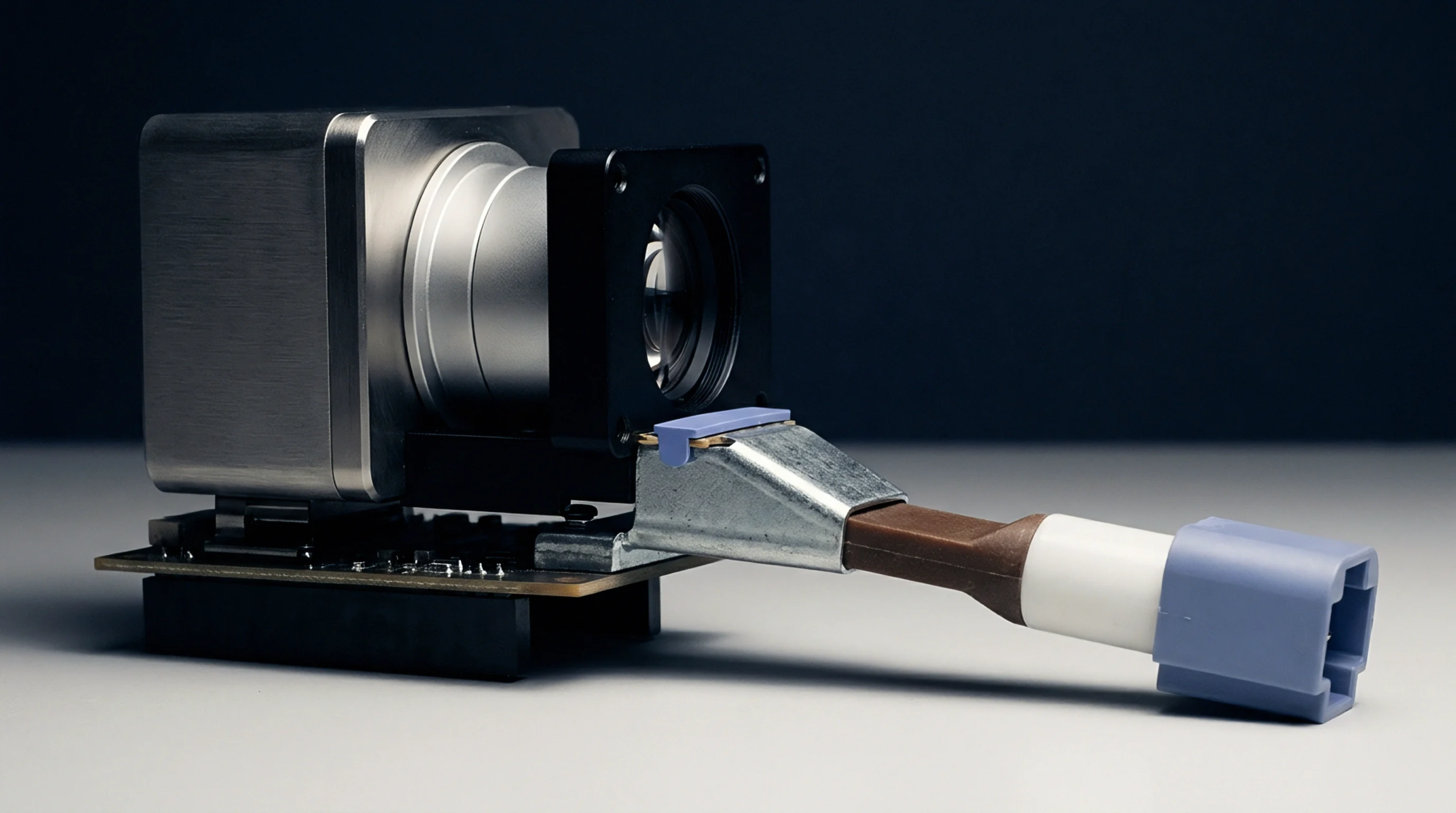
Precision mechanical positioning of optical components on a shared mounting plate ensures optimal signal propagation between emitters and detectors. The optical bench alignment procedure determines the geometric relationships of lenses, mirrors, and lasers to prevent signal degradation. In communication module manufacturing, this step dictates the coupling efficiency between semiconductor light sources and optical fibers.
Accurate alignment maximizes data throughput and prevents back-reflections that could damage transmitter components.
Assembly Tolerance
Sub-micron discrepancies in component placement lead to significant insertion loss in high-speed optical transceivers. Achieving the correct optical bench alignment requires automated active positioning systems that monitor real-time light output during the assembly process. This feedback loop ensures that the components are fixed in place at the position of maximum signal intensity.
Environmental Stability
Thermal expansion can shift the positions of delicate elements over the operating life of a smart device. Designing for stable optical bench alignment involves using low-expansion materials like invar or ceramics for the mounting structure. This choice keeps the optical path aligned across the entire operating temperature range of the assembly.
Verification Method
Post-assembly inspection verifies that the optical path meets design specifications under simulated operating stress. Testing the optical bench alignment involves measuring beam profile characteristics and spatial divergence using specialized cameras. These measurements confirm that the transceiver module will perform reliably after integration into a larger network infrastructure.