Meaning
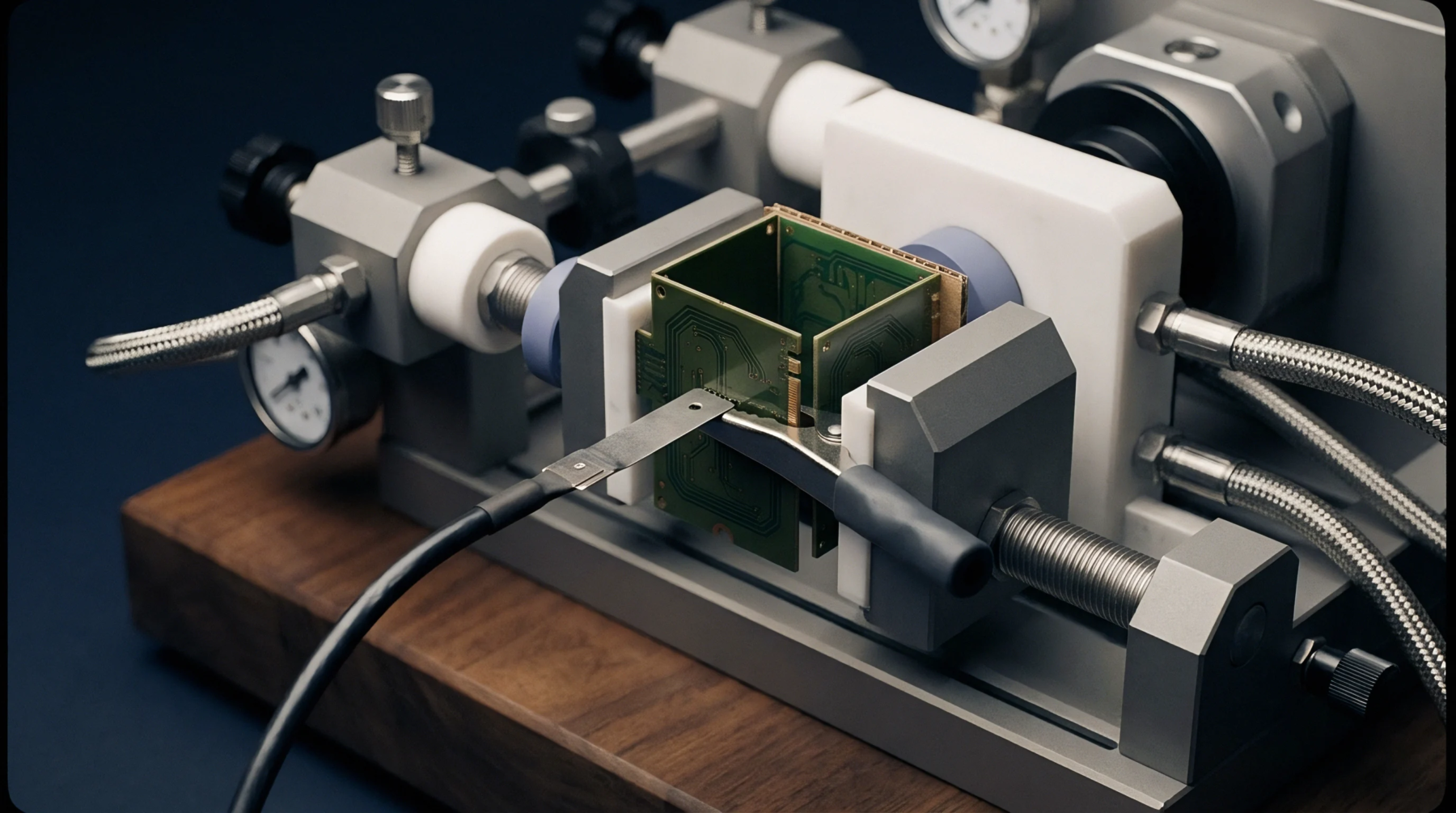
Degradation of the mating surfaces where two halves of a mold or enclosure tool meet. Constant clamping force and the high-pressure injection of plastic lead to parting line erosion over time. This wear creates a gap between the mold faces that was not present in the original design.
It is a common issue in high-volume production of ruggedized electronics housings.
Flash Development
Gaps caused by parting line erosion allow molten material to escape the cavity and form thin fins known as flash. This flash requires secondary manual labor to remove and can interfere with the mechanical fit of the assembly. Severe parting line erosion can make the final part unusable for waterproof applications.
Preventive Strategy
Proper mold alignment and regular cleaning reduce the speed of parting line erosion. Trapped debris or plastic residue acts as an abrasive that accelerates parting line erosion during every clamp cycle. Using harder steels for the mold base can provide a more resilient surface for the parting line.
Operators must ensure that the clamping pressure is high enough to prevent movement but not so high that it crushes the steel.
Repair Procedure
Restoring a tool damaged by parting line erosion often involves grinding the entire parting surface and re-cutting the cavities. This process is expensive and limits the number of times a tool can be refurbished. Early detection of parting line erosion through visual inspection and pressure monitoring saves money by allowing for simpler repairs.