Meaning
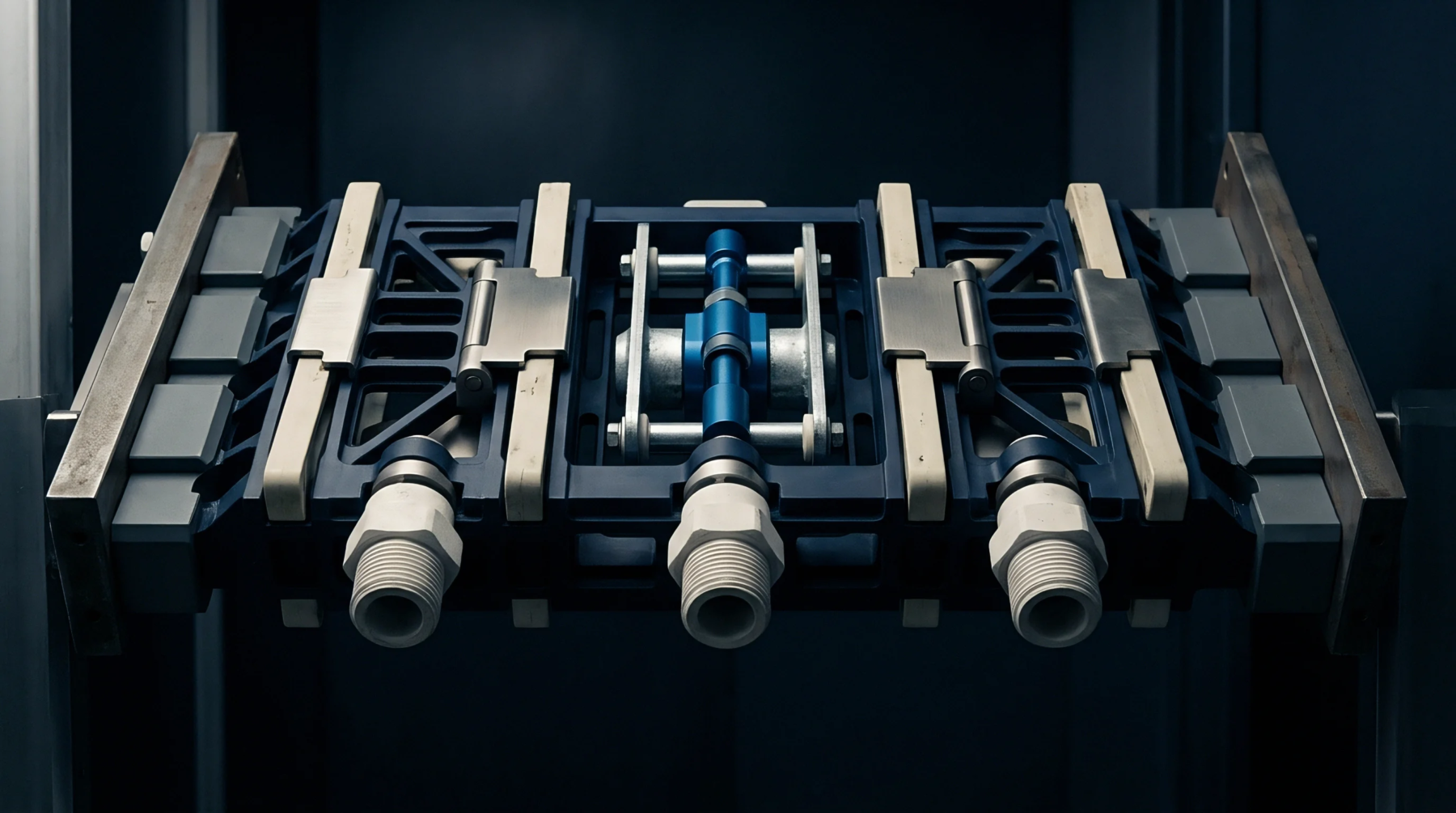
Mechanical force-application mechanisms integrated into automated semiconductor test sockets or handling equipment press integrated circuit packages securely against electrical contact elements. The plunger assembly transfers mechanical downward force from automated handlers directly onto the upper substrate or lid of a packaged microchip, compressing underlying pogo pins to establish reliable electrical contact. It governs mechanical stroke distance, spring tension uniformity, package leveling, and thermal interface pressure during device testing.
The boundary stops where electrical signal conduction begins within the underlying contactor pins, and does not apply to non-contact optical inspection stations or wafer-level probe needles.
Mechanical Actuation
Controlled downward travel relies on precisely machined guide shafts, internal compression springs, and custom-machined pusher blocks. When an automated handler arm positions a device, the plunger assembly descends along linear bearings to apply calculated force across the package body, avoiding localized stress concentrations that fracture thin silicon dies or plastic encapsulants. The assembly must maintain parallel alignment to within tight micrometer tolerances, preventing uneven contact resistance across wide ball grid arrays.
Internal stop margins limit maximum physical travel, shielding delicate socket probe heads from catastrophic over-compression damage during automated cycles.
Thermal Coupling
Dissipating heat from high-wattage silicon dies requires integration of conductive thermal pathways directly through the mechanical pressing hardware. Many configurations incorporate liquid-cooled cold plates, copper thermal blocks, or embedded resistance heaters directly into the physical face of the pusher mechanism. This integration allows the assembly to act simultaneously as a mechanical clamping device and an active temperature control element, holding device junction temperatures constant under heavy electrical test loads.
Integrated thermocouple sensors log surface temperatures in real time, triggering closed-loop thermal adjustments to compensate for sudden silicon power spikes.
Maintenance Regimes
Sustained production cycling subjects actuation components to mechanical fatigue, spring relaxation, and contaminant buildup. Wear on precision guide bushings introduces lateral play, which degrades contact coplanarity and leads to intermittent pin contact during electrical tests. Maintenance programs require periodic teardown of the mechanism to verify spring force using load cell gauges, replace degraded retention clips, and eliminate debris shed from package edges.
Detailed mechanical service logs document total actuation cycles against certified vendor lifespan thresholds, establishing scheduled overhaul windows before mechanical misalignment causes device sorting errors.