Meaning
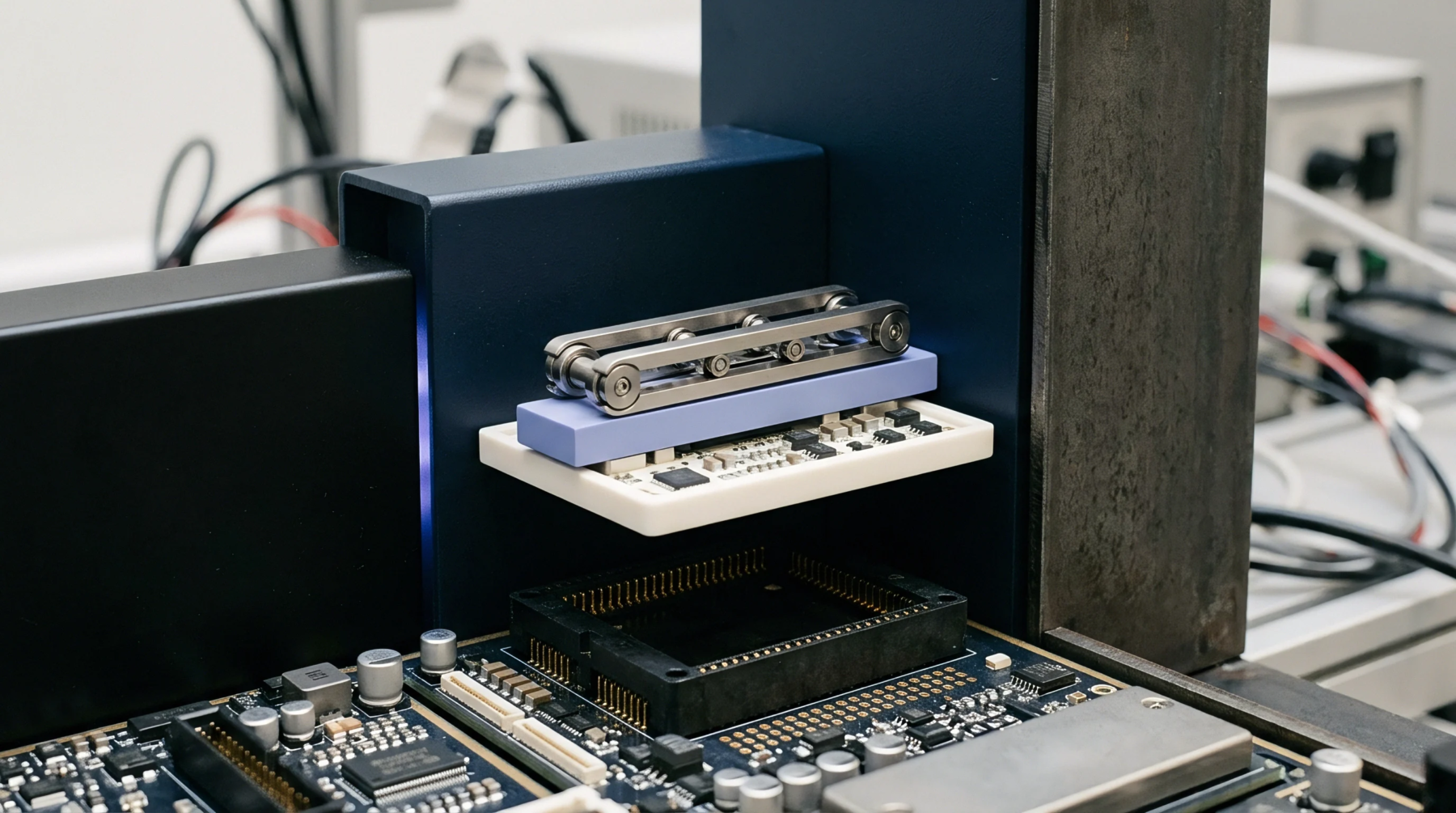
Mechanical changes in automated test fixtures cause the spring-loaded contacts to shift from their target positions over time. When pogo pin drift occurs, the probes may miss the designated test pads or make intermittent contact, resulting in false failures. This misalignment is driven by the repeated mechanical stress of board insertion and the wear of the fixture housing.
The problem must be detected and corrected before it disrupts the production flow.
Mechanical Wear
Microscopic wear in the guiding block allows the probe shafts to tilt or wobble during insertion. This slack increases with each test cycle, causing the contact point to migrate away from the center of the test pad. Regular inspection under a microscope is required to detect this wear before it affects test yields.
Fixture Precision
High-quality fixtures utilize precision-drilled guide plates made from dimensionally stable materials to minimize probe movement. These plates must resist thermal expansion and moisture absorption during operation. Proper alignment ensures that the probe tips make consistent electrical contact with the target boards.
Maintenance Frequency
Test engineers establish a preventative maintenance schedule to replace worn probes and realign the fixture blocks. This activity prevents costly downtime and keeps the test station running efficiently.