Meaning
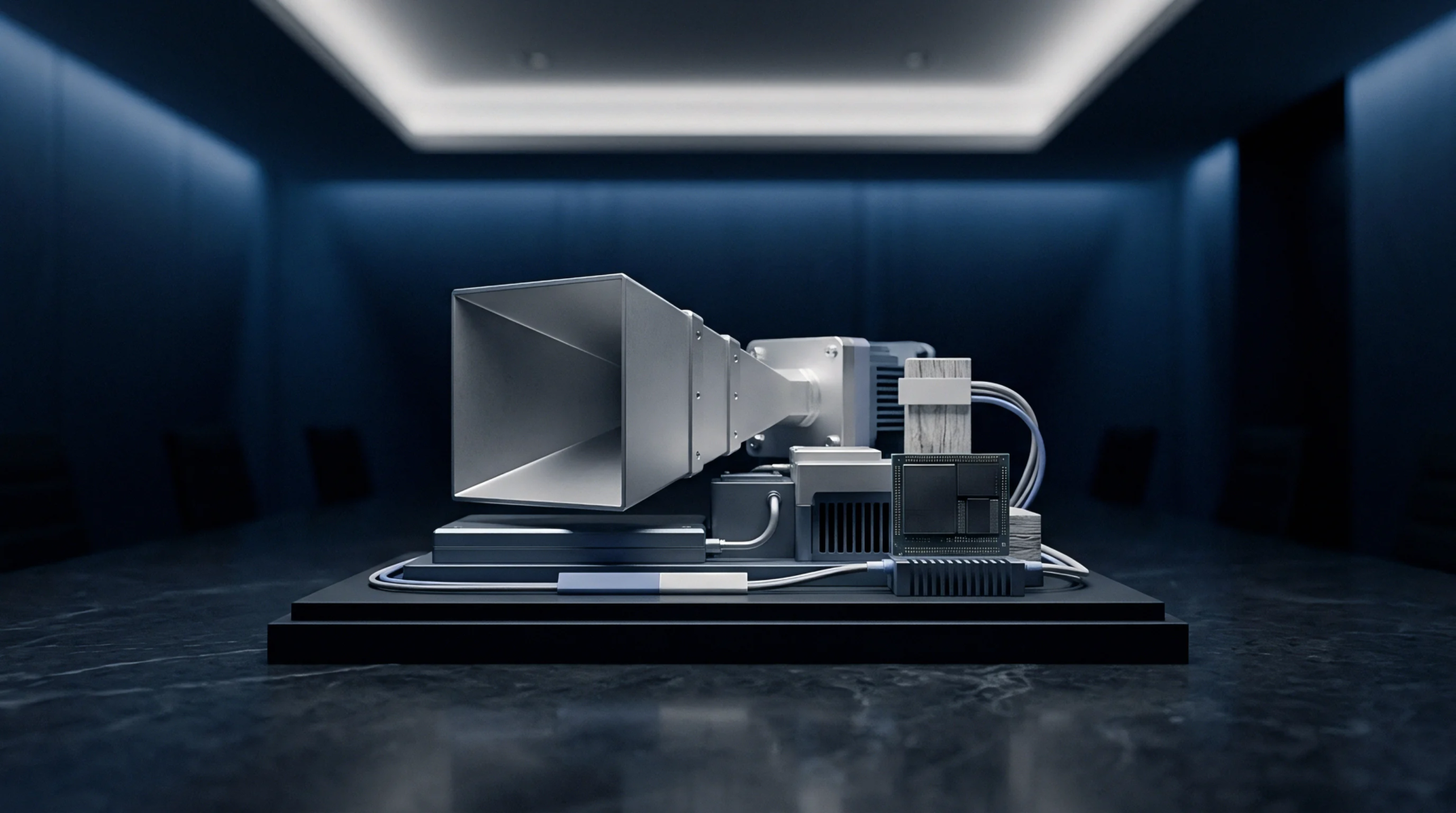
Electromagnetic compatibility test structures dynamically alter the height and orientation of measuring antennas inside anechoic chambers during wireless device evaluations. A radiated test mast holds the measuring antenna and moves it along a vertical axis to capture the peak electromagnetic emissions of the device under test. This device allows compliance laboratories to measure spurious emissions in accordance with global regulatory requirements.
Measurement Automation
Manual adjustment of antenna height is time-consuming. The radiated test mast automates this movement, sweeping the sensor from one to four meters. This automation secures a thorough scan of the emitted signal fields.
Antenna Position
Accurate determination of maximum field strength requires scanning across a wide range of heights to capture constructive interference from ground reflections. The radiated test mast adjusts the height of the antenna while the device under test rotates on a turntable. This simultaneous motion maps the radiation pattern across a complete three-dimensional sphere.
Laboratory Calibration
Reflections and structural interferences must be minimized to maintain measurement accuracy. A radiated test mast is constructed from non-reflective, low-loss materials such as fiberglass or reinforced plastic to prevent interference with the electromagnetic waves being measured. Regular calibration verifies that the positioning system remains precise to within a few millimeters, ensuring that the test results are repeatable across different test sessions and comply with international laboratory standards.