Meaning
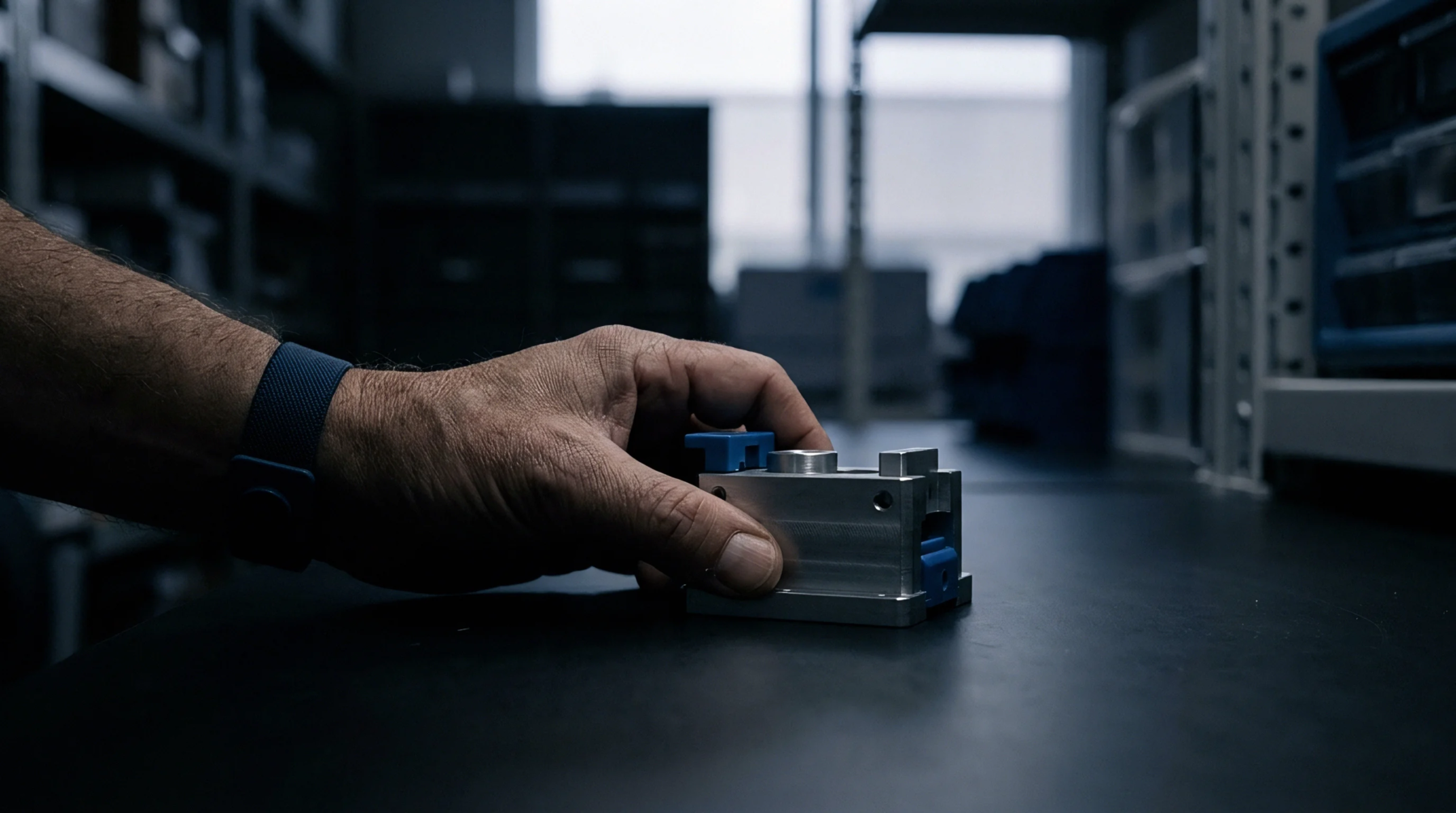
Shielded container designed to isolate electronic devices from external electromagnetic interference during testing. Engineers use an rf test enclosure to create a controlled environment for measuring the performance of wireless modules, antennas, internal sensors and cellular devices. The internal walls are typically lined with microwave absorbing material to prevent internal reflections from distorting the measurement results.
Shielding Effectiveness
Physical barriers made of conductive materials block incoming and outgoing radio signals across a wide frequency range. Inside an rf test enclosure, the attenuation level determines how well the device under test is isolated from ambient noise. This isolation is critical for verifying that a new product complies with international emission standards without interference from local wifi or cellular networks.
Measurements taken in such a controlled space provide the high precision data needed for regulatory filing and technical certification.
Interface Connection
Filtered ports allow power and data signals to enter the chamber without compromising the electromagnetic seal. Every cable passing into the rf test enclosure must use a specialized bulk-head connector to maintain the shielding integrity of the system. These connections enable remote control of the device while it remains in the isolated environment.
Production Verification
High volume manufacturing lines use smaller, automated versions of these boxes for rapid functional checks. An rf test enclosure integrated into a test rack ensures that every unit meets the specified wireless sensitivity and power levels before final packaging.