Meaning
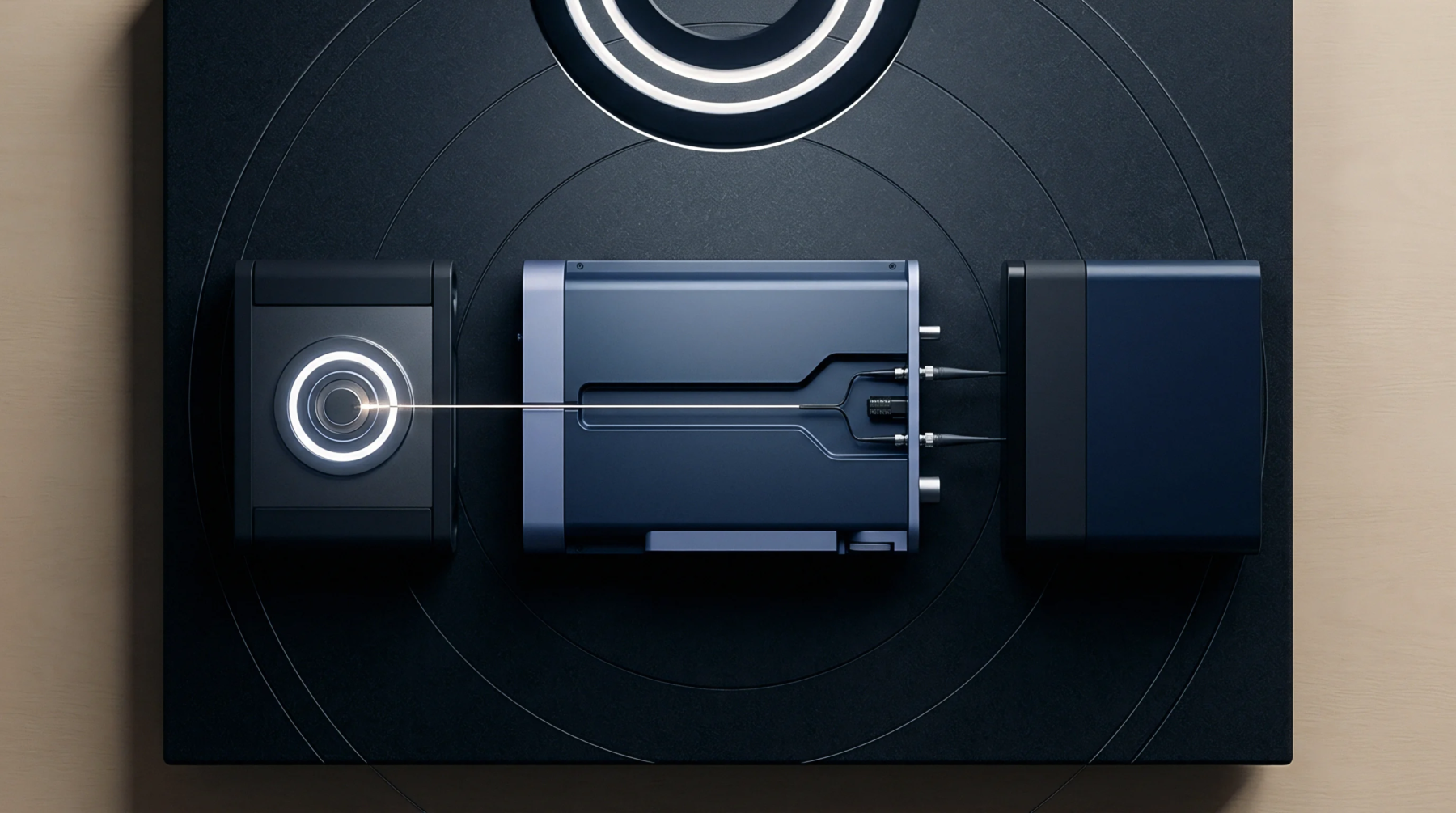
Systematic adjustments to electronic sensor readings compensate for variations caused by changes in ambient or internal heat levels. The procedure of thermal drift calibration involves mapping the relationship between temperature and output error across a defined range. It measures the stability of oscillators, pressure sensors, thermocouples and voltage references.
This correction is effective only within the temperature bounds established during the initial testing phase.
Temperature Correction
Most electronic components change their behavior as they heat up or cool down. Thermal drift calibration uses a mathematical model to subtract the expected error from the raw sensor data in real time. This ensures that the final output remains accurate regardless of whether the device is in a cold start or a fully warmed state.
Precision Management
High accuracy applications require individual units to undergo a characterization process. During thermal drift calibration, a technician places the device in a controlled chamber and records its performance at several set points. The resulting data points are stored in the device memory as a lookup table.
Operational Boundary
Environmental extremes can push a component beyond its calibrated limit. If the temperature exceeds the range covered by thermal drift calibration, the accuracy of the system can no longer be guaranteed. Designers must choose components with low natural drift to minimize the reliance on software corrections.