Meaning
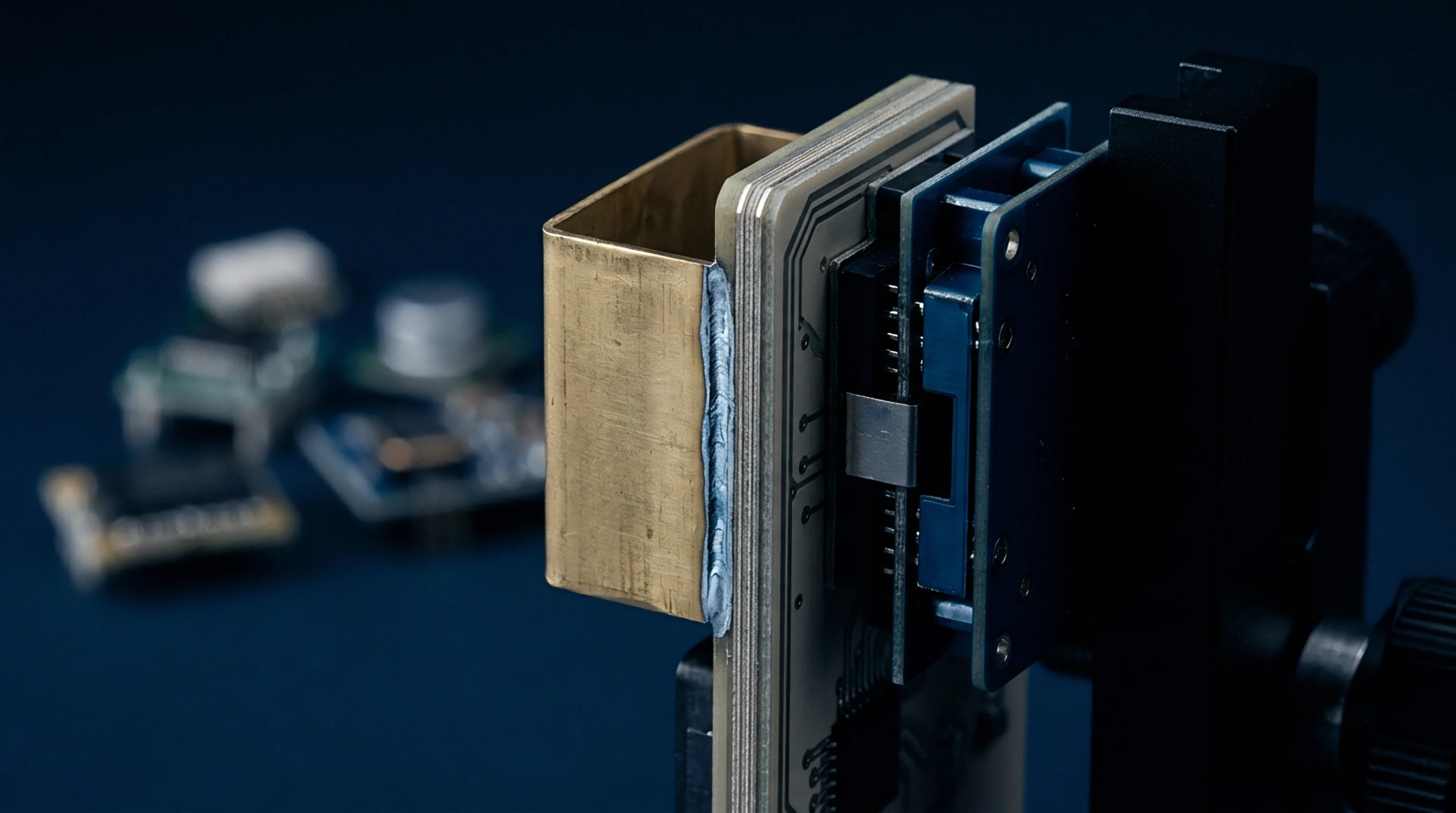
A fully integrated wireless subsystem that combines the radio chip and the matching circuitry into a single pre-certified component. This turnkey module is designed to be easily incorporated into a larger electronic product with minimal radio frequency design effort from the buyer. It provides a standardized interface for power and data, allowing the main processor to communicate with the radio using simple commands.
Using such a component significantly reduces the development time and the technical risk associated with adding wireless connectivity to a new device. The module is typically housed in a small metal shield that protects the sensitive electronics from electromagnetic interference. It represents a complete solution that is ready for immediate use in mass production.
Integration Advantage
The primary benefit of choosing this approach is the simplified engineering process required to achieve a working wireless connection. Because the supplier has already optimized the internal layout and the matching network, the buyer does not need specialized radio frequency expertise. The turnkey module also comes with a comprehensive set of software drivers and application examples that speed up the firmware development phase.
This allows the product team to focus on the core functionality of their device rather than the complexities of the radio protocol. The physical integration is limited to providing a stable power supply and connecting the appropriate digital lines like a universal asynchronous receiver-transmitter. This plug and play nature makes it an attractive option for companies that want to bring a connected product to the market as quickly as possible.
Pre-Certification Value
One of the most valuable aspects of these integrated components is the existing regulatory approval for major markets like North America and Europe. A turnkey module is often sold as a pre-certified intentional radiator, which allows the buyer to leverage the supplier’s test data for their own filing. This can save thousands of dollars in laboratory fees and several weeks of testing time during the product launch.
The manufacturer only needs to perform limited testing on the final assembly to ensure that the module has been integrated correctly and that no new emissions are created. This reduced certification burden is a major factor in the decision to use a module rather than a discrete design. It provides a predictable path to compliance for the finished product.
Supply Chain Choice
While the unit cost of this solution is higher than the sum of the individual parts, the total cost of ownership is often lower for many projects. The turnkey module reduces the non-recurring engineering expenses and the inventory management complexity by combining multiple parts into a single item. It also simplifies the manufacturing process as the module can be placed on the main board using standard surface mount technology.
The supplier of the module takes responsibility for the quality and the availability of the radio components, which reduces the risk for the buyer. This approach is particularly effective for medium volume products where the savings in development time outweigh the higher material costs. Successful adoption of this technology enables rapid innovation in the internet of things market.