Multi Tier Warranty Dispute Analysis for Integrated Circuit Modules
Warranty recovery across module tiers requires decoupling host board electrical and mechanical stresses from component-level manufacturing defects using IPC standards.


Solder
Field returns for surface-mount integrated circuit modules land on the bring-up bench with cracked joints, lifted lands, or silent functional opens. When a modular subsystem fails inside a parent device, liability splits along metallurgical lines. The module vendor inspects the secondary reflow profile of the mainboard assembly factory, looking for peak temperatures above two hundred sixty degrees Celsius or prolonged liquidus duration.
The mainboard assembler points to intermetallic growth inside the module during initial substrate fabrication, where fragile gold-tin or copper-tin intermetallics formed before the sub-assembly arrived in tape and reel. Every tier protects its margin by isolating the thermal cycle that triggered the fracture.
Resolving root cause across these boundaries relies on destructive physical analysis under industry standards. IPC-A-610 criteria separate assembly-induced fractures from component defects, though land grid arrays and quad-flat no-lead packages obscure the boundary. Micro-sectioning through failing solder balls reveals whether voids exceed the twenty-five percent threshold set by IPC-7095, or whether grain coarsening points to extended field operation at elevated junction temperatures.
Modules housing embedded microcontrollers, power management units, and radio-frequency front ends introduce mismatched coefficients of thermal expansion across internal laminates. When the parent system subjects the integrated device to cyclic mechanical flexure or rapid automotive thermal shock from minus forty to one hundred twenty-five degrees Celsius, shear stress concentrates along the corner interconnects.
IPC-7095 voiding allowances below twenty-five percent provide no shield against crack propagation when corner interconnects absorb board-level torsional deflection.
Thermal signatures guide fault attribution during physical cross-sectioning. A failure occurring at the intermetallic interface between the package pad and the solder sphere indicates substrate plating contamination or nickel-gold embrittlement at the module manufacturing plant. Conversely, separation between the bulk solder and the main printed circuit board land points to inadequate flux activation, board surface oxidation, or an insufficient thermal profile during top-level reflow.
Assembly factories often attempt to compensate for heavy ground planes by prolonging soak times, which unintentionally consumes the copper layer under the module lands and promotes premature kirkendall voiding. When mechanical strain shears these weakened joints, assigning financial liability hinges on whether the component supplier validated its package for the host environment specified in the product requirement sheet.

Mechanical Strain and Package Shear Boundaries
Torque applied during automated chassis assembly frequently snaps peripheral joints on large-format modular devices. Deflection exceeding five hundred microstrain induces microcracks across rigid solder alloys like SAC305, particularly on modules measuring wider than twenty-five millimeters per side. The strain limits defined under IPC-JEDEC-9704 set baseline boundaries for printed circuit board flexure during in-circuit testing, board depaneling, and connector insertion.
When a tier-one customer mounts an unreinforced radio module next to a mechanical fastener without underfill, torsional displacement tears the outermost solder balls during vibration testing.
| Observed Failure Mode | Physical Root Mechanism | Governing Standard | Commercial Fault Attribution |
|---|---|---|---|
| Black pad nickel corrosion | Hyperactive phosphorus immersion attack | IPC-4552B | Substrate fabricator or module vendor |
| Bulk alloy thermal fatigue | Cyclic grain coarsening and strain | JESD22-A104 | System integrator or operating profile |
| Interfacial shear fracture | Excessive assembly strain during depaneling | IPC-JEDEC-9704 | Mainboard surface-mount assembler |
| Kirkendall void coalescence | Excessive thermal dwell above liquidus | IPC-7095D | Contract manufacturer reflow process |
| Corner delamination | Coefficient of thermal expansion mismatch | JESD22-A103 | Module packaging design specification |
Suppliers reject warranty claims if the assembly facility omitted structural adhesive under large components. Contract packagers rarely dispense underfill unless the statement of work explicitly funds the extra dispensing cell and curing oven. Consequently, corner joints absorb unfiltered shock pulses during transit and deployment.
When metallurgical failure analysis demonstrates cleavage fractures across the bulk alloy rather than ductile tensile elongation, the failure mode indicates sudden physical shock during downstream enclosure assembly. Uncontrolled panel routing without fixture support cracks peripheral terminations instantly. Skipping strain gauge verification during board depaneling voids financial restitution across every tier of the component supply agreement.


Trace
Printed conductive geometries on the host motherboard dictate whether high-frequency modules survive electrical transients or perish from latent overstress. Sourcing engineers routinely buy turnkey connectivity modules under the assumption that internal shielding and regulatory certifications protect the parent board from RF matching issues and transient currents. Silicon vendors design evaluation boards with continuous ground reference planes, extensive stitching vias, and wide copper conductors rated for immediate current sinking.
In contrast, cost-optimized consumer host boards route digital bus lines beneath the RF block, pinch ground returns into narrow chokes, and omit transient voltage suppression diodes to save pennies per bill of materials. When electrostatic discharge strikes an external antenna port or sensor input, energy bypasses the intended earth path and punctures internal silicon oxide layers inside the module.

Conducted Transients and Electrical Overstress Partitioning
Die-level inspection via scanning electron microscopy separates sudden electrostatic discharge from prolonged electrical overstress. Thermal melting of aluminum or copper metallization on the silicon die indicates sustained current injection far beyond device limits, pointing to host system power supply instability or unregulated power-management sequencing. Electrostatic discharge, by comparison, produces localized gate oxide pinholes with minimal thermal distortion, usually traceable to manual handling at the surface-mount assembly line or ungrounded testing fixtures.
JEDEC standard JESD22-A114 establishes human-body model sensitivity classes, while JESD22-C101 governs charged-device model thresholds. If the module package demonstrates immunity up to two kilovolts human-body model, but field returns present blown integrated inductors, the failure points to high-energy surges across the host trace network rather than component fragility.
- Host board decoupling placement exposes integrated silicon to voltage spikes when bypass capacitors sit further than two millimeters from supply pins. Inductance along lengthy circuit runs generates inductive kickback during rapid digital current transitions.
- Shared ground return inductance drives ground bounce into sensitive internal analog references. Modules sink burst currents during radio transmissions, causing transient common-mode voltage offsets across peripheral communication buses.
- External antenna trace routing acts as a lightning rod for electrostatic discharges unless matched microstrip lines incorporate dedicated spark gaps or shunt suppressors before reaching the RF package pad. Unprotected conductors deliver charge straight into the low-noise amplifier.
- Inrush current limitations fail when host power supplies lack soft-start controls. The module input capacitors pull instantaneous amperage that welds internal bonding wires or damages low-dropout regulators during cold-boot sequences.
Disputes frequently center on vendor reference designs copied into production files without simulation. A supplier reference schematic assumes ideal power rail decoupling, eighty-mil ground planes, and fifty-ohm microstrip runs etched on high-grade dielectric material. When the buyer transitions from a four-layer FR-4 demonstration board to a compressed six-layer stackup with high-density interconnect microvias, line impedances drift outside target bands.
Parasitic inductance along host supply runs generates transient ringing that exceeds the absolute maximum ratings of the embedded transceiver die.
Host layout deviations from vendor reference design stackups eliminate supplier liability for field failures driven by power rail transients.
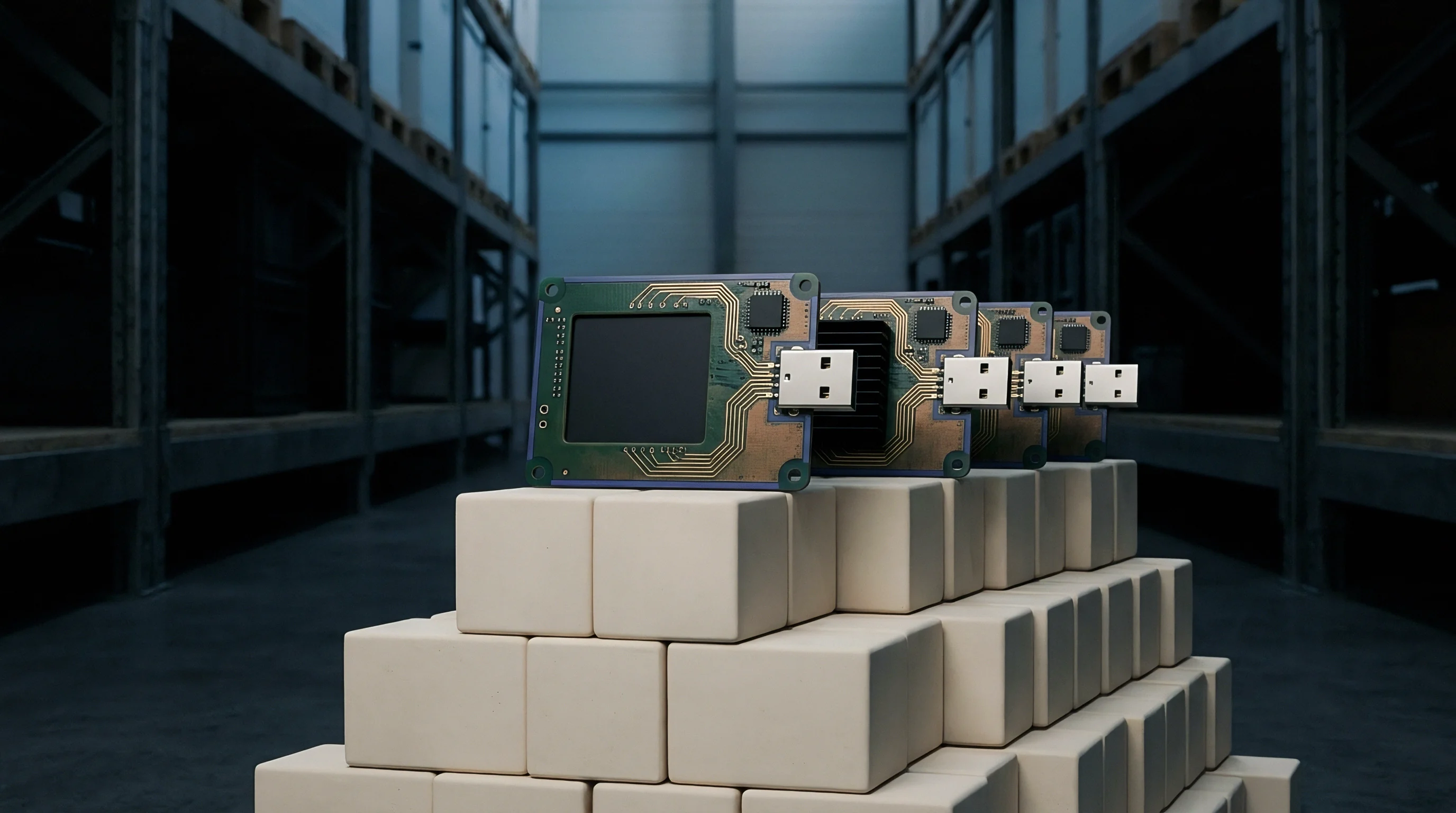
Whose Integration Scope Absorbs Latent Electrical Overstress?
Resolving warranty liability for overstressed components requires auditing the power tree on the host schematic. If the input power pin of the module experiences a surge of forty volts for five microseconds during automotive load-dump conditions, the primary power conditioning stage failed to clamp the transient. ISO 7637-2 defines conducted electrical transients along supply lines in road vehicles.
When tier-one buyers integrate commercial-grade communications modules into telematics boxes without secondary avalanche diodes, field returns exhibit catastrophic gate punch-through. Module manufacturers test incoming silicon to tight electrostatic discharge specifications, but internal RF switches are not designed to survive industrial surges conducted through negligent host traces.
Improper trace clearances and omitted surge protection components on the host board expose certified assemblies to operating conditions beyond published maximum ratings.


Ledger
Financial recovery for systematic batch defects requires detailed calculation of landed costs, reverse logistics, and factory rework labor. When failure rates breach the agreed acceptable quality level, dispute arbitration shifts from metallurgical laboratories to accounting tables. Warranty claim dossiers blend line items covering initial device acquisition, unrecoverable surface-mount assembly fees, enclosure scrap, technician diagnostic hours, and shipping charges for recalled products.
Silicon vendors push back against consequential damage claims, capping warranty exposure to the unit purchase price of the module under uniform commercial code principles. Contract manufacturers disclaim liability by pointing to component test certificates, leaving the brand owner holding the accumulated losses of field extractions.

Debit Models and Incident Allocations
Calculating financial debits demands an established baseline separating standard infant mortality from epidemical batch flaws. Standard electronics purchasing agreements set an acceptable field failure rate, typically five hundred parts per million over the first operating year. If returns exceed this threshold, the batch debit clause activates.
The buyer tabulates direct expenses, beginning with the landed component cost, progressing through surface-mount assembly expenditure, and culminating in customer support dispatches. Allocating these costs across tiers requires tracing every serial number to a single production date code, lot number, and wafer run.
| Cost Component Category | Turnkey Module Vendor | Contract Manufacturer | Original Equipment Buyer |
|---|---|---|---|
| Unit replacement cost | Absorbs one hundred percent | Zero liability | Zero liability |
| Assembly and solder consumables | Contested line item | Absorbs if process defect | Absorbs if design defect |
| Diagnostic bench time | Zero liability | Absorbs internal factory hours | Absorbs field triage expense |
| Reverse freight and duties | Absorbs replacement freight | Zero liability | Absorbs field return freight |
| Parent product scrap | Strictly disclaimed | Contested line item | Absorbs consequential loss |
Scrap values escalate when the failing module is non-reworkable. High-density land grid array packaging soldered over blind vias cannot be lifted and re-balled without risking internal thermal degradation of adjacent components. Removing a shield can to replace a cracked passives array destroys the moisture barrier and invalidates the original radio frequency modular certification.
The parent circuit board assembly becomes total scrap. Buyers attempt to pass this cost backward through commercial debit memos, but standard supplier terms explicitly exclude secondary assembly labor. Unless the buyer negotiated a master supply agreement with a comprehensive epidemical failure clause, recovery stops at component credit notes.
Diagnostic testing costs generate secondary friction during reconciliation. Processing returns through an automated optical inspection cell, radiographic examination, and bench testing consumes sixty to one hundred twenty engineering hours per disputed lot. When failure analysis confirms no trouble found, the supplier bills the buyer for diagnostic overhead.
A zero-defect commercial expectation clashes directly with the statistical realities of high-volume surface-mount yields, shifting unassigned triage costs to the party with the weakest contractual position.
Clear audit trails balance financial ledgers faster than prolonged metallurgical debate.
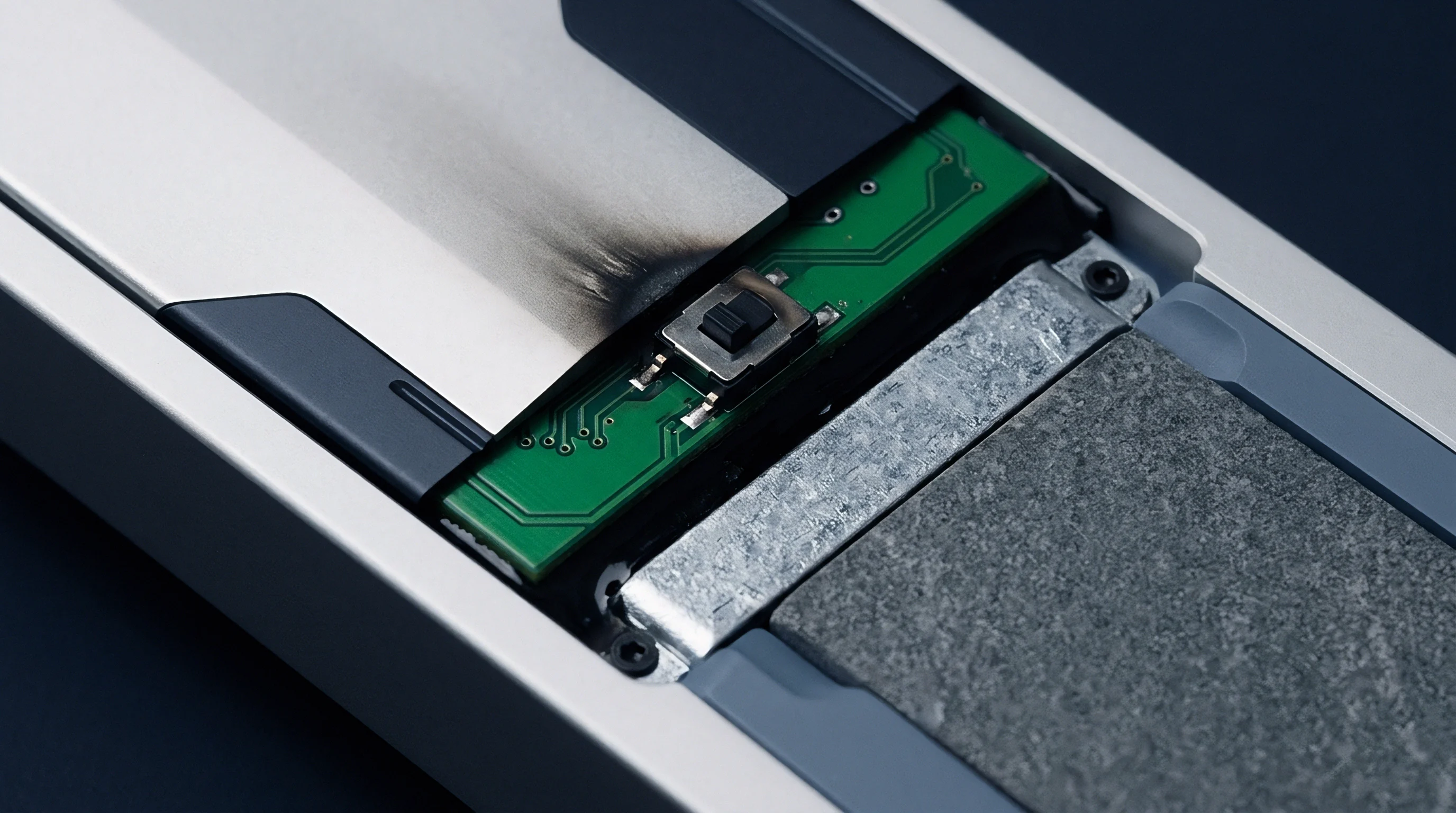

Clause
Master supply agreements and statements of work govern the legal perimeter of technical warranty claims. Standard off-the-shelf vendor terms contain explicit waivers of implied merchantability and fitness for a particular purpose. Sourcing teams negotiating module acquisitions must replace supplier sales acknowledgments with negotiated terms that bridge the technical performance gap between component specifications and final system deployment.
Key contractual levers include epidemic failure definitions, pass-through warranties from tier-three chipmakers, and rigorous change notification regimes. Without explicit language detailing diagnostic cost allocation and liability caps, warranty arbitration collapses into prolonged litigation under commercial code defaults.

Which Contract Mechanism Overrules Pass through Limitations?
Limitation of liability clauses routinely shield module vendors from the true scale of field failures. A standard vendor terms sheet limits aggregate financial exposure to the total purchase price paid by the buyer over the preceding six or twelve months. In contrast, an automotive or industrial product recall rapidly generates liabilities twenty times the procurement value of the bare integrated circuit modules.
Sourcing teams penetrate this limitation by carving out exceptions for gross negligence, willful misconduct, intellectual property breaches, and epidemic failures. If a module fabricator alters an internal bill of materials without issuing a formal product change notice, the breach falls outside the standard liability ceiling, exposing the vendor to full recall costs.
- Epidemic failure trigger definitions establish contractual remedies when field returns exceed an agreed threshold, typically two percent across any rolling sixty-day window. Activating this mechanism compels the supplier to fund total root-cause investigations, reverse logistics, and system-level scrap recovery.
- Product change notification intervals obligate the vendor to issue formal engineering change notices ninety to one hundred eighty days prior to altering internal silicon revisions, passive component suppliers, or assembly sites. Breaching JEDEC standard JESD46 invalidates warranty disclaimers regarding integration incompatibilities.
- Pass-through warranty commitments force the module vendor to assign all tier-three component warranties, intellectual property indemnifications, and silicon performance guaranties directly to the top-tier system integrator. Omission leaves the buyer unprotected if an internal flash memory die suffers latent wear-out.
- Audit and inspection rights grant the purchasing engineering team direct bench access to the sub-tier assembly plant, cleanrooms, and automated test logs. Refusing plant access during root-cause investigations creates an immediate presumption of vendor liability under contractual breach covenants.
Pass-through warranty language protects buyers against latent semiconductor degradation. Integrated circuit modules incorporate bare silicon dice, passive networks, and specialized substrates sourced from disparate commercial entities. If an internal power management IC exhibits latent gate oxide wear-out under nominal operating voltages, passing a top-level functional test suite during assembly does not resolve underlying component defects.
The master development agreement must stipulate that warranties provided by underlying semiconductor foundries automatically transfer to the original equipment manufacturer. This structure prevents the primary module contractor from hiding behind upstream supplier disclaimers.
A negotiated epidemic failure clause invalidates standard liability caps when defect thresholds cross two percent of deployed inventory.
A precisely defined epidemic failure clause alters commercial reality by shifting the burden of containment costs straight back to the component supplier upon reaching the contractual failure ceiling.
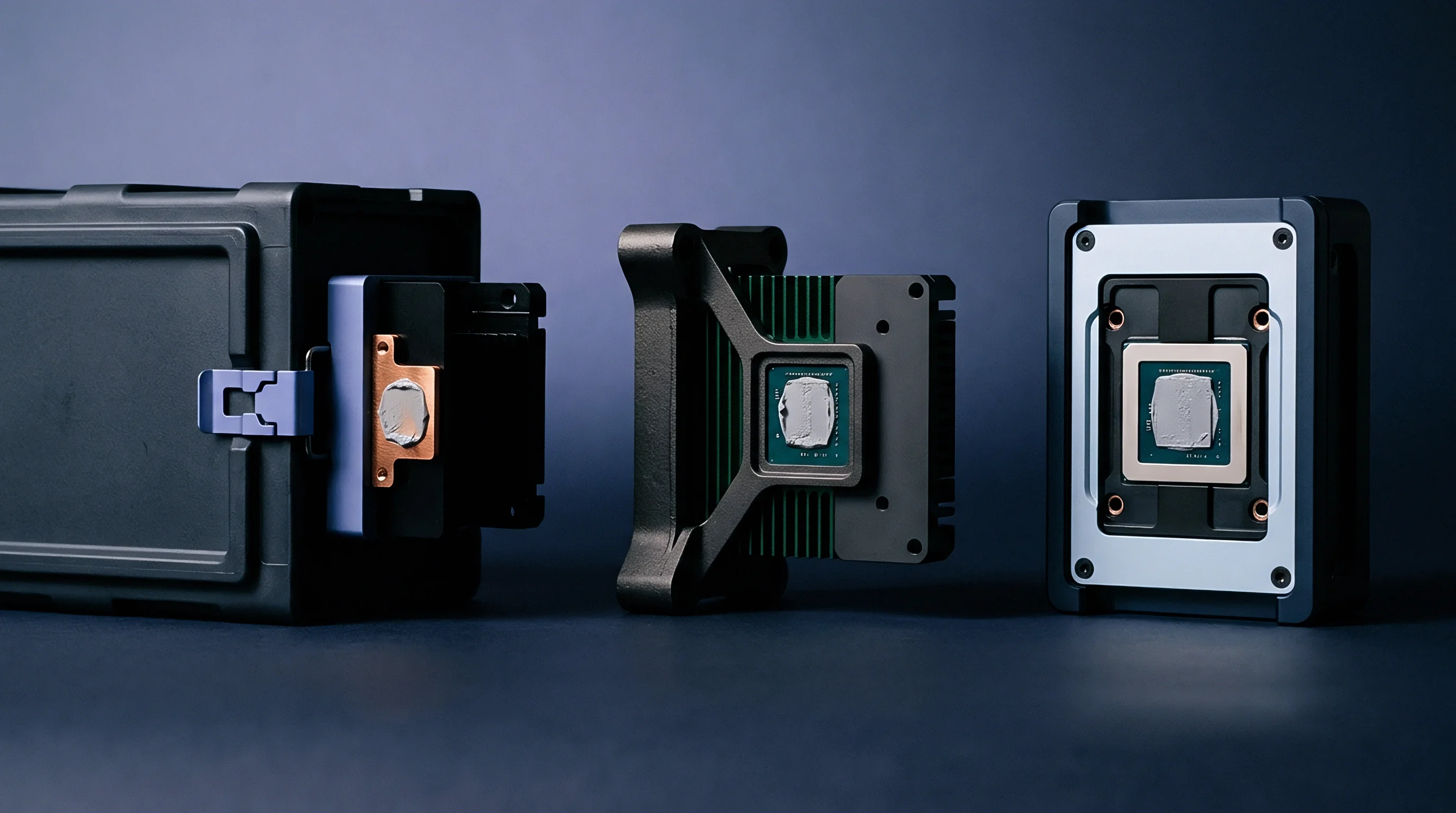

Audit
Investigating root causes demands complete traceability back to raw wafer lots, substrate bobs, and surface-mount placement feeders. When a warranty dispute escalates, engineering teams examine the design transfer package, firmware repositories, and factory bring-up records. The primary boundary of contention sits between firmware-driven electrical stress and inherent hardware defects.
A module operating flawlessly under standard bench tests may latch up or overheat when custom host software misconfigures low-power registers or drives internal low-dropout regulators into thermal oscillation. Tracing these interactions requires matching physical lot numbers to automated test logs generated at the factory gate.

Firmware Custody and Configuration Management
Embedded firmware defines register states, internal clock frequencies, and radio output power steps. Disputes arise when the module vendor delivers a pre-certified radio subsystem running proprietary baseband firmware, but the buyer writes an external application layer that alters drive currents. If a host firmware release inadvertently disables internal thermal throttling routines during high-duty-cycle packet bursts, the transceiver junction temperature climbs past one hundred fifty degrees Celsius, destroying gallium arsenide or silicon germanium output stages.
Sourcing contracts must clearly specify firmware ownership, binary signing mechanisms, and static register limits. Handover packages must document the reproducible build environment, toolchain versions, and errata registers needed to verify whether firmware modifications contributed to device destruction.
- Verify incoming tape and reel moisture barrier bags against IPC-J-STD-033 standards to confirm floor life exposure remained within specification prior to surface-mount assembly reflow.
- Extract non-volatile internal register states from returned modules using automated diagnostic tools to detect unauthorized register configurations or thermal trip events.
- Cross-examine factory automated test equipment logs against component serial numbers to verify that baseline current draw, frequency stability, and sensitivity passed pre-shipment screening.
- Audit engineering change order records at the substrate fabricator to uncover unannounced modifications to copper balancing, dielectric formulations, or solder mask chemistries.
- Perform acoustic micro-imaging via scanning acoustic microscopy to inspect internal package delamination, mold compound cracking, or die attach voids without damaging external traces.
Manufacturing process audits frequently uncover unauthorized component substitutions beneath package shields. Global supply chain friction tempts assembly plants to exchange passive components, crystal oscillators, or balance-unbalance transformers with pin-compatible second sources without issuing formal notifications. A substitution that matches nominal resistance and capacitance values may introduce distinct parasitic inductance or inferior temperature coefficients, degrading RF emissions or de-tuning antenna matching networks.
These drift defects manifest only after months in the field when ambient temperatures swing across seasonal extremes. Rigorous incoming lot inspections verify internal bills of materials by depotting sample units from each received date code.
Does the module vendor retain traceable manufacturing test logs for every failed serial number over the full statutory warranty window?