Possessory Lien Mechanics in Turnkey Electronics Manufacturing Contracts
Possessory liens allow contract manufacturers to withhold custom electronics inventory and tooling during payment disputes, overriding unperfected title claims.


Shelf
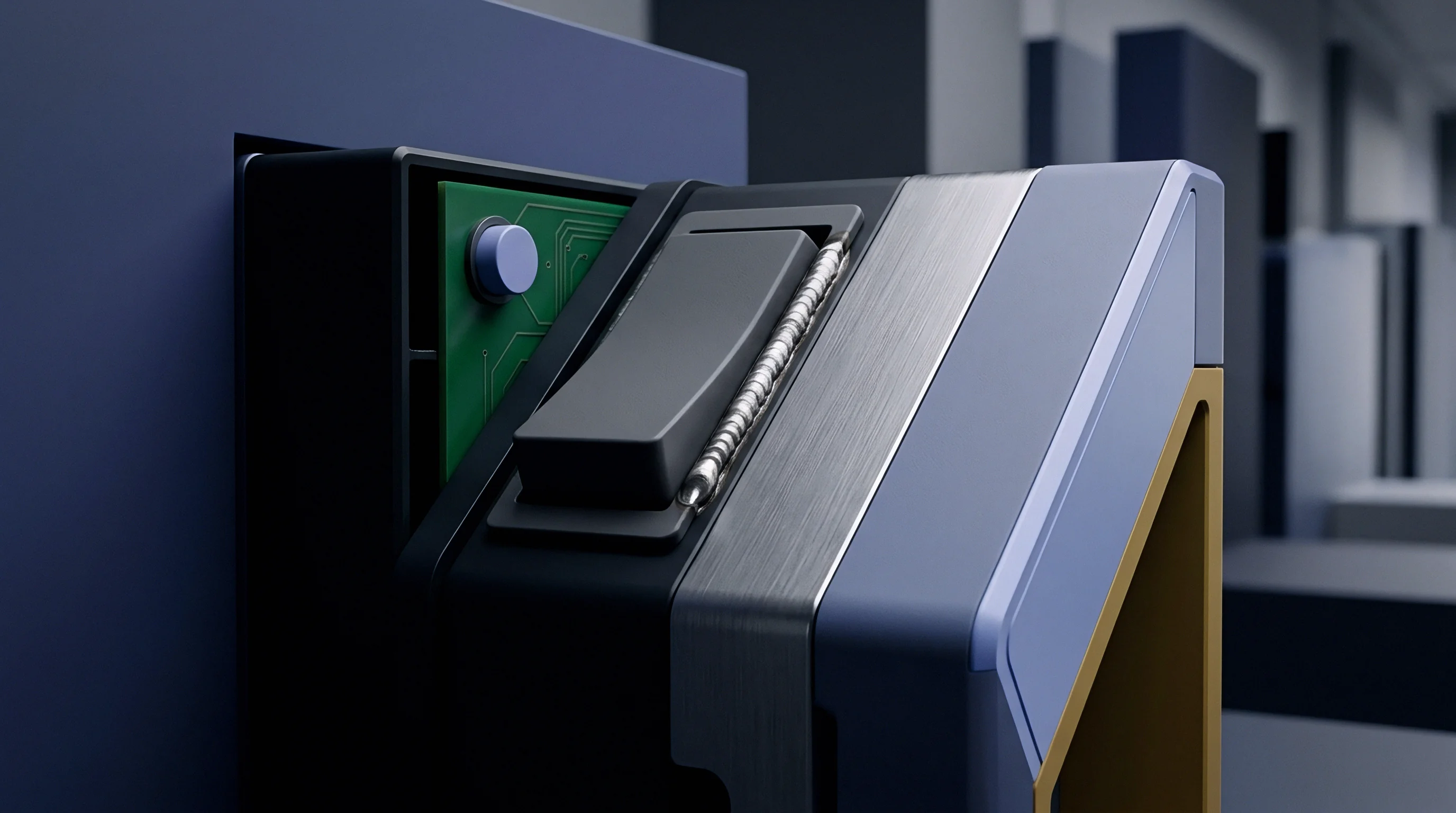
Turnkey electronics manufacturing shifts procurement risk to the contract manufacturer, but it also creates tight custody dependencies on raw components and surface-mount sub-assemblies. Under a turnkey model, the manufacturing partner uses its own balance sheet and credit lines to purchase active silicon, passive components, and bare printed circuit boards. Legal ownership of those items remains tied to payment settlement and physical location.
When cash flow stalls or billing disputes arise, holding raw inventory on factory racks gives the manufacturer immediate commercial leverage through possessory liens.
Possessory liens rely on common law principles and statutory framework like Article 7 and Article 9 of the Uniform Commercial Code, along with parallel provisions in international civil codes. The basic mechanism allows a service provider in physical possession of personal property to retain that property until the owner settles all outstanding invoices for services rendered or materials acquired. In turnkey electronics contracts, this right covers both the labor hours logged on SMT lines and the raw inventory acquired specifically for the buyer’s bill of materials.
Turnkey component carrying costs add 3.5 to 6.0 percent annually to landed unit costs when default risks push buffer stock storage beyond ninety days.
A contract structure that leaves component title with the manufacturer until final board delivery creates an absolute possessory barrier during billing disputes. If a buyer defaults on milestone payments or price variance reconciliations, the manufacturer can halt shipments while retaining physical hold over populated assemblies and bare boards alike.
- Purchase Order Execution establishes commercial authorization for component acquisition under supplier credit lines, defining financial liability for long-lead semiconductors.
- Goods Inward Acceptance verifies component reel integrity and stack-up tolerances before moving inventory from vendor liability into active work-in-progress stock.
- Sub-Assembly Integration combines bare boards and surface-mount passives into functional circuits, merging separate line items into an indivisible physical assembly.
- Title Transfer Verification takes place upon invoice settlement, releasing the factory’s possessory claim over finished printed circuit board lots.
Distinguishing between consigned inventory and turnkey inventory fundamentally changes the legal dynamic. With consigned inventory, the buyer purchases materials directly and delivers them to the plant, establishing a clear bailment where the buyer retains legal title. The manufacturer holds physical custody but faces a higher legal burden when asserting a possessory lien over buyer-owned property.
Turnkey arrangements place both title and custody in the manufacturer’s hands until invoices are settled, giving the factory a strong legal defense against demands for inventory release.
Incorporating IPC-DFA-331 standard transfer terms shifts inventory risk at physical dispatch rather than invoice issuance, stripping the factory of non-judicial retention rights over goods already handed to a designated freight forwarder.
Fixture
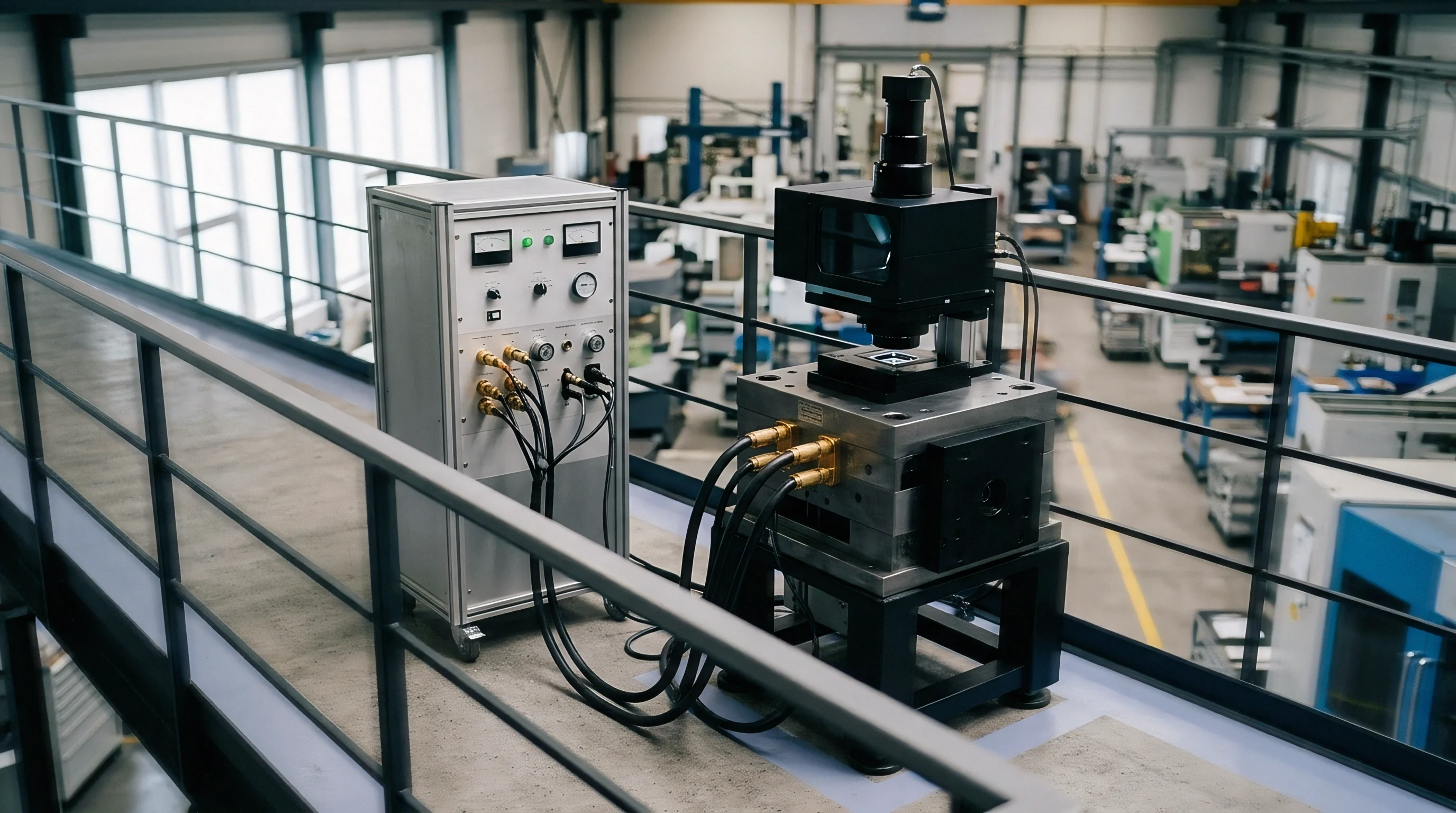
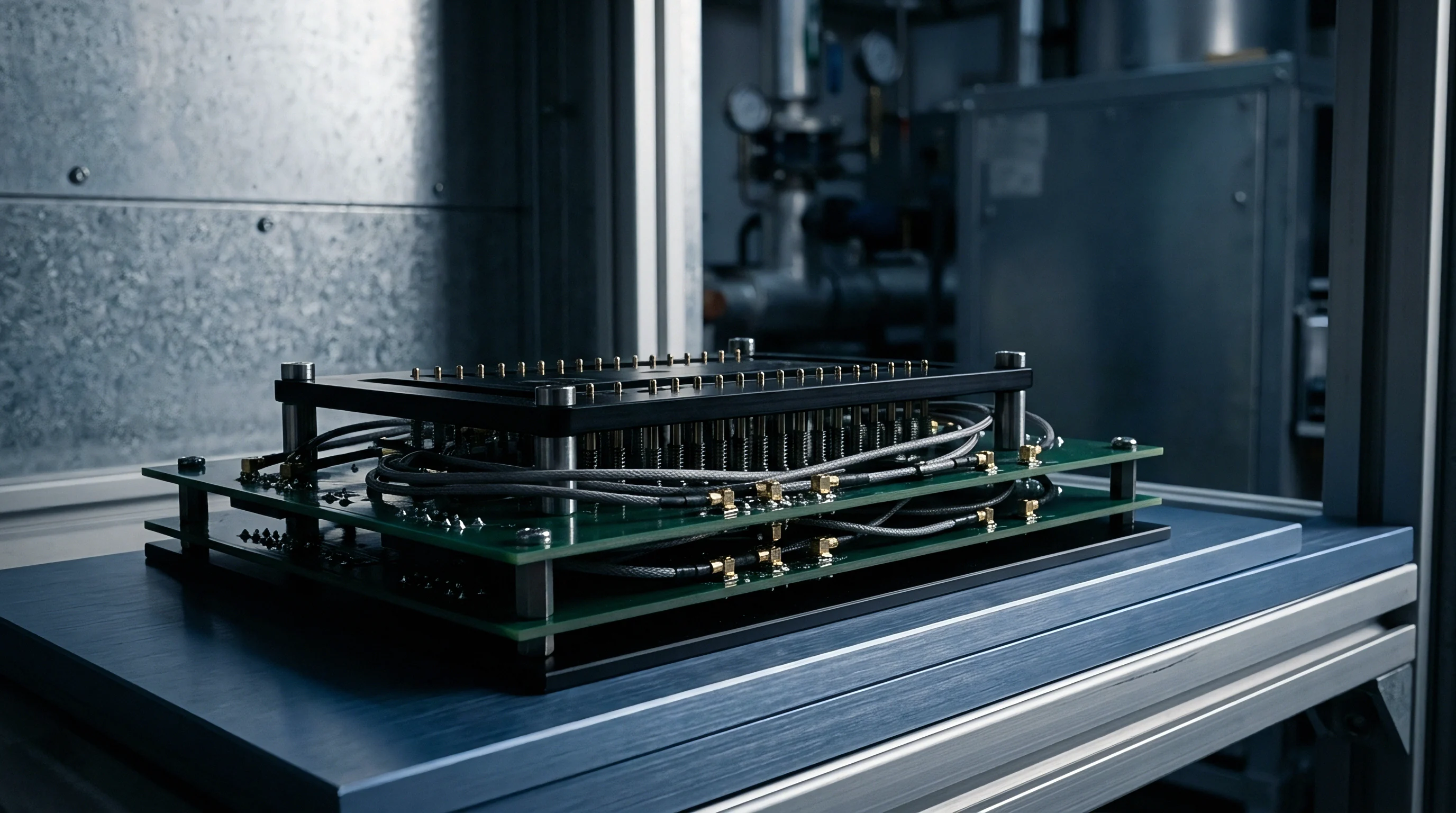
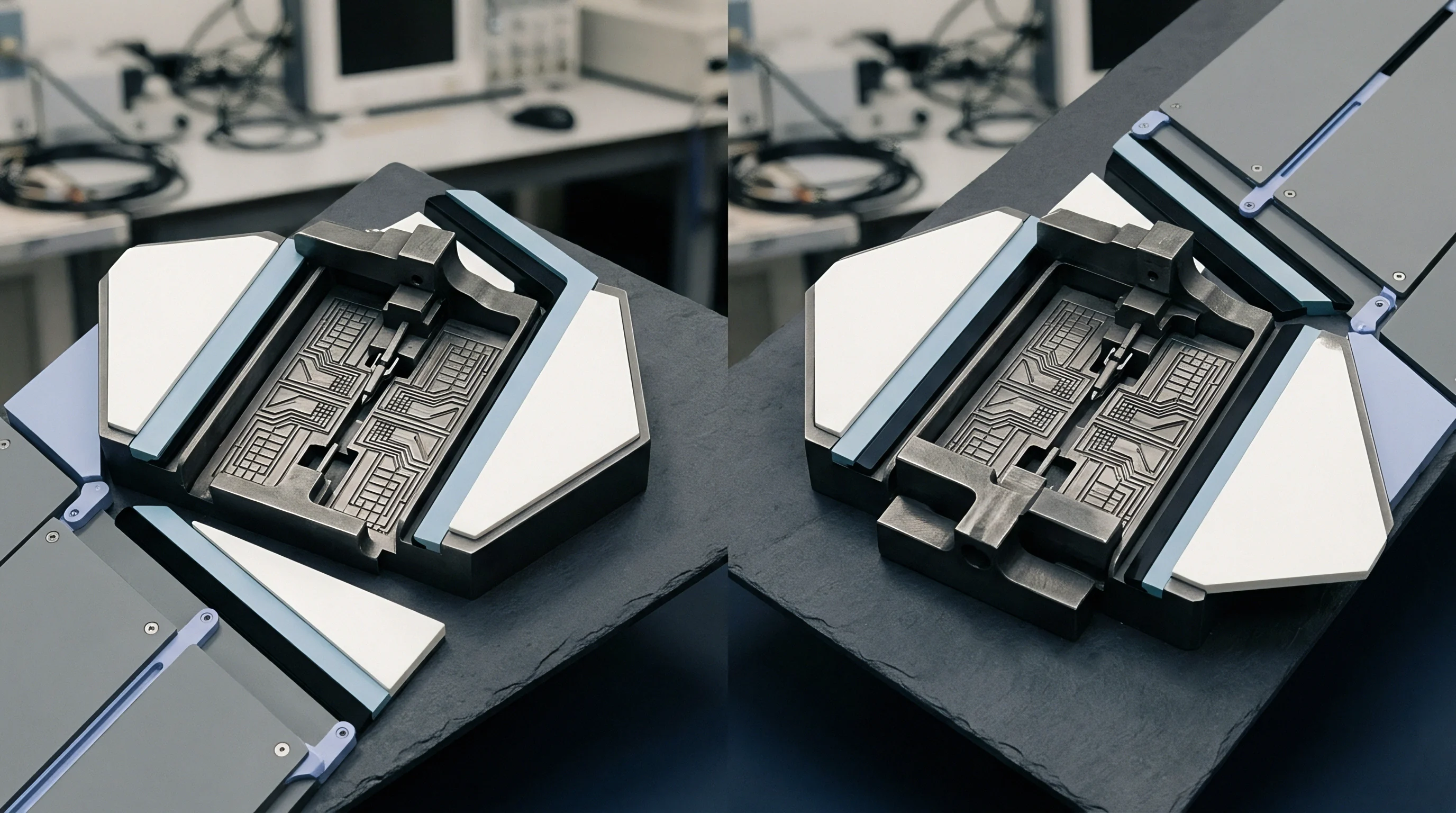
Tooling assets and test infrastructure often become high-leverage friction points during contract termination. Injection molds, SMT solder stencils, bed-of-nails test jigs, and automated optical inspection parameters demand substantial non-recurring engineering investment. Even when a buyer pays for tooling upfront under dedicated non-recurring engineering invoices, physical custody remains inside the plant.
If a billing dispute breaks out, manufacturers frequently withhold custom tooling alongside component stock, blocking the buyer from moving production to an alternative facility.

When Does Title Pass during Sub-Assembly Operations?
Title transfer for custom tooling depends on contractually defined milestones rather than payment receipts alone. Contract manufacturers frequently insert clauses stipulating that title to custom jigs and molds stays with the factory until the buyer completes a minimum order volume commitment. Under these terms, paying upfront engineering fees grants the buyer an exclusive license to use the tooling rather than legal ownership.
If a dispute occurs before reaching that volume threshold, the factory can exercise its possessory lien to prevent removal.
| Asset Type | Capital Source | Title Ownership Standard | Possessory Lien Risk |
|---|---|---|---|
| SMT Stencils | Buyer Paid NRE | OEM upon full payment | High (physically locked at factory) |
| Custom Test Jigs (FCT) | Buyer Paid NRE | OEM upon acceptance test | Severe (contains proprietary firmware) |
| Injection Molds | Amortized in Unit Price | CM until volume threshold met | Extreme (held by tier-two molder) |
| AOI Parameter Files | CM Engineering Scope | CM proprietary work asset | Moderate (non-transferable code) |
Extracting physical tooling requires clear title documentation and explicit severance clauses in the master services agreement. When custom bed-of-nails functional test fixtures remain locked inside a plant during a dispute, bringing up a secondary manufacturing site can take months of redesign, recalibration, and test software re-validation.
Adding ANSI/IPC-AC-62A tooling custody terms to supply agreements prevents contract manufacturers from withholding buyer-funded test fixtures during invoice arbitrations.
- Unclear Tooling Amortization leaves unpaid capital balances that allow contract manufacturers to assert valid possessory liens over injection molds.
- Commingled Jig Assets complicate physical removal when test electronics share structural frames with factory-owned test racks.
- Subcontractor Lien Cascade occurs when second-tier molding shops hold tooling hostage over unpaid tier-one manufacturing invoices.
Without a clear legal separation between tooling ownership and general assembly invoice settlement, a billing dispute can bring production lines to a multi-month halt while the manufacturer retains custom injection molds.

Salvage
Enforcing a possessory lien through inventory liquidation usually reveals a sharp divide between book value and real secondary market yield. Contract manufacturers that seize turnkey inventory following a buyer default discover quickly that specialized electronics lack liquidity. Bespoke printed circuit board assemblies customized for proprietary applications carry virtually zero open-market value.
Unpopulated boards, programmed microcontrollers, and custom application-specific integrated circuits cannot be sold to alternative buyers without deep rework or total destruction of proprietary intellectual property.

Liquidation Realities of Bespoke Assemblies
Secondary market recovery varies sharply depending on the manufacturing stage. Raw passive components, standard power management ICs, and unprogrammed memory chips retain reasonable resale values through broker exchanges. But once components undergo surface-mount soldering onto a custom PCB, the value collapses.
Desoldering integrated circuits introduces thermal stress, degrades lead frames, and invalidates component warranties, rendering reclaimed silicon unacceptable to commercial buyers.
Custom surface-mount assemblies lose nearly all open-market value the moment components meet solder paste on an active production line.
Worked Recovery Arithmetic for Abandoned WIP
Take a turnkey production run of 10,000 custom RF communications modules abandoned by a buyer during a payment default. The bill of materials total stands at $42.00 per unit, comprising $4.50 in bare 6-layer PCBs, $21.50 in passive components and standard silicon, $12.00 in a pre-programmed secure microcontroller, and $4.00 in RF shielding hardware. SMT line processing adds $8.50 per unit in labor and machine overhead, bringing the total contract manufacturer exposure to $50.50 per unit, or $505,000 for the full batch.
| Inventory Stage | BOM Acquisition Cost | Liquidation Channel | Net Recovery Rate |
|---|---|---|---|
| Unpopulated PCBs | $45,000 | E-Waste Scrap Metal Refining | 1.2% |
| Raw Passives & Silicon | $215,000 | Broker Excess Stock Sale | 38.0% |
| Populated WIP (No Keys) | $380,000 | Component Reclamation Desoldering | 4.5% |
| Programmed Finished Goods | $505,000 | Grey Market Liquidation | 0.0% |
Liquidation yields rarely cover the manufacturer’s balance sheet exposure. E-waste refiners pay only for precious metals embedded in PCB plating and component leads, returning pennies on the dollar spent during procurement. Foreclosing on a possessory lien yields minimal monetary recovery, turning the lien into a coercive negotiating leverage point rather than a viable mechanism for debt satisfaction.
Standard UCC Section 9-610 commercial reasonableness requirements invalidate inventory fire sales when contract manufacturers sell custom microcontrollers below component scrap value without notifying the primary secured lender.
Contract manufacturers routinely argue that withholding finished assemblies remains their sole effective leverage because custom circuit boards carry zero liquidation value on the open broker market.


Firmware
Digital asset controls act as an effective physical lock on hardware during contractual defaults. Modern turnkey assembly relies on flashing bootloaders, security certificates, binary images, and MAC addresses onto microcontrollers during in-circuit testing. Even if a buyer uses legal mechanisms to recover physical boards, those assemblies remain useless if the manufacturer holds back proprietary firmware binaries, cryptographic flashing keys, or test station provisioning parameters.

Cryptographic Provisioning as Informal Administrative Control
Factory line flashing routines tie physical hardware directly to digital key infrastructure. During automated testing, the manufacturing execution system pulls cryptographic identity keys from a secure hardware module and writes them to the microcontroller’s one-time programmable memory. If a possessory lien dispute halts production mid-run, disconnecting the provisioning server leaves populated boards without the cryptographic identities needed to boot or connect to cloud infrastructure.
Physical custody of unprovisioned silicon offers negligible utility when production cryptographic keys remain locked inside factory hardware security modules.

Source Code Escrow and Binary Decommissioning
Maintaining software continuity requires keeping build environments independent of factory hardware. When contracts fail to specify source code and binary handling during factory termination, manufacturers treat compiled binaries and line-flashing routines as proprietary shop tools covered by possessory retention rights. Retrieving bare circuit boards without access to calibrated flashing scripts leaves the buyer with un-programmable hardware.
- Execute deposit agreements for compiled hex files and cryptographic key generation tools with neutral third-party escrow agents.
- Mandate offline key injection protocols that allow internal engineering teams to sign binaries independently of factory execution systems.
- Audit production test stations quarterly to confirm that factory line computers do not store sole copies of calibration parameters.
Whether cryptographic key withholding during a possessory lien dispute constitutes lawful asset retention or intentional tortious interference with intangible intellectual property remains an unadjudicated boundary in embedded systems jurisprudence.

Stipulation
Protecting assembly operations against possessory lien assertions demands clear contractual drafting and physical segregation mechanisms. Preventing inventory distraint requires buyers to structure terms that sever legal title from factory possession long before component reels arrive on SMT loading docks. Establishing clear bailment arrangements, executing subordination agreements, and utilizing offsite storage facilities strip contract manufacturers of non-judicial lien remedies.

Drafting Lien Subordination and Segregation Covenants
Master services agreements must explicitly state that raw components, work-in-progress, tooling, and intellectual property remain buyer-owned assets free from factory liens. Language must specify that any possessory lien granted under local law is expressly subordinated to the buyer’s primary security interest. Furthermore, contracts must mandate physical segregation: buyer-funded reels and tooling must carry visible identification tags and sit in dedicated, locked storage cages on the factory floor.
Offsite Inventory Custody and Bailee Intermediaries
Using a third-party logistics provider (3PL) to hold raw component stock outside the contract manufacturer’s physical plant provides a buffer against inventory liens. The 3PL holds raw silicon under a strict tripartite bailee agreement, releasing only daily production quantities to the manufacturing line. If a payment dispute emerges, the manufacturer holds only twenty-four hours worth of work-in-progress, while the bulk component stock remains safe inside the independent warehouse.
Establishing explicit title isolation structures before manufacturing commences provides clear legal protection against factory warehouse lockouts.