Meaning
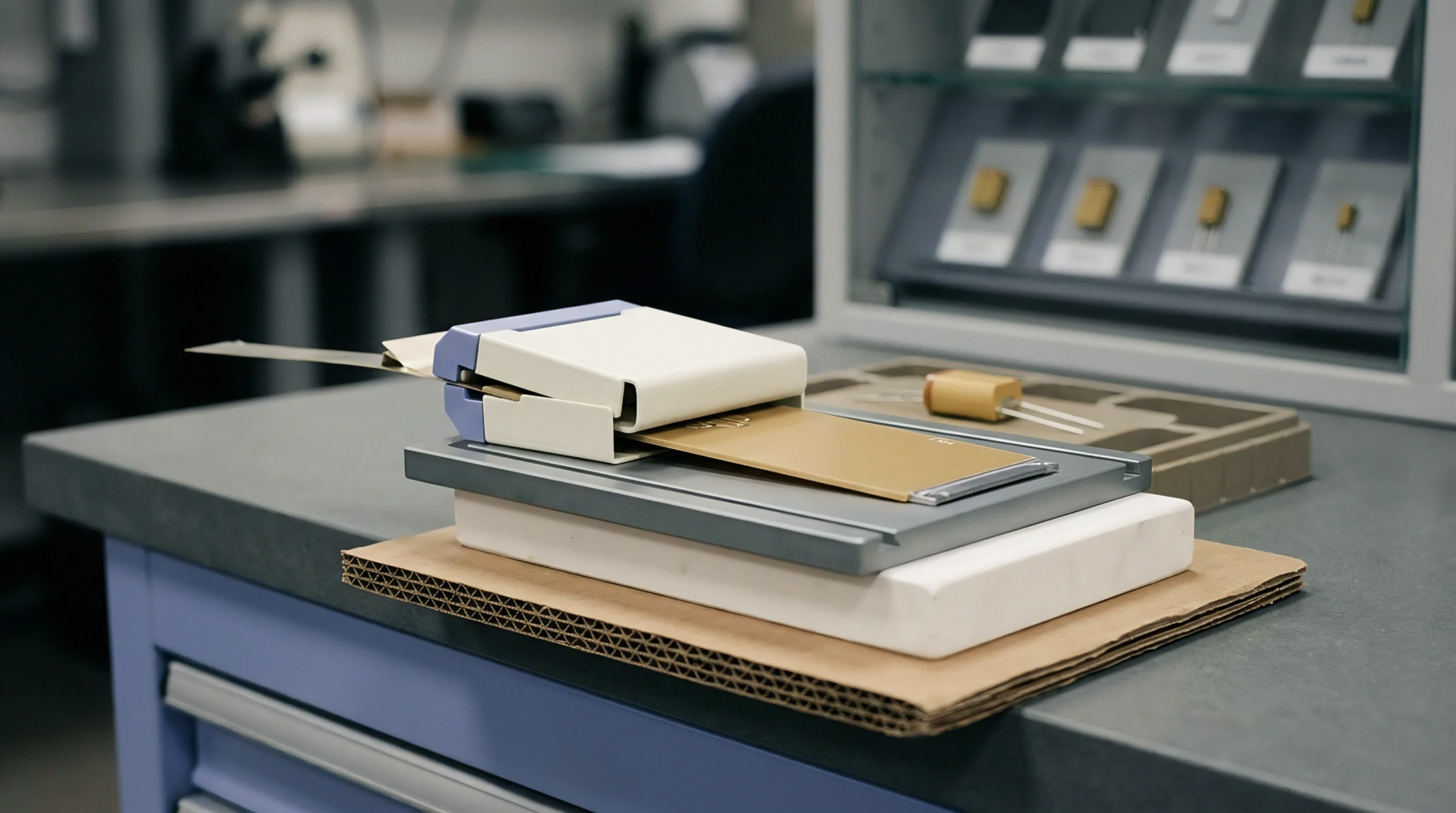
Bed-of-Nails Probing is a parallel electrical test method utilizing an array of spring-loaded pins to contact multiple test points on a printed circuit board simultaneously. This testing apparatus establishes rapid electrical continuity across hundreds of nodes on bare boards or populated assemblies without requiring individual manual probe placement. Physical contact relies on precise mechanical alignment fixtures that press the target circuit against sharpened pin receptacles under calibrated spring tension.
Mechanical Interface
Spring pressure must overcome the opposing forces of copper pads and solder masks while avoiding trace delamination during high-density contact cycles. Fixture designers calculate vertical displacement tolerances to ensure reliable electrical closure across warped substrates without damaging delicate component leads or surface-mount packages. Thermal expansion differentials between phenolic fixture plates and fiberglass circuit boards demand deliberate clearance margins to maintain pin registration across wide operating temperatures.
Electrical Isolation
High-voltage insulation testing during this phase verifies dielectric strength between adjacent conductor planes by applying direct current potentials that exceed nominal operating limits. Parasitic capacitance and lead inductance introduced by the pin array itself can distort high-frequency signal measurements during automated boundary scan procedures. Operators compensate for fixture impedance by calibrating baseline resistance values out of the final pass or fail criteria before production batches enter the test station.
Quality Verification
Production engineers review test coverage reports generated by the fixture to confirm that every internal net connects to the appropriate driver channel on the tester hardware. Fault isolation accuracy depends entirely on correct netlist translation from computer-aided design files into the physical coordinate map of the spring pin array. Defective solder joints and open circuits are isolated immediately before final enclosure assembly locks the electronic modules away from physical touch.