Meaning
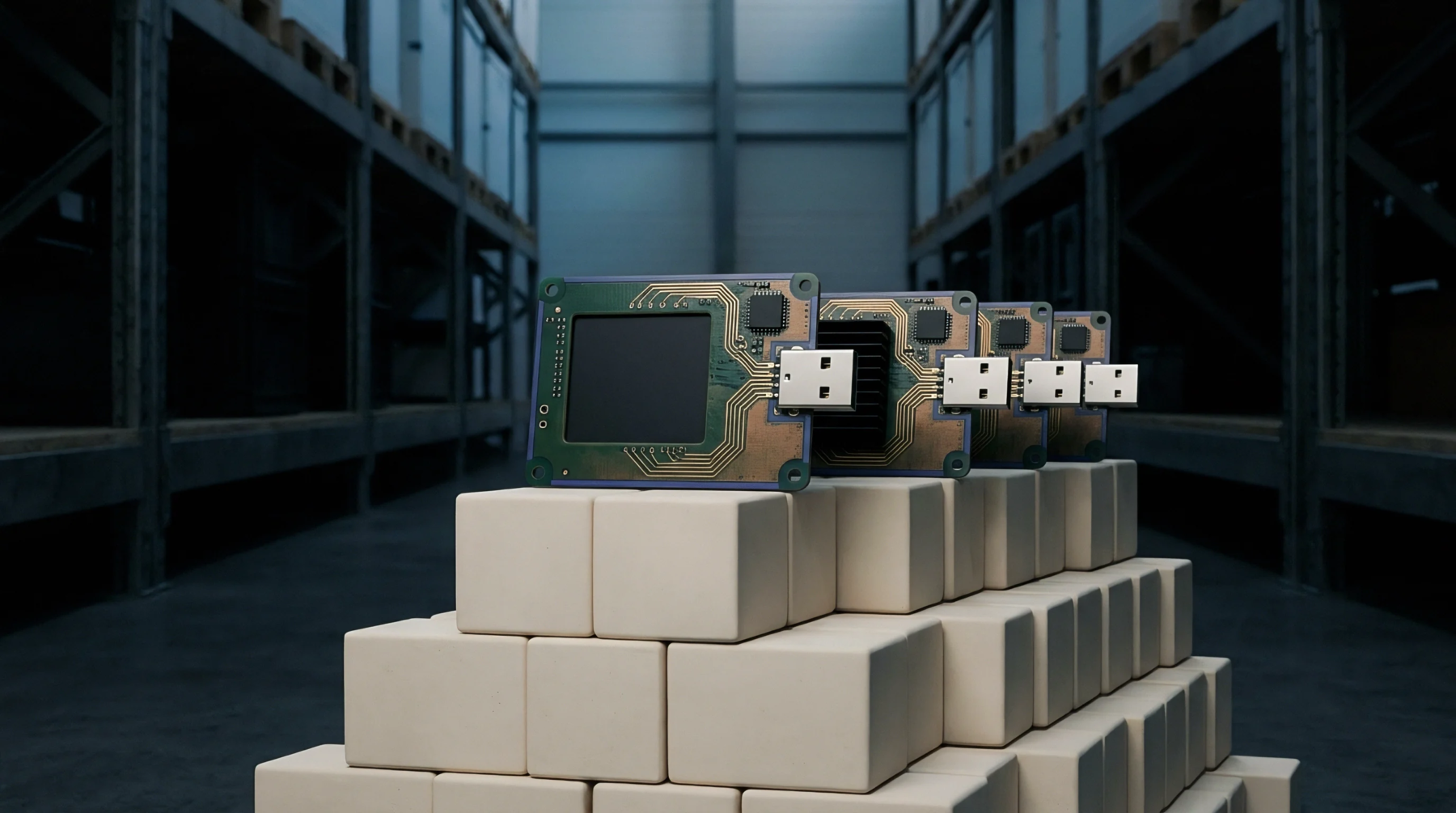
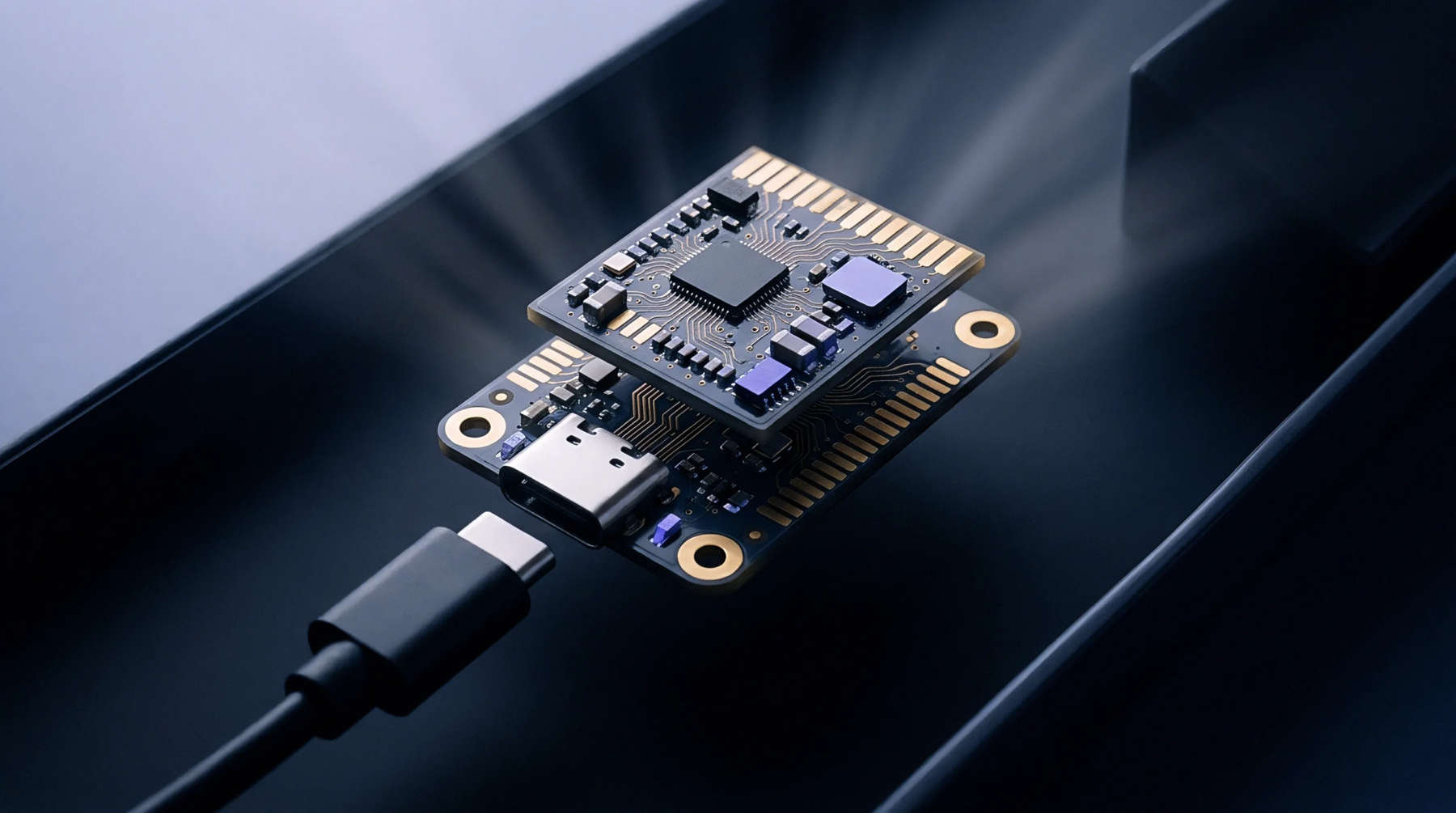
Memory architectures provide two independent storage regions to allow the system to write new firmware while the current version runs. Hardware with dual-bank flash enables a background update process that does not interrupt the primary functions of the device. The system switches between the two banks only after the new software has been fully verified and written to the inactive memory space.
Hardware Redundancy
Internal circuitry manages the mapping of the execution address to either bank zero or bank one. While the application executes code from the first region, the dual-bank flash controller allows the second region to be erased and programmed. This separation ensures that a power failure during the write cycle only affects the pending update and leaves the active system intact.
Update Atomicity
Successful transitions depend on a single pointer change that happens at the end of the installation sequence. Once the dual-bank flash has received the new binary and passed a cyclic redundancy check, the bootloader updates its configuration to point to the new start address. The swap occurs during the next reboot, resulting in a nearly instantaneous transition to the new version.
System Recovery
Reliability increases because the previous known good version remains available in the alternate bank. If the new firmware encounters a critical error, the dual-bank flash allows the bootloader to switch the execution pointer back to the old memory region. This safety mechanism prevents the device from entering an unbootable state after a faulty update.