Meaning
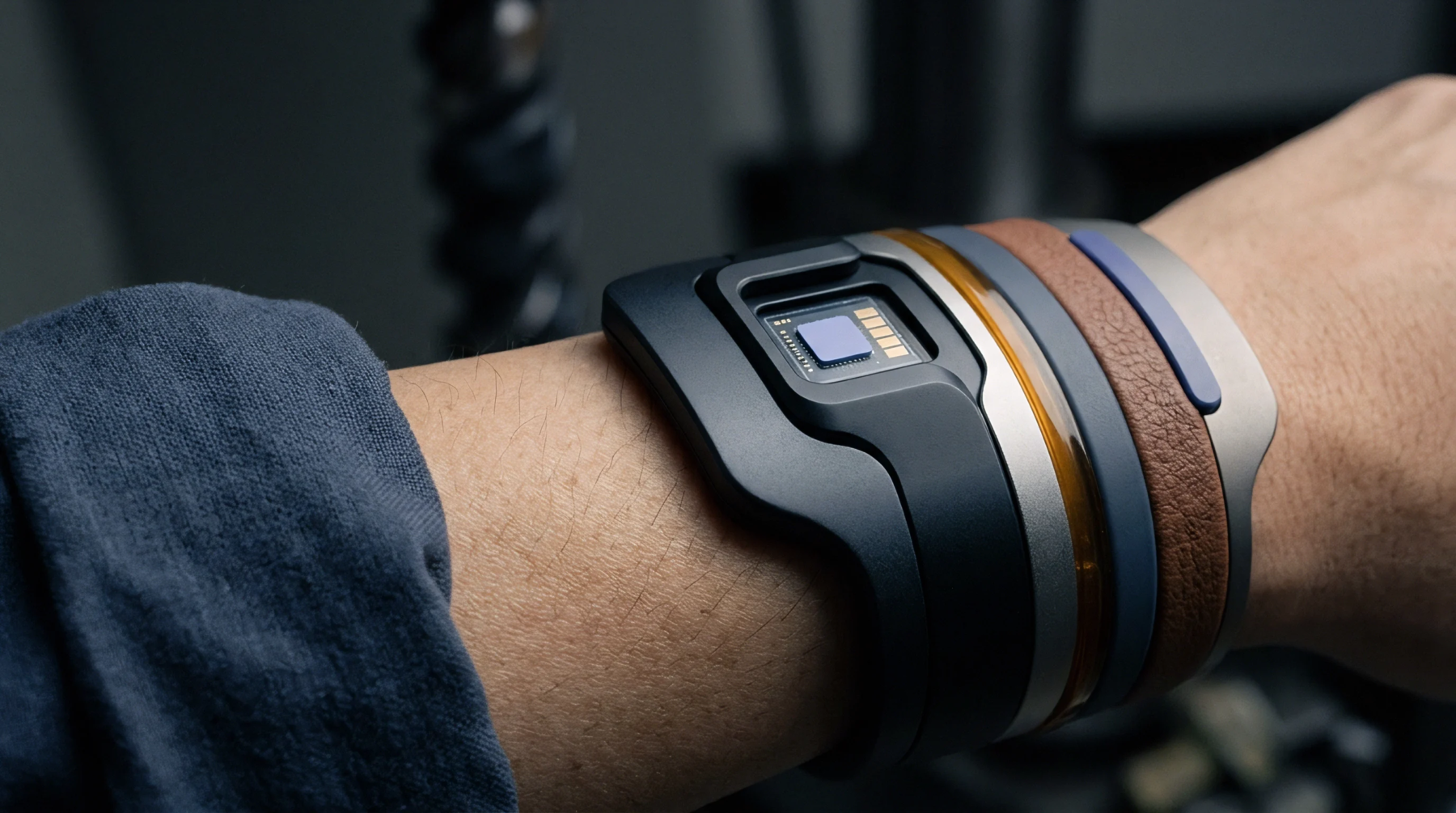
Specific absorption rate evaluation focused on hands, wrists, feet, and ankles defines a distinct safety standard for portable devices. Extremity exposure measures localized radiofrequency energy absorption in human limbs when holding or wearing a transmitting device. The metric governs compliance for smartwatches, handheld controllers and mobile phones used near limbs.
It stops applying when the device operates at distances greater than 20 millimeters from the body or when operating power remains below categorical exclusion thresholds.
Measurement Protocol
Phantom models shaped like human hands assess localized energy absorption during device operation. Robotic probe positioners map electric field distributions inside tissue-equivalent liquid containers. During testing, technicians position the device under test directly against the phantom surface to simulate operational holding conditions.
Test plans mandate evaluations across low, mid, and high radio channels. Measurement software calculates average power absorption over ten grams of tissue.
Regulatory Limit
Regulatory standards impose higher allowable SAR limits on limbs compared to head and torso evaluations. The Federal Communications Commission and International Commission on Non-Ionizing Radiation Protection set the extremity threshold at 4.0 watts per kilogram averaged over 10 grams of tissue. Higher energy density is permitted in extremities due to reduced biological sensitivity compared to vital organs.
Passing this requirement is essential for gaining market authorization for wearable technology.
Module Mitigation
Transceiver power management firmware dynamically scales radio output based on hand contact triggers. Integrated sensor algorithms determine device orientation to select appropriate antenna elements, preventing localized hotspots without compromising link budget during normal operation.