
Aligning Radio Equipment Marking Directives with Custom Subassembly Import Clearance
Aligning subassembly marking with customs clearance requires verified modular grants, HTS accuracy, and explicit OEM assembly declarations on import manifests.
Aligning subassembly marking with customs clearance requires verified modular grants, HTS accuracy, and explicit OEM assembly declarations on import manifests.

Reconciling customs valuations with equipment authorizations requires aligning declared assist costs and firmware versions with accredited test configurations.

Firmware flashing in-country fails to shift customs country of origin for assembled hardware, requiring foreign origin declarations while enabling non-dutiable software deductions.

Stochastic landed cost models dictate dynamic allocation of module assembly volume across bonded regions to neutralize ocean freight spikes and sudden tariff jumps.

Reconciling customs import valuations with radio type approval scopes requires aligning declared hardware assists and software royalties with granted technical limits.
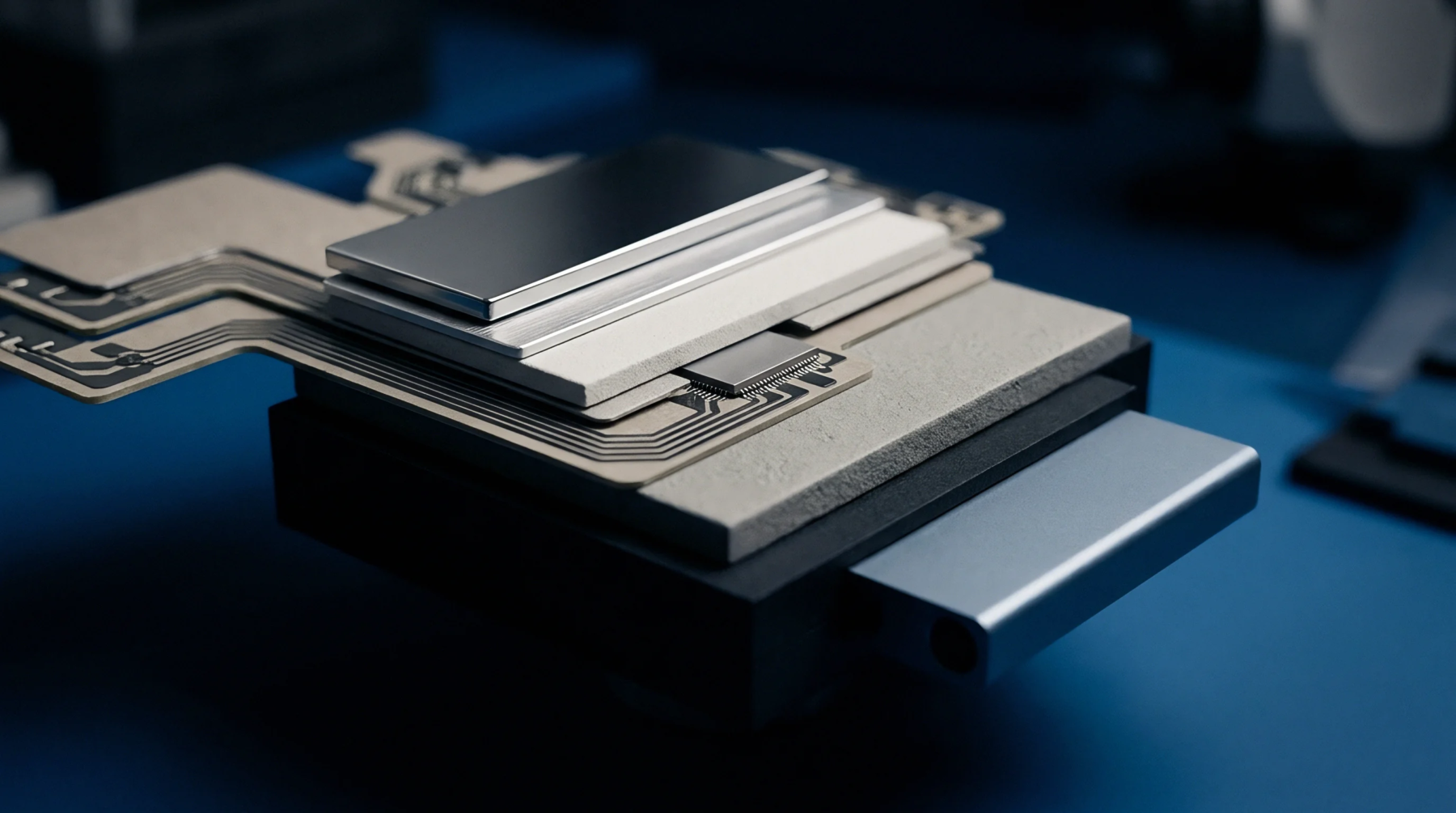
Radio module customs entry hinges on technical self-sufficiency under HTS 8517.62 versus component IC rules under 8542.31 to avoid import delays.

Cross-referencing transport manifests against radio equipment grants and physical silkscreen labels prevents port holds and demurrage charges.
Expertise is a utility, not a secret. sentiention™ publishes its working knowledge as open reference: intelligence layer covering the materials it sources, the markets it enters, and the reference that serves both.