Meaning
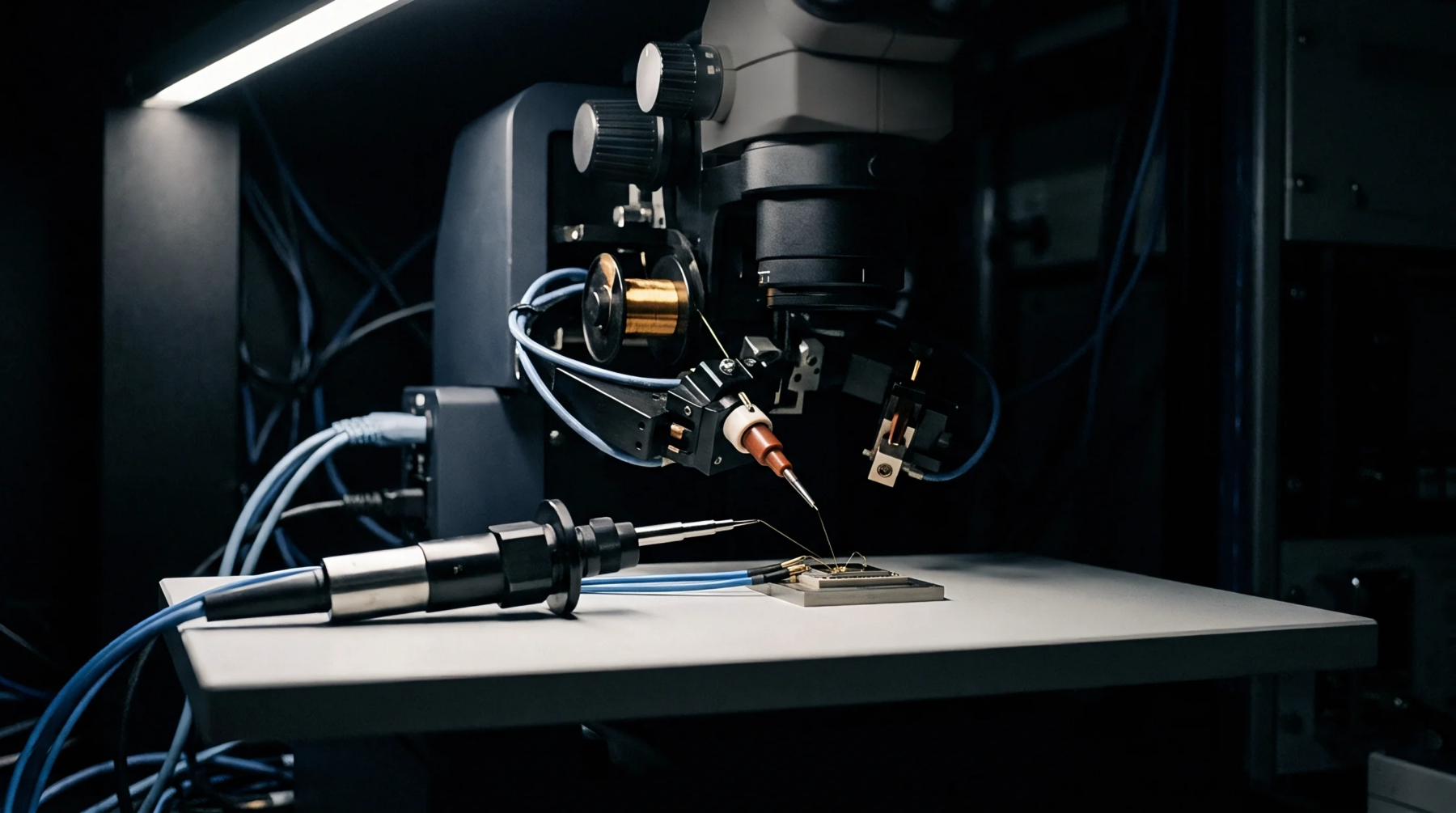
Thermal interface resistance depends heavily on microscopic surface imperfections that prevent complete physical union between mated metal boundaries. Micro-asperity contact describes the localized physical bridging occurring exclusively at the highest peaks of opposing rough surfaces under mechanical clamping pressure. Air gaps dominate the intervening valleys because macroscopic flatness conceals microscopic topology.
Real area of load-bearing engagement usually constitutes a small fraction of nominal surface area. Heat transfer across this junction relies on constriction resistance through solid pathways alongside conduction or radiation through trapped interstitial fluids.
Interface Pressure
Clamping force applied during final assembly determines the deformation mode of colliding surface peaks. Elastic flattening occurs at lower torque values where asperities retain recoverable spring characteristics. Plastic yielding dominates when applied stress exceeds the yield strength of the softer mating material.
Permanent deformation flattens taller peaks and increases true contact area. Thermal impedance drops accordingly as solid conduction paths multiply across the boundary.
Interstitial Void
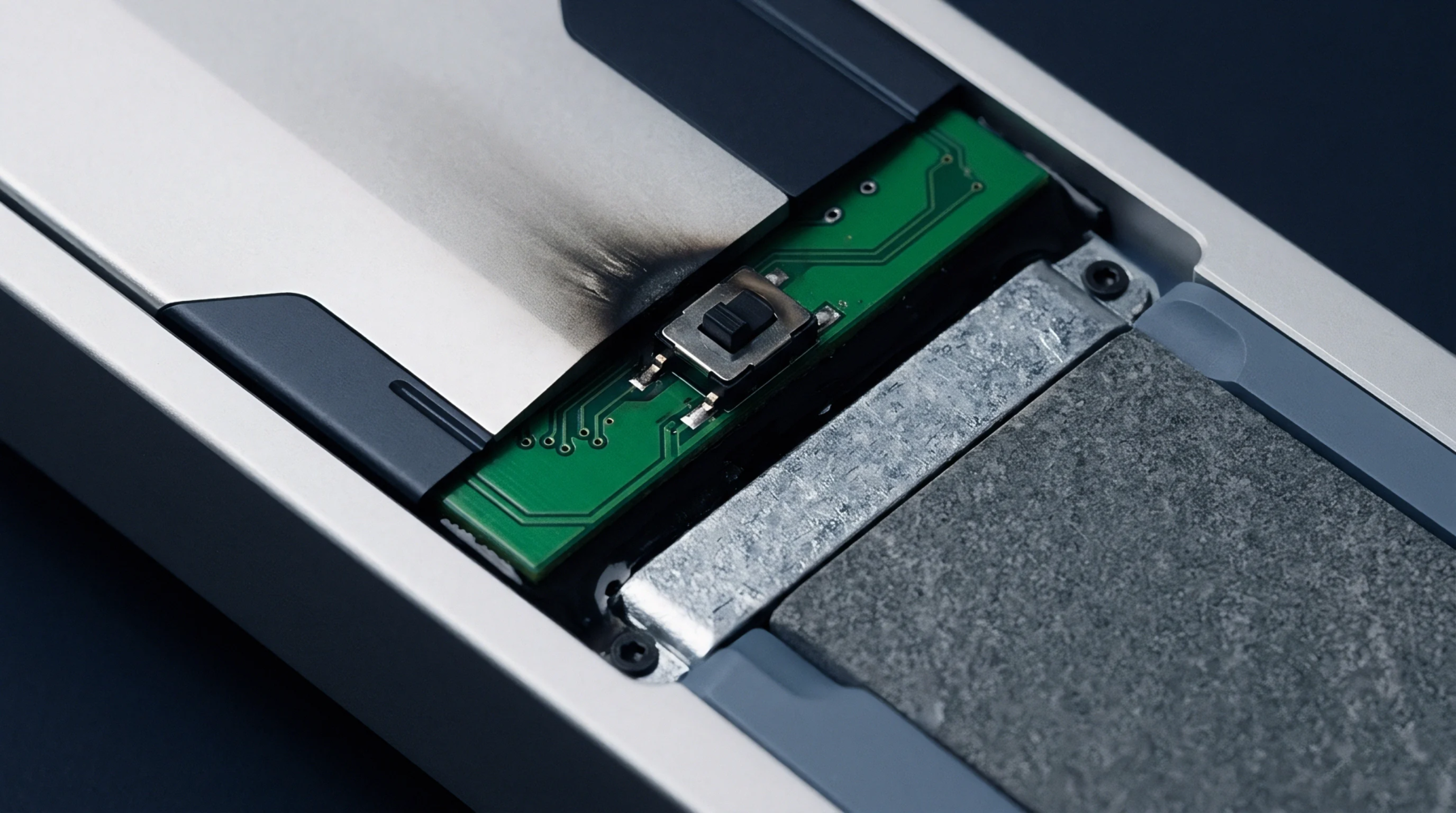
Evacuated cavities between non-contacting peaks trap ambient gases that impede conductive heat flux. Low thermal conductivity of trapped air creates high localized temperature drops across the joint. Thermal grease or phase change materials displace this air during final torque application.
Fluid media possess higher conductivity than air but lower than bulk aluminum or copper substrates. Filling valleys improves overall joint conductance without requiring unattainable surface mirror finishes.
Assembly Qualification
Production handovers require thermal transient testing to verify that assembled enclosures meet internal semiconductor junction temperature limits. Destructive cross-sectioning analysis of prototype joints confirms whether clamping torque achieves sufficient peak crushing. Manufacturing engineers measure surface roughness parameters on incoming heat sinks before applying thermal interface materials.
Production lines monitor fastener torque consistency to maintain repeatable boundary conductance across manufacturing lots. Final acceptance rests on thermal performance under maximum rated electrical load rather than visual inspection alone.