Meaning
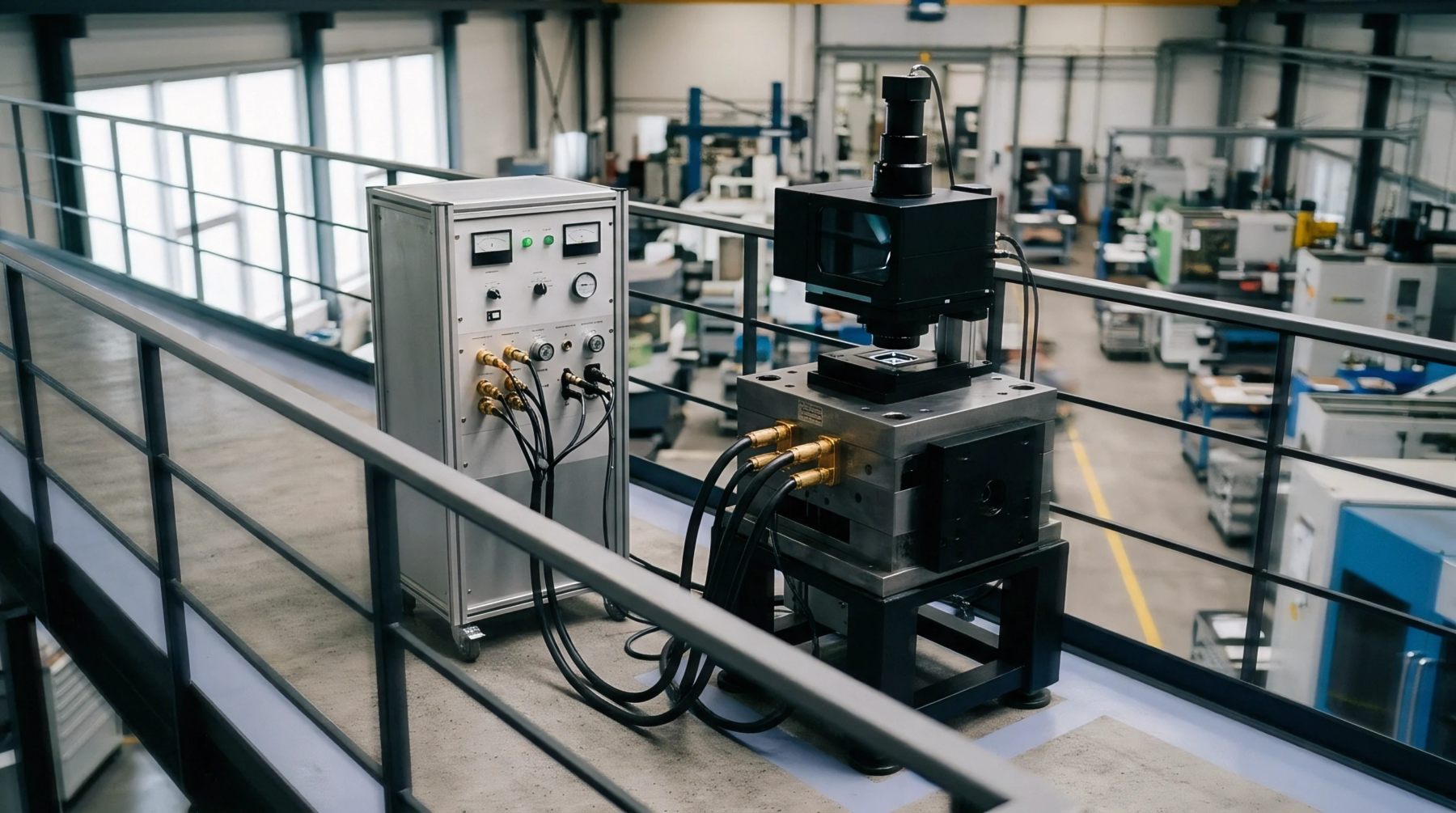
Passive photonics requires a fixed spatial separation between input ports and output ports to govern radio frequency phase stability during thermal drift. An optical delay line routes modulated laser signals through coiled fibre spools or planar waveguide arrays to introduce a predictable temporal offset. This architecture compensates for latency mismatches inside phased array radar calibration benches and wideband receiver front ends.
Thermal Drift
Enclosure design limits dimensional expansion across the spool assembly by anchoring the assembly to a low expansion baseplate. Temperature coefficients alter the refractive index of silica core materials at a rate measured in parts per million per degree Celsius. Calibration logs record the round trip transit time across standard temperature extremes to establish compensation tables for the host system controller.
Insertion Loss
Signal degradation accumulates as light traverses kilometre scale fibre lengths inside high density module housings. Connector end face reflections and splice scattering compound the baseline attenuation imposed by material absorption bands at standard telecommunication wavelengths. System integrators verify link budgets by measuring optical return loss values before signing off on final assembly handover dockets.
Mechanical Envelope
Casing dimensions conform to standard rack mount unit specifications to isolate sensitive optical paths from external shock and vibration loads. Internal dampening elastomers absorb high frequency mechanical resonances that would otherwise modulate phase noise parameters across the transmission band. Final factory qualification tests subject the fully integrated enclosure to random vibration profiles defined by military hardware procurement standards.