Meaning
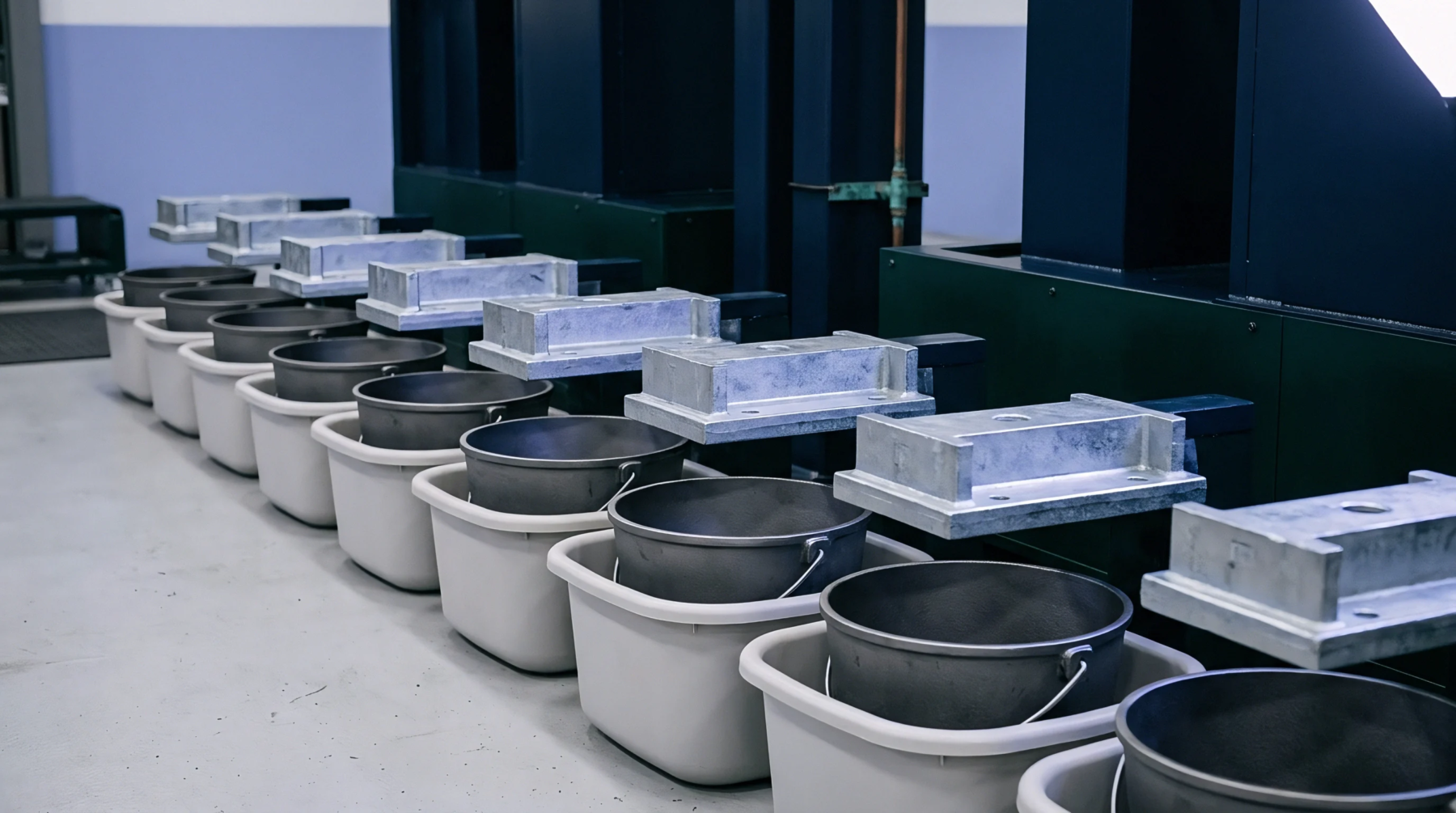
Thermal or mechanical processing removes internal strain energy trapped within metal components from casting or heavy machining operations. Performing residual stress relief involves sub-critical annealing or vibratory conditioning to allow crystal lattices to re-align without altering primary material hardness. The process governs dimensional stability, flatness retention, and warpage control in precision machined electronic chassis.
Application limits apply to fully precipitation-hardened alloys where high-temperature stress relief would over-age the alloy and lower mechanical yield strength.
Relief Mechanism
Elevated temperatures lower material yield strength, allowing micro-yield slip to relieve internal elastic strain energy. Executing residual stress relief through controlled thermal cycles involves heating aluminum components to 150 to 250 degrees Celsius followed by slow furnace cooling. Vibratory stress relief applies sub-resonant mechanical energy to break up stress peaks.
Cryogenic soaking shifts crystal structures to neutralize asymmetric strain.
Dimensional Outcome
Machining operations cut through stress-relieved plate stock without inducing bow or twist distortion. Applying effective residual stress relief guarantees flat contact faces for power module heat sinks. Precision bores retain roundness after removal from milling fixtures.
Long-term spatial stability eliminates post-assembly alignment drift in optical and RF modules. Fastener threads remain true without binding.
Process Limit
Improper furnace cooling ramps reintroduce thermal stresses across thick sections. Excessive thermal exposure degrades temper designations in heat-treatable alloys.