Secondary Manufacturing Bring up Cost Valuation Basics
Secondary manufacturing bring up valuation hinges on itemized fixture tooling, defined debug rates, and explicit scrap liability caps before line transfer.
Bench
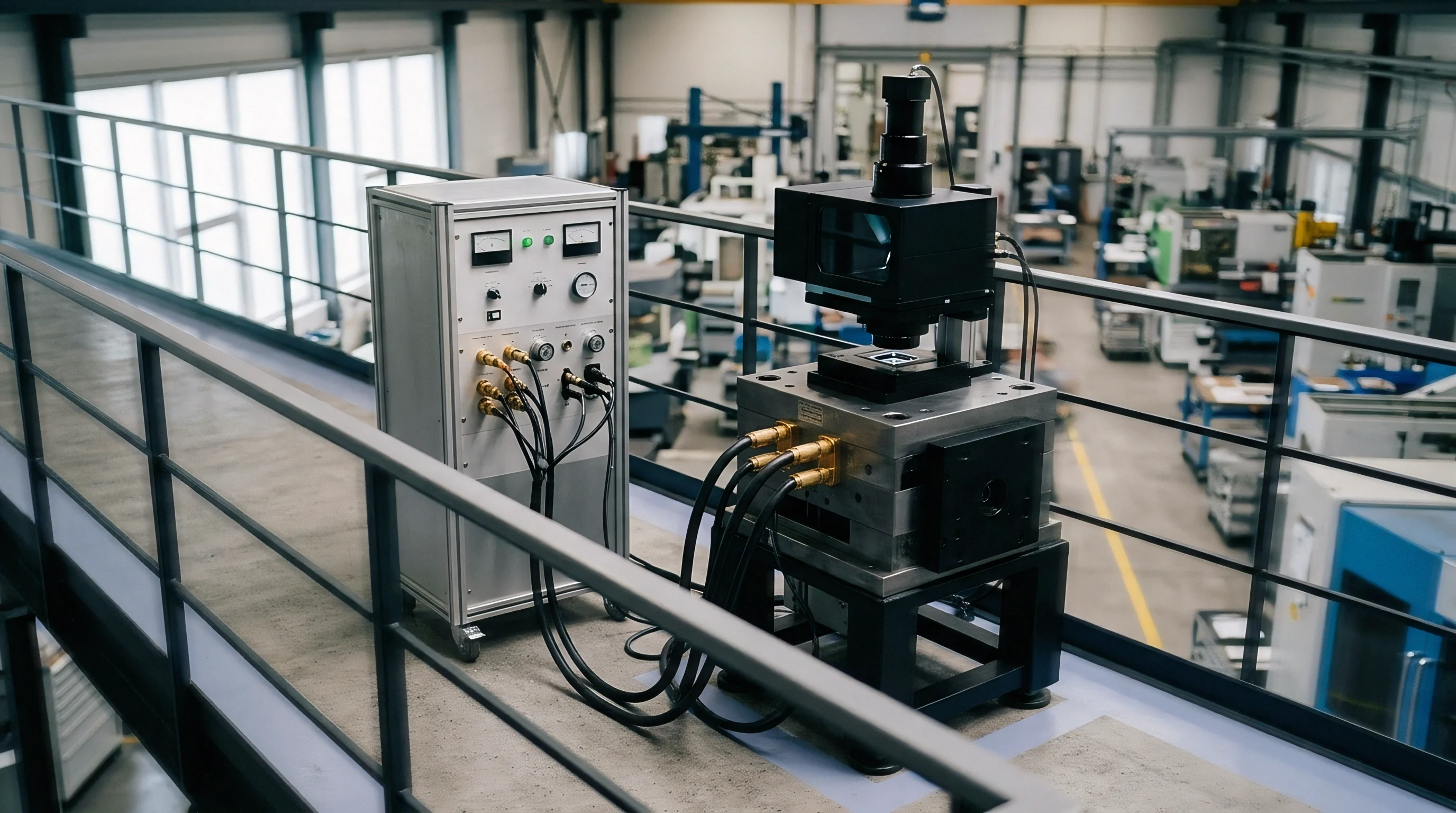
Post-SMT integration lines transform assembled circuit boards into functional sub-assemblies using mechanical enclosure presses, wire routing, and secondary thermal interface material deposition. Bringing up these processes incurs non-recurring engineering expenses for specialized hardware fixtures and custom test stations. As integration shifts from standard surface-mount lines to dedicated box-build cells, engineers must design, fabricate, and calibrate tooling to tight mechanical tolerances, producing key deliverables like pogo pin array plates, custom pneumatic clamps, and secondary optical guidance systems.
Secondary Assembly Line Fixture Architecture
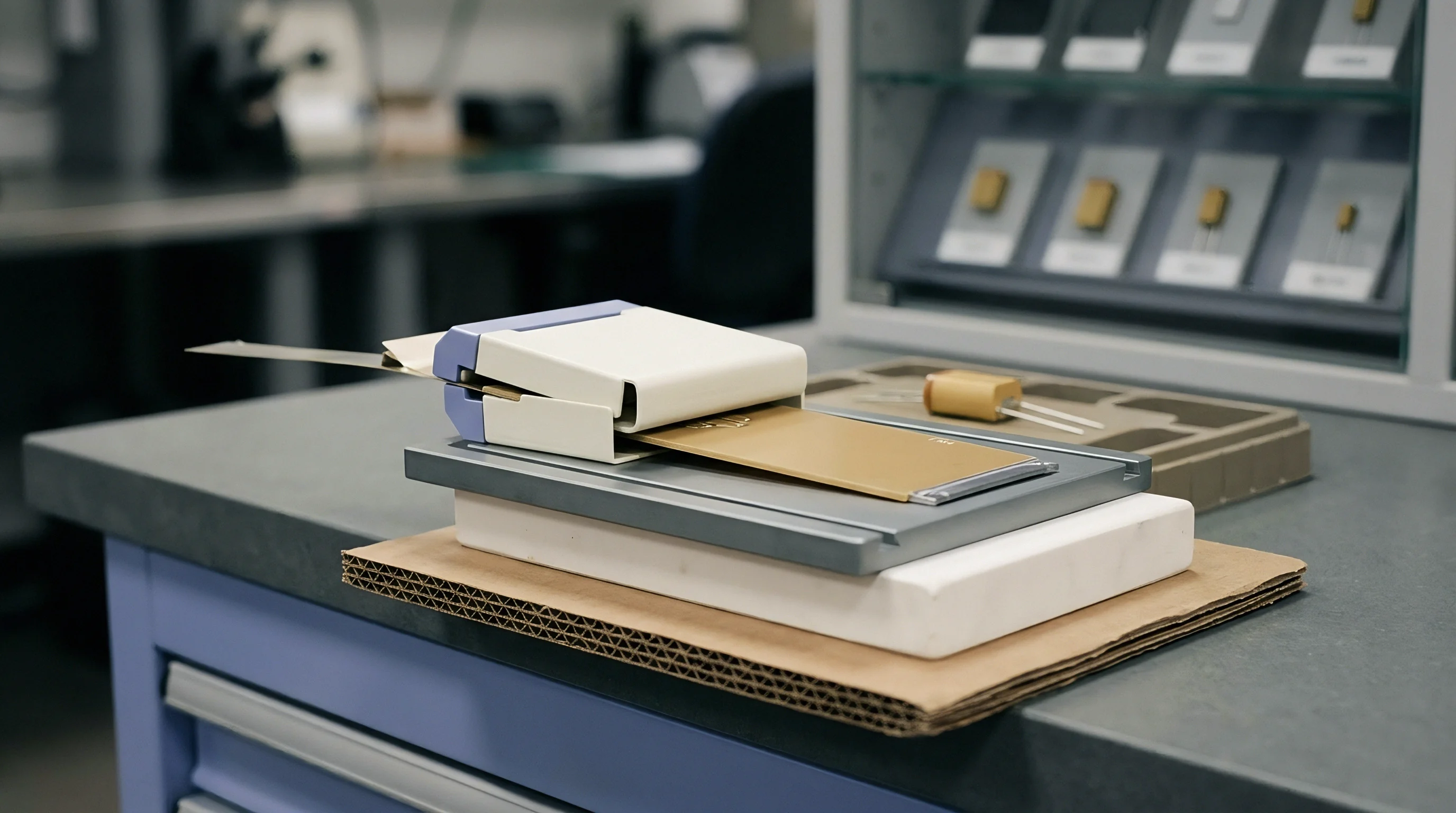
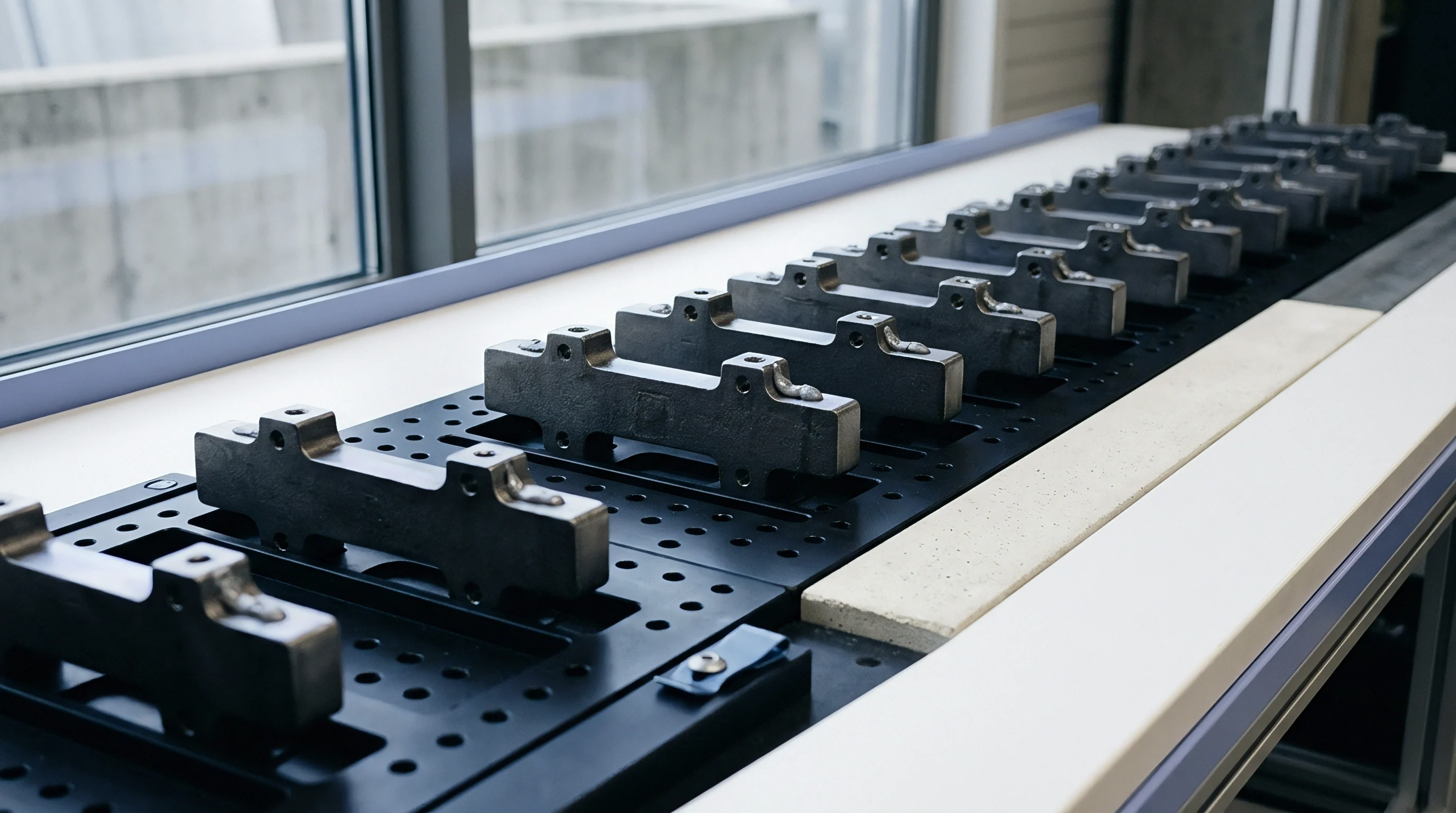
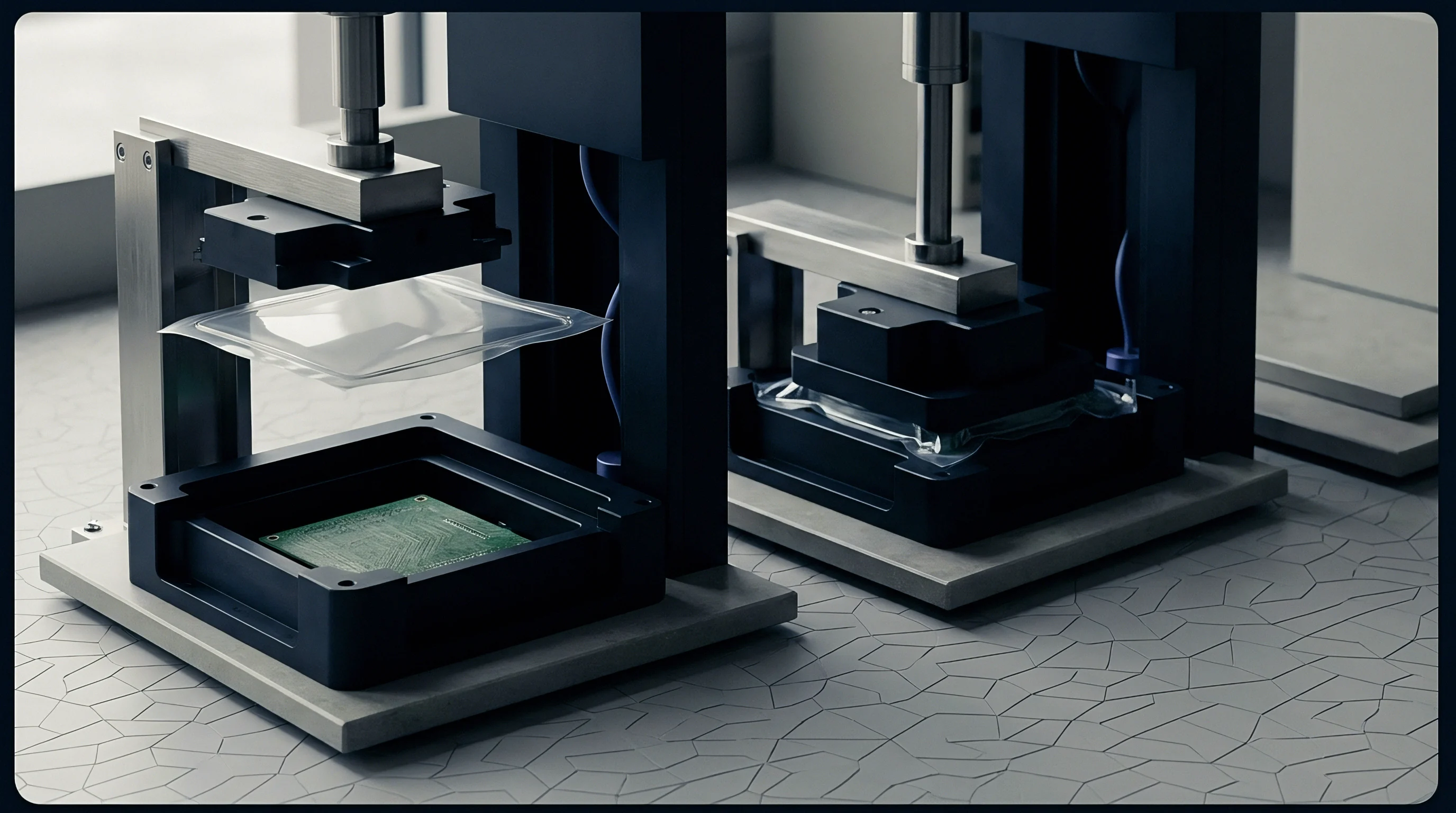
Custom pneumatic frames hold circuit modules within tight physical tolerances as secondary connectors are inserted. For enclosures requiring solvent welding or heat staking, bring-up verification must ensure clamping pressure stays uniform across every corner of the substrate; insufficient fixture rigidity allows PCB flexure that damages inner-layer SMT solder joints. Tooling during this stage also incorporates dedicated wire harness guides to enforce minimum bend radii and keep conductors clear of sharp aluminum edges.
- Custom Bed of Nails Fixtures hold pogo pin blocks in precise alignment with test pads to establish power and debugging channels during initial boot testing.
- Pneumatic Press Heads deliver controlled mechanical downforce to seat daughtercards into rigid backplane headers without flexing fragile PCB traces.
- Automated Optical Inspection Modules inspect secondary solder fillets on surface-mount headers and check structural potting depth across high-voltage isolation barriers.
- Flash Microcontroller Programming Pods load encrypted bootloaders over JTAG or SWD interfaces within a target cycle time under fifteen seconds.
Programming Station Instrumentation Costs
Automated flashing stations write factory keys and calibration tables into non-volatile memory by pairing high-speed programmers with custom signal multiplexers and current-monitoring circuits. Equipment for a dual-socket programming bench runs between 8,000 USD and 25,000 USD depending on whether local hardware security modules are required. Because pogo pins wear rapidly under production volumes, NRE budgets need to account for spare contact pins, replacement socket inserts, and calibration jigs to keep throughput steady.
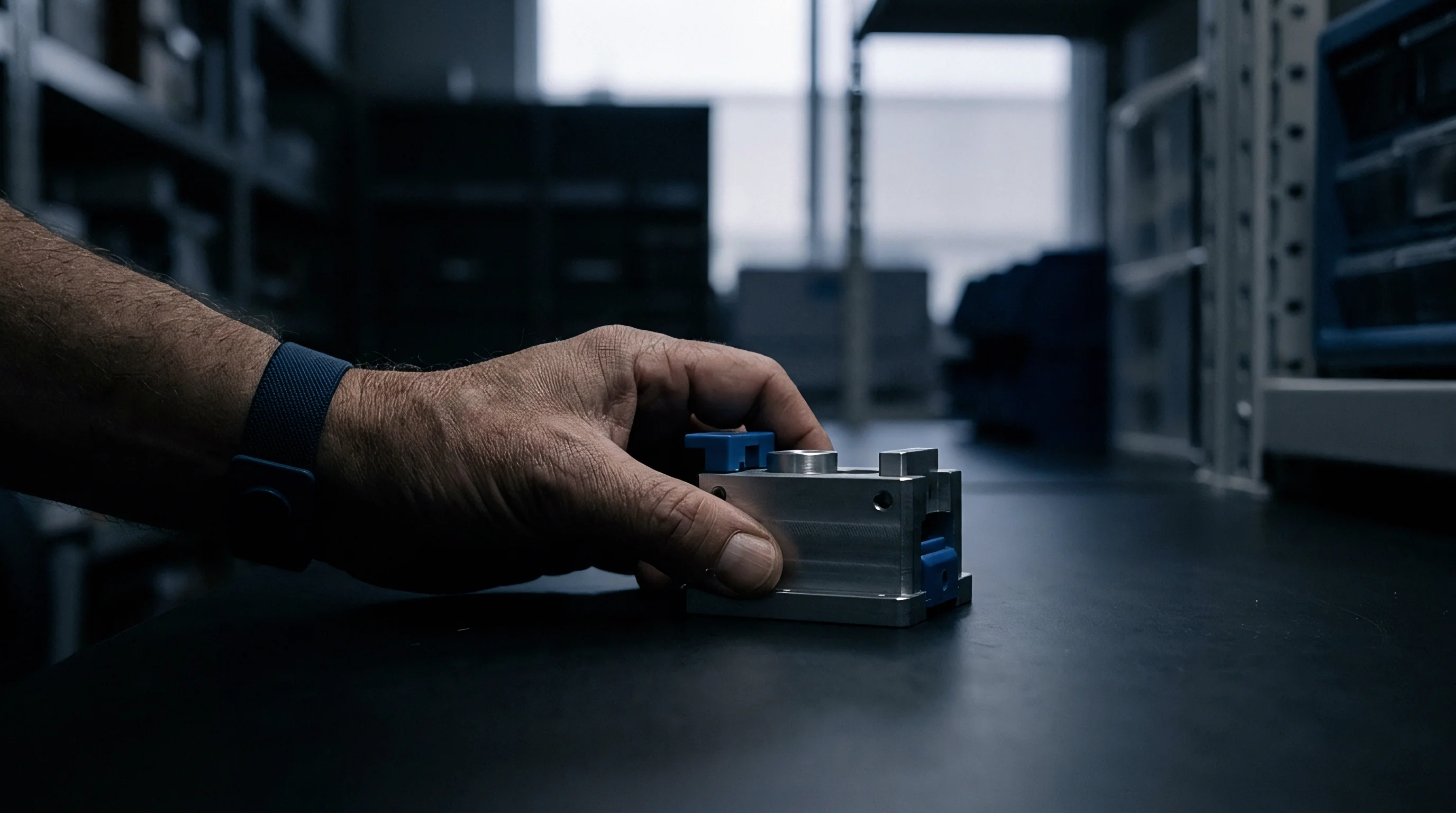
Initial fixture misalignment traces to either customer Gerber footprint discrepancies or factory machining tolerances.
Yield
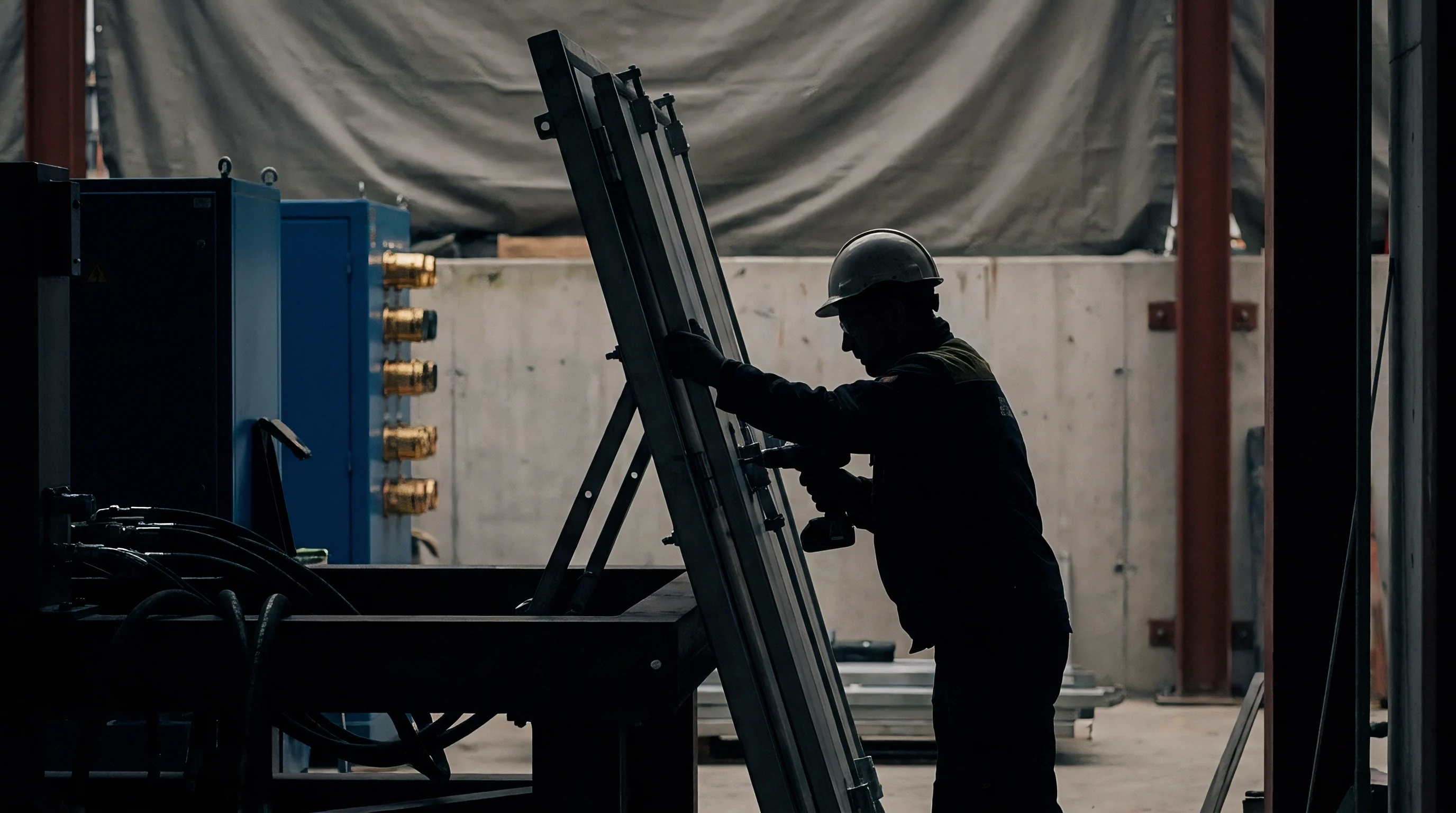
First-pass fallout during secondary production runs typically stems from mechanical over-constraint, mis-routed cable harnesses, and thermal stress during potting cure cycles. Line output rarely reaches steady-state efficiency targets during early bring-up, and improperly accounting for scrapped components at this stage consumes material value while obscuring true manufacturing costs. Lateral stress easily misaligns connectors while manual wiring introduces physical variance, so tracking bring-up scrap requires separating defects coming from the primary SMT line from assembly errors caused by secondary tooling.
Defect Categorization during Line Bring Up
Early ramp data indicates that structural solder joints crack mainly during manual chassis installation rather than automated SMT placement. Excess insertion force on secondary connector housings displaces contacts, resulting in intermittent electrical opens during thermal shock testing. When secondary steps involve liquid silicone or polyurethane encapsulation, unvented potting voids trap moisture and lead to dielectric breakdown during high-potential safety tests.
Secondary bring up scrap rates for multi-layer RF modules average 4.2 percent across initial pre-production lots under IPC Class 2 assembly guidelines.
| Defect Mode | Technical Root Mechanism | Scrap Cost Allocation | Typical Rate Range (%) |
|---|---|---|---|
| Pneumatic header press misaligned relative to alignment pins | Integrator Tooling NRE | 1.2 – 2.8 | |
| Incomplete degassing of two-part polyurethane resin before dispense | Factory Line Scrap | 0.8 – 1.5 | |
| Unsupported PCB flexing during secondary screw insertion | Buyer Design Modification | 0.5 – 2.0 | |
| Voltage drop across long pogo pin power traces during flash programming | Integrator Software NRE | 0.3 – 1.1 |
Misallocating early scrap expenses creates unresolvable billing disputes between module designers and secondary assembly plants.
Labor
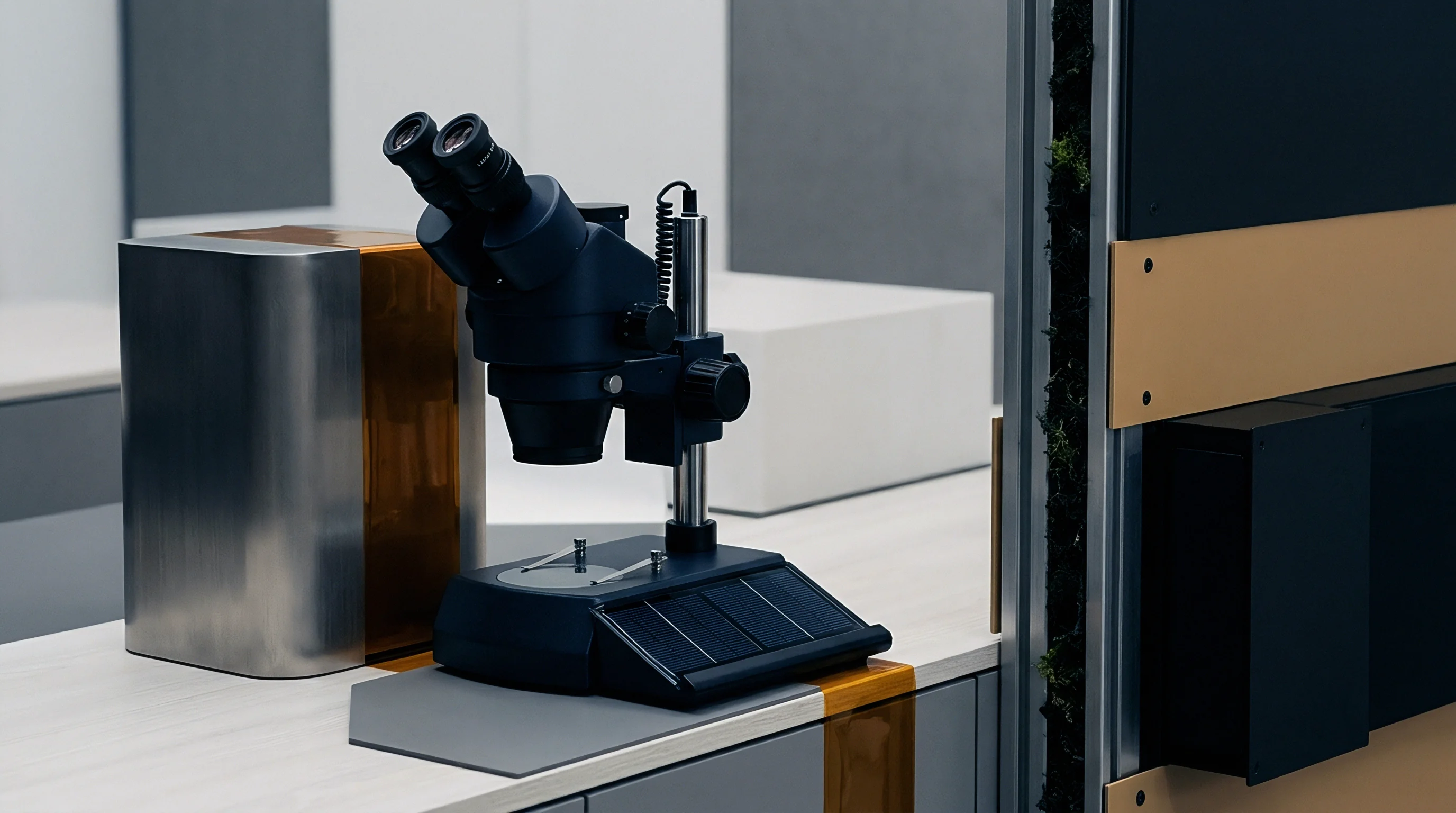
Technical personnel bill bring-up engineering hours across four distinct staff categories during secondary line startup, with rates varying by discipline. Senior embedded software engineers modify automated test sequences and correct key-injection timing errors, while tooling engineers adjust mechanical press stops and shim pneumatic alignment jigs on the plant floor. Quality engineers build sampling plans and inspect first-article sub-assemblies under magnification, while operators train to meet target cycle times on the assembly line.
Engineering Hour Rate Structures and Valuation
Non-recurring engineering charges separate basic line-side technician debugging from specialized embedded software modifications. Direct billing rates for secondary bring-up range from 65 USD per hour for line technicians to 225 USD per hour for senior firmware integration engineers. Evaluating total expenditure requires matching debug time logs against physical milestone markers, while tooling costs demand upfront approval within a standard allocation of 80 to 150 engineering hours per custom line.
Standard manufacturing transfer contracts enforce a twenty percent cap on unbilled engineering debug hours during initial secondary line ramp.
| Resource Role | Direct Rate ($/hr) | Ramp Hour Allocation | Amortized Unit Impact ($) |
|---|---|---|---|
| Combined Total | — | 210 | 12.85 |
| Firmware Integrator | 210 | 50 | 4.20 |
| Tooling Design Engineer | 175 | 60 | 4.20 |
| Quality Assurance Engineer | 140 | 40 | 2.24 |
| Line Technician Debugger | 85 | 60 | 2.04 |
Auditing bring-up charges requires a clear reconciliation procedure to ensure billed engineering hours align with physical deliverables on the line.
- Document initial station cycle times across the first fifty pre-production units to establish a realistic baseline.
- Calculate direct technician debug time spent after clear assembly instructions were delivered to the line.
- Deduct standard operator training allowances from the raw line-modification hours recorded in plant ledgers.
- Reconcile remaining engineering hours against contracted NRE caps prior to approving secondary invoice payments.
Engineering bring-up hours billed without line-side execution logs remain unverified labor expenses.
Audit
Auditing secondary manufacturing charges requires comparing physical line maintenance logs against electronic station access records to verify actual hours spent. When contract manufacturers bill for custom fixture adjustments, auditors cross-check fixture serial numbers against calibration logs, as unverified data gaps increase financial risk. Confirming that non-recurring engineering fees produced production-ready fixtures relies on analyzing test software change logs alongside fixture maintenance schedules.
How Are Debug Hours Validated during Initial Fixture Prototyping?
Engineering logs generate timestamped entries whenever an operator overrides automatic pass criteria on a secondary fixture. Because manual overrides point to unstable test limits or uncalibrated instruments, validating these hours requires matching software exception reports against technician shift cards. If a technician logs forty hours of line-side modifications, the automated test bench logs ought to reflect matching test cycles during those same work windows.
Factory sign-off without third-party fixture validation transfers full yield liability to the module purchaser.
Verification Documentation and Acceptance Criteria
Complete design transfer packages contain board Gerbers, assembly drawings, bills of materials with exact manufacturer part numbers, and test specifications; approving sign-off shifts ongoing liability directly to the buyer. Bring-up remains incomplete until the plant delivers reproducible software build scripts, CAD files for custom fixtures, and complete wiring schematics for every test station. Without these source files, moving secondary assembly to an alternative contract manufacturer is impossible.
- Factory Gerber Files define copper layer stack-ups, drill maps, and impedance notes needed to fabricate secondary interconnect boards.
- 3D CAD Step Models convey exact enclosure geometries and clearance envelopes for secondary mechanical assembly validation.
- Test Firmware Repositories store build scripts, hex binaries, and cryptographic signature keys required for automated flash programming stations.
- Calibration Data Schemas define scalar parameters, offsets, and checksum structures saved into EEPROM during factory bring-up.
Adding IPC-2581 revision C provisions to the assembly agreement ensures that design transfer is considered complete only after all machine-readable test point coordinates are fully delivered.

Ramp
Transitioning a secondary line from initial bring-up to volume production shifts cost accounting from NRE billing to piece-part pricing, with yield targets and firmware stability dictating the timing of commercial handoff. Once the line hits agreed first-pass yield thresholds, NRE accounts close and unit piece-part pricing takes over, directly impacting unit margins through scrap allocation. Managing this shift requires establishing clear yield criteria before releasing the line for full-volume manufacturing.

Commercial Handoff and Warranty Reserves
Warranty reserve funds hold back two to five percent of unit payments until the secondary line achieves steady-state performance across three consecutive production runs. This protects the buyer from latent assembly defects that pass factory testing during initial ramp ~ such as undetected potting stress on micro-coaxial connectors that causes field failures weeks after delivery. Holding back funds through structured escrow maintains commercial leverage, encouraging the factory to resolve process instabilities quickly.
Unresolved firmware exceptions during secondary line bring up inflate field return reserves during full production volume.
Current industry practice leaves open whether secondary contract manufacturers should absorb fixture reset overhead driven by undocumented silicon errata in third-party microcontrollers.