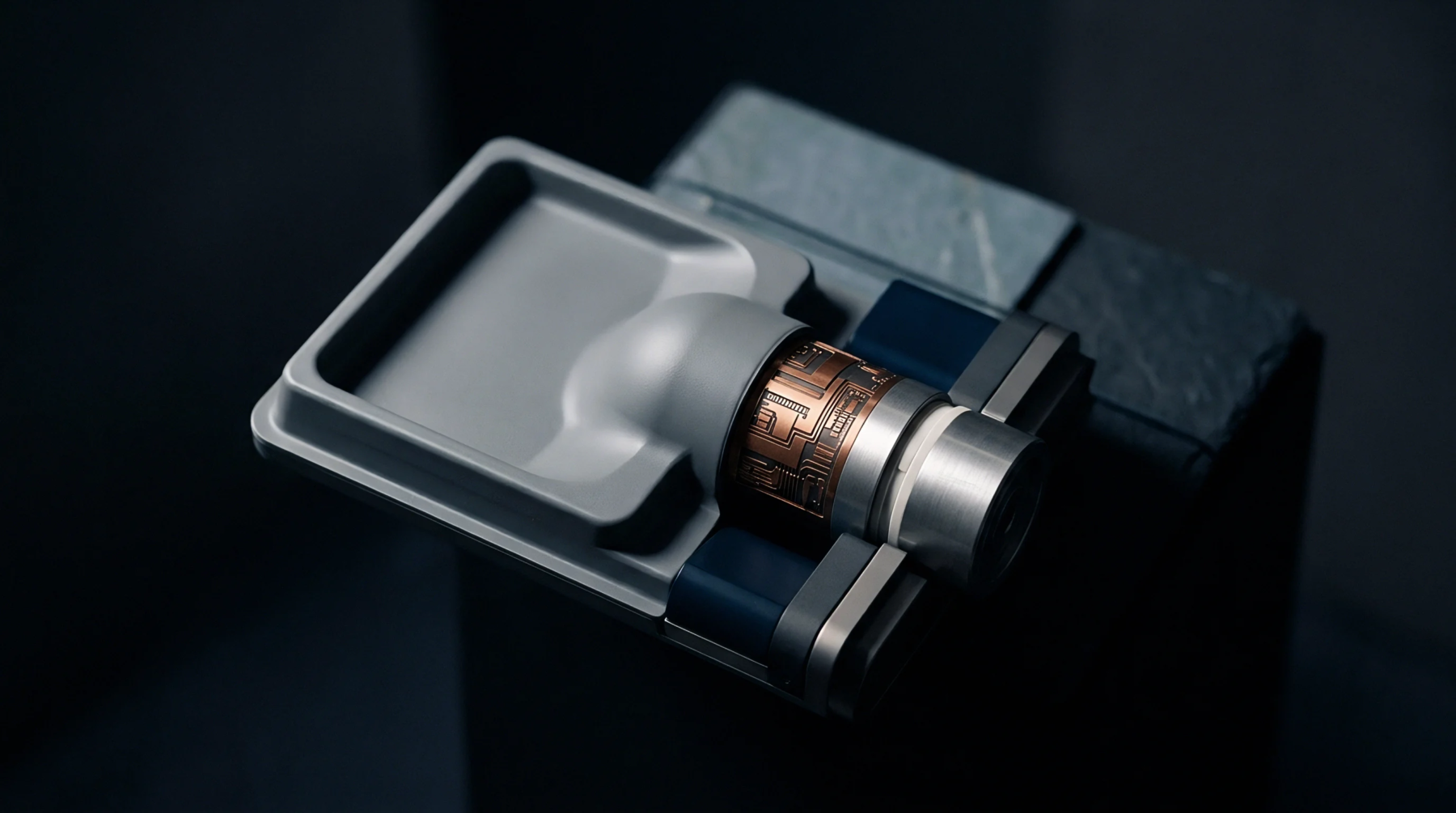
Radiated Spurious Emission Compliance Testing for Altered Host Enclosures and Antennas
Altering host enclosures or antennas invalidates modular radio grants, demanding radiated spurious testing and formal permissive changes before product launch.
Altering host enclosures or antennas invalidates modular radio grants, demanding radiated spurious testing and formal permissive changes before product launch.
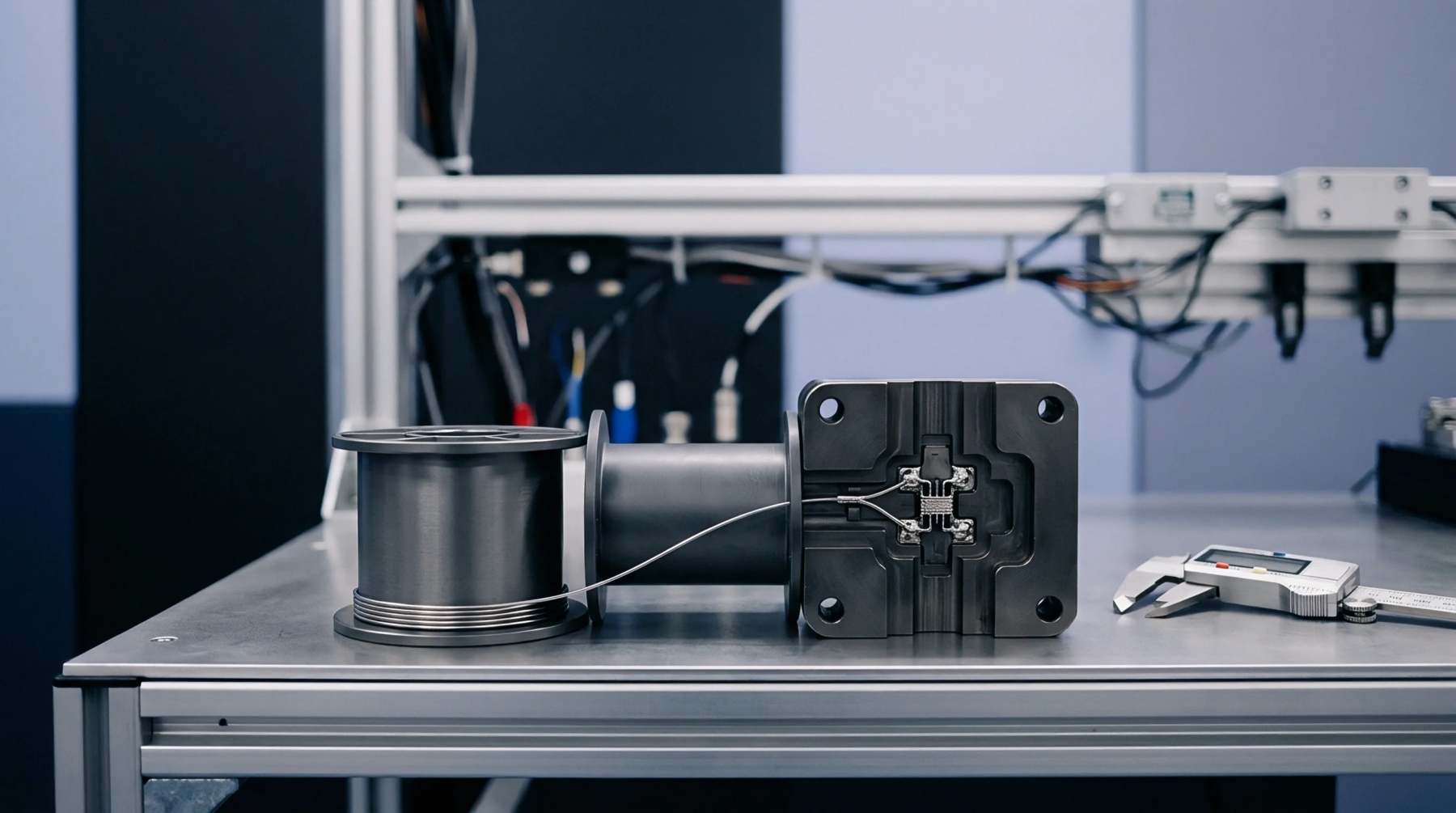
Quantifying pre-scan near-field uncertainty requires combining cavity resonance, probe loading, and phase errors into a formal budget to fix defensible guard bands.

Spatial undersampling above 18 GHz creates 6 dB errors, requiring sub-three-degree test steps and 8 dB design guard bands to ensure market compliance.

Reconciling radiated spurious discrepancies requires isolating setup mechanics, chamber reflection delta, and antenna calibration offsets under bilateral pacts.

Radio measurement uncertainty differences across accredited labs require mandatory 6 dB design guardbands to prevent market surveillance failures.
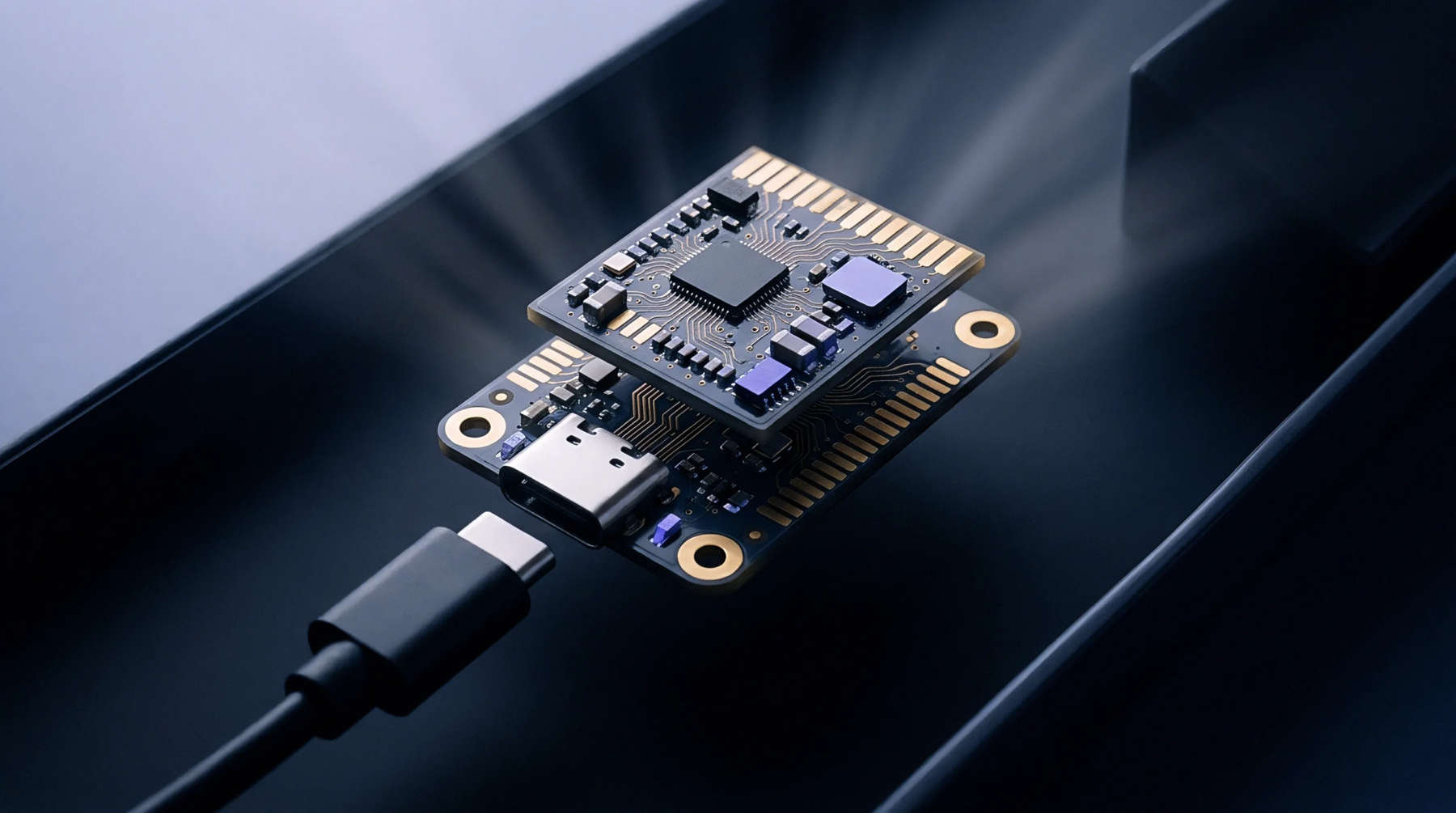
Auditing ISO IEC 17025 test reports against active laboratory scope schedules prevents expensive certification rejections and product market holds.

Unaccredited lab test reports require rigorous audit of calibration chains, resolution bandwidth settings, and firmware parameters to survive regulatory surveillance.
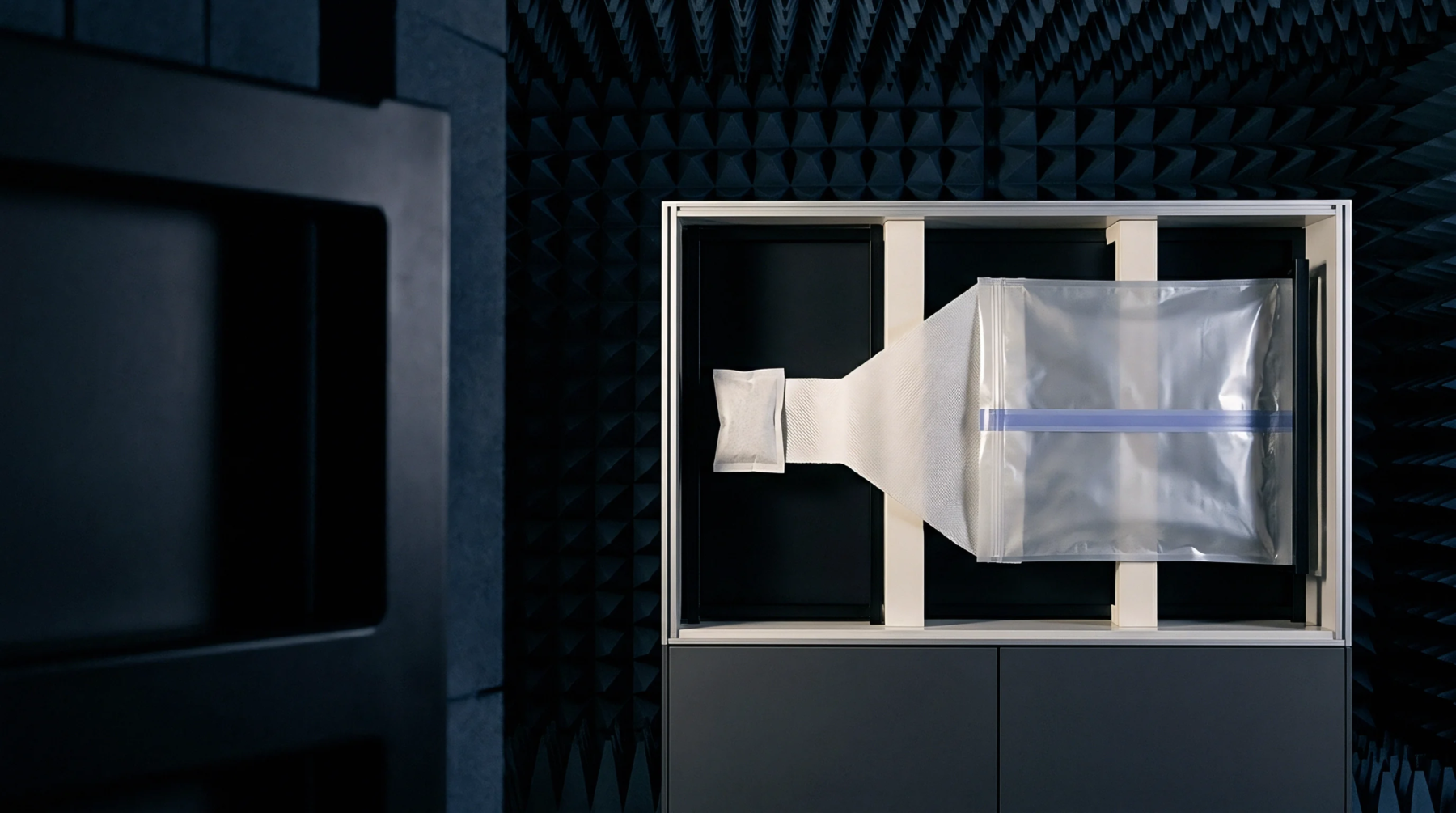
Mathematical transformation matrices reconcile non-anechoic wall reflections into uniform plane-wave profiles, protecting immunity test accuracy and launch schedules.

Auditing test laboratory scopes requires matching exact standard versions, frequency limits, and regulatory recognition before filing market entry applications.
Expertise is a utility, not a secret. sentiention™ publishes its working knowledge as open reference: intelligence layer covering the materials it sources, the markets it enters, and the reference that serves both.