Meaning
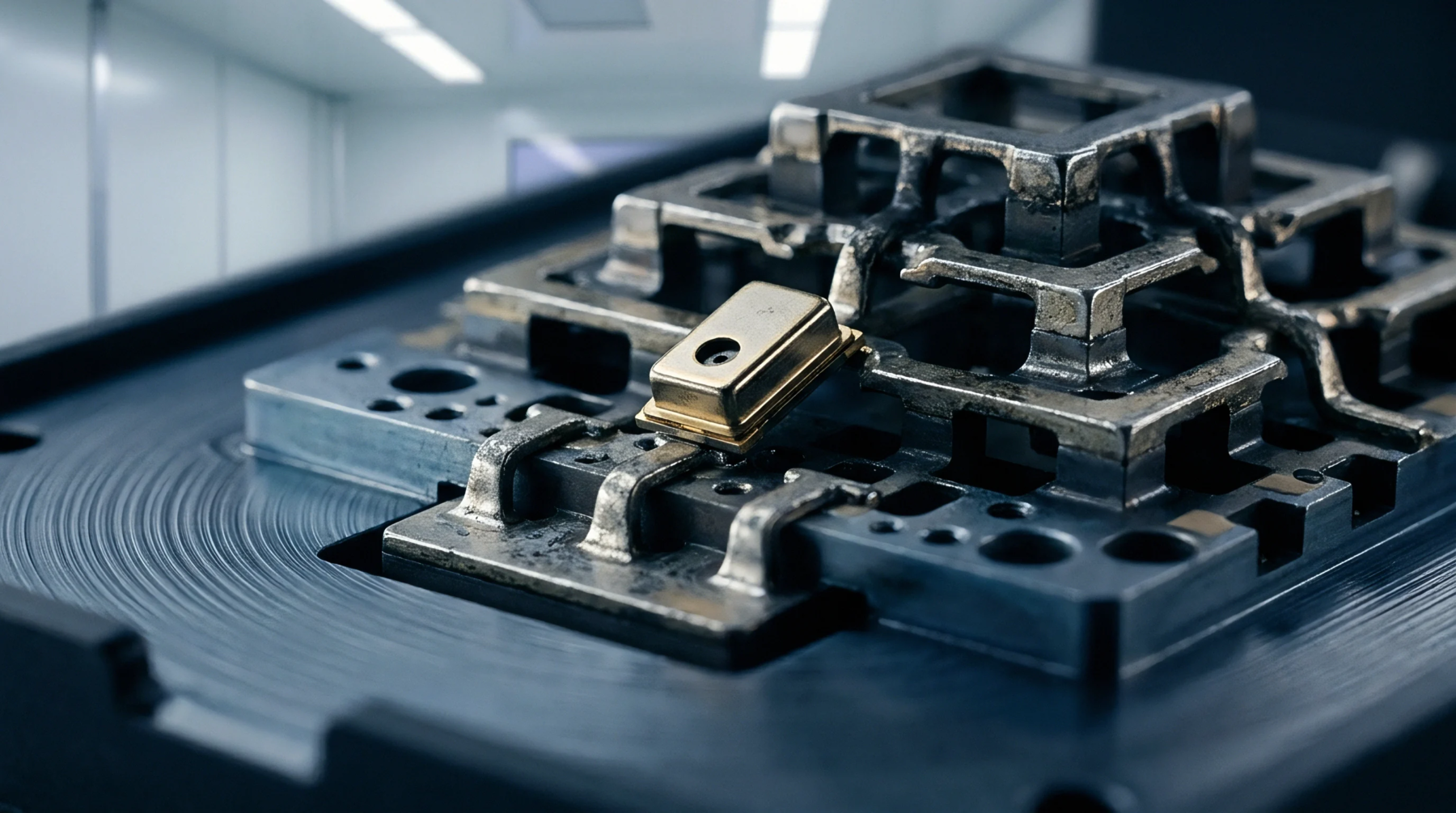
Quartz frequency deviation describes the gradual drift in oscillation output that occurs as a piezoelectric resonator accumulates structural imperfections over time. Crystal aging represents a cumulative shift in the resonance frequency of a crystal oscillator, usually expressed in parts per million or parts per billion over a fixed duration. Manufacturers define this frequency change as a function of material contamination and the relaxation of internal stresses within the lattice structure.
Environmental thermal cycles and drive level conditions accelerate the degradation of the blank, causing the output frequency to deviate from its initial factory calibrated set point.
Frequency Stability
Aging parameters determine the maximum allowable deviation for precise timekeeping circuits and radio frequency synthesizers. Engineers evaluate these drift rates during the validation phase of an oscillator to establish a reliable calibration interval for the final assembly. High precision modules undergo a burn in process to stabilize the resonator before the final frequency adjustment occurs.
This procedure minimizes the initial rapid shift and allows the component to settle into a predictable logarithmic rate of change.
Operational Performance
System integration requires an analysis of this frequency degradation alongside thermal and voltage instability to ensure the total error budget remains within operating limits. Designers compensate for the predictable drift by programming microcontrollers to apply periodic corrections to the oscillator circuit. Such methods preserve the integrity of signal synchronization in wireless network hardware.
Fixed frequency resonators that lack external adjustment circuitry must rely on stringent material selection and high vacuum sealing to suppress the rate of frequency shift.
Calibration Interval
Maintenance schedules for critical timing devices use the predicted drift slope to dictate when equipment requires recalibration or physical replacement. Technicians calculate the end of the functional life for a resonator once the expected cumulative frequency shift exceeds the tolerance window assigned by the system specification. Regular re-evaluation of these devices confirms the accuracy of long term synchronization protocols.
Electronic timing integrity depends upon the consistent management of these unavoidable material changes over the service life of the module.