South Korean Conformity Assessment Registration Procedures for Foreign Radio Equipment
KC radio registration demands local testing, a domestic agent, accurate schematics, and strict adherence to National Radio Research Agency standards.
Korean national certification standard ks c 9835 governs the electromagnetic compatibility requirements for multimedia equipment intended for household or professional utility. Compliance with these protocols ensures that electronic assemblies maintain operational integrity while minimizing radio frequency interference that disrupts adjacent circuitry. Legal frameworks within the jurisdiction mandate these technical performance levels before hardware enters the retail chain.
Manufacturers reference these specific procedures to define the acceptable thresholds for immunity against external signal noise and internal power line transients. Testing protocols apply to all apparatus drawing power from grid sources or battery arrays, excluding medical or dedicated broadcast infrastructure that maintains distinct safety regulations. Certification marks indicate that the device passes verification steps against controlled signal injection.
Legal obligations surrounding ks c 9835 involve rigorous assessments performed in accredited laboratory environments to confirm baseline stability. Qualified staff measure radiated emissions across designated frequency bands to ensure that equipment does not exceed signal leakage limits. Radiated immunity checks follow these emission measurements by subjecting the housing to localized electromagnetic fields to gauge potential logic errors.
High frequency injection tests reveal whether internal wiring picks up noise that triggers false signals in the control unit. Each verification stage concludes with a documented report confirming that the architecture holds its design parameters under stress conditions. Technicians monitor output fluctuations throughout these trials to verify that no component enters a saturated state or loses data transmission packets during the incident.
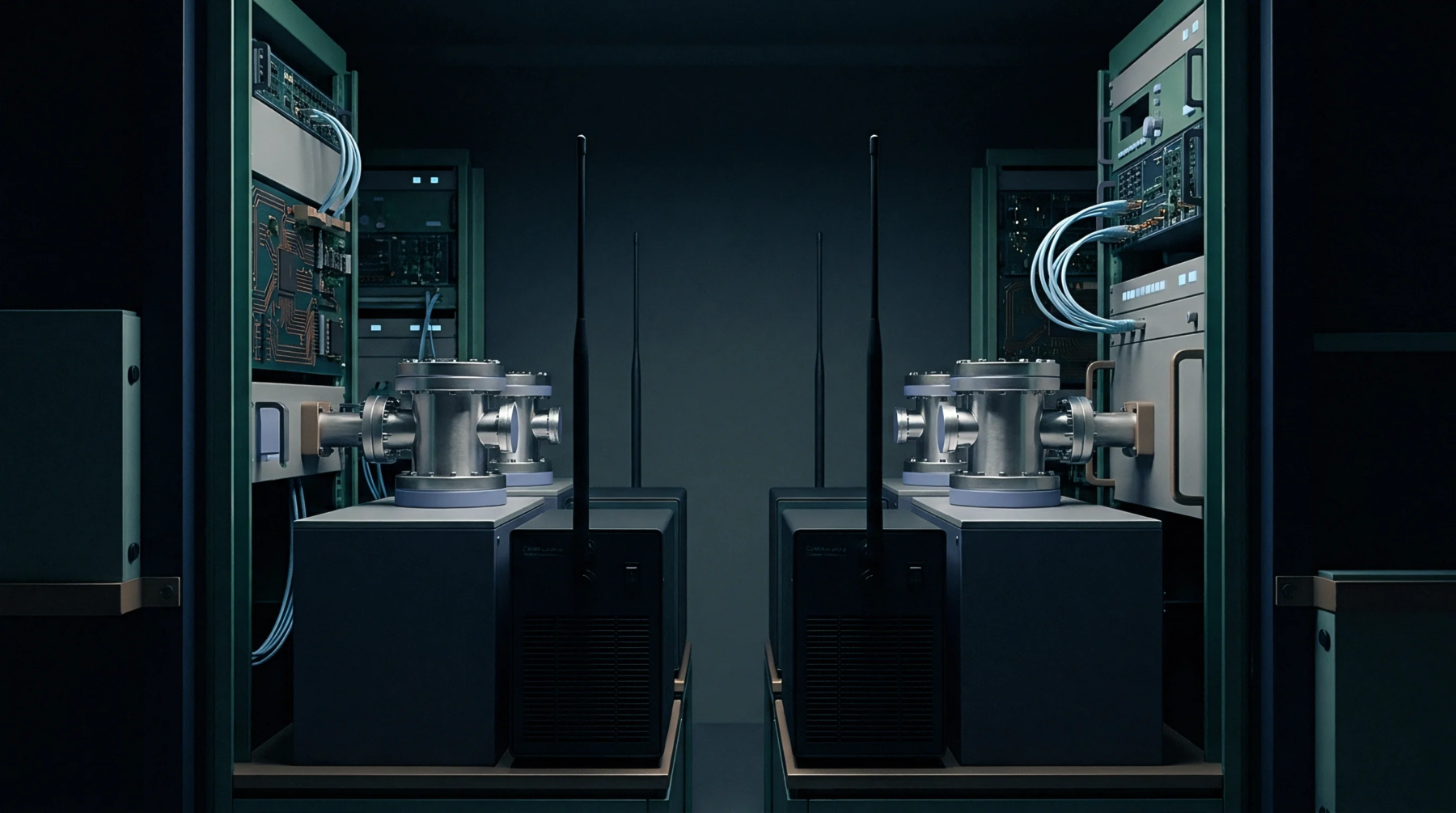
Engineers execute verification steps by mounting the device inside an anechoic chamber to isolate environmental interference from the test signal. Systematic application of pulses occurs on the power entry port to observe how the filter topology rejects high voltage spikes. Measurement probes record the decibel level of spectral leakage relative to the frequency limit defined by the governing table.
A pass status results only if the device continues to process logic inputs without interruption or reset while exposed to the specified field intensity. Failure to maintain these boundaries forces a design modification of the shield or the grounding path of the circuit board.
Market access depends upon the submission of these test results to the national oversight body that manages product approval for consumer electronics. Assemblies failing to reach these minimum signal handling specifications face denial for commercial distribution or require hardware rework. Proper integration of grounding planes and decoupling capacitors within the layout significantly improves the ability of the hardware to meet the stated interference limits.
Effective shielding techniques prevent radio waves from leaking through chassis gaps and connecting seams. Long term reliability of an industrial system relies on the strict application of these rules to isolate sensitive processors from the noisy electromagnetic environment inherent in modern urban power grids. Hardware that adheres to these requirements possesses the stability needed for reliable operation in complex residential or commercial setups.
KC radio registration demands local testing, a domestic agent, accurate schematics, and strict adherence to National Radio Research Agency standards.
Expertise is a utility, not a secret. sentiention™ publishes its working knowledge as open reference: intelligence layer covering the materials it sources, the markets it enters, and the reference that serves both.