Meaning
Standardized military test protocols specify low-current measurement procedures to measure electrical resistance across closed contact points without breaking surface oxide films. Within component verification sequences, mil-std-202 method 307 defines open-circuit voltage and test current caps that prevent electrical breakdown of thin surface tarnish layers. Hardware qualification pipelines require this test method to evaluate connector pin integrity and switch contact reliability under dry-circuit conditions.
Current Limitation
Dry-circuit testing limits test signal potential to twenty millivolts to avoid puncturing microscopic insulating films present on contact surfaces. Excessive voltage creates micro-welds or dielectric breakdown that artificially lowers measured resistance, masking latent oxidation defects. Applying mil-std-202 method 307 ensures that current levels stay below one hundred milliamperes during instrument readings.
Preserving oxide film state gives an accurate reflection of initial contact quality before component deployment.
Test Setup
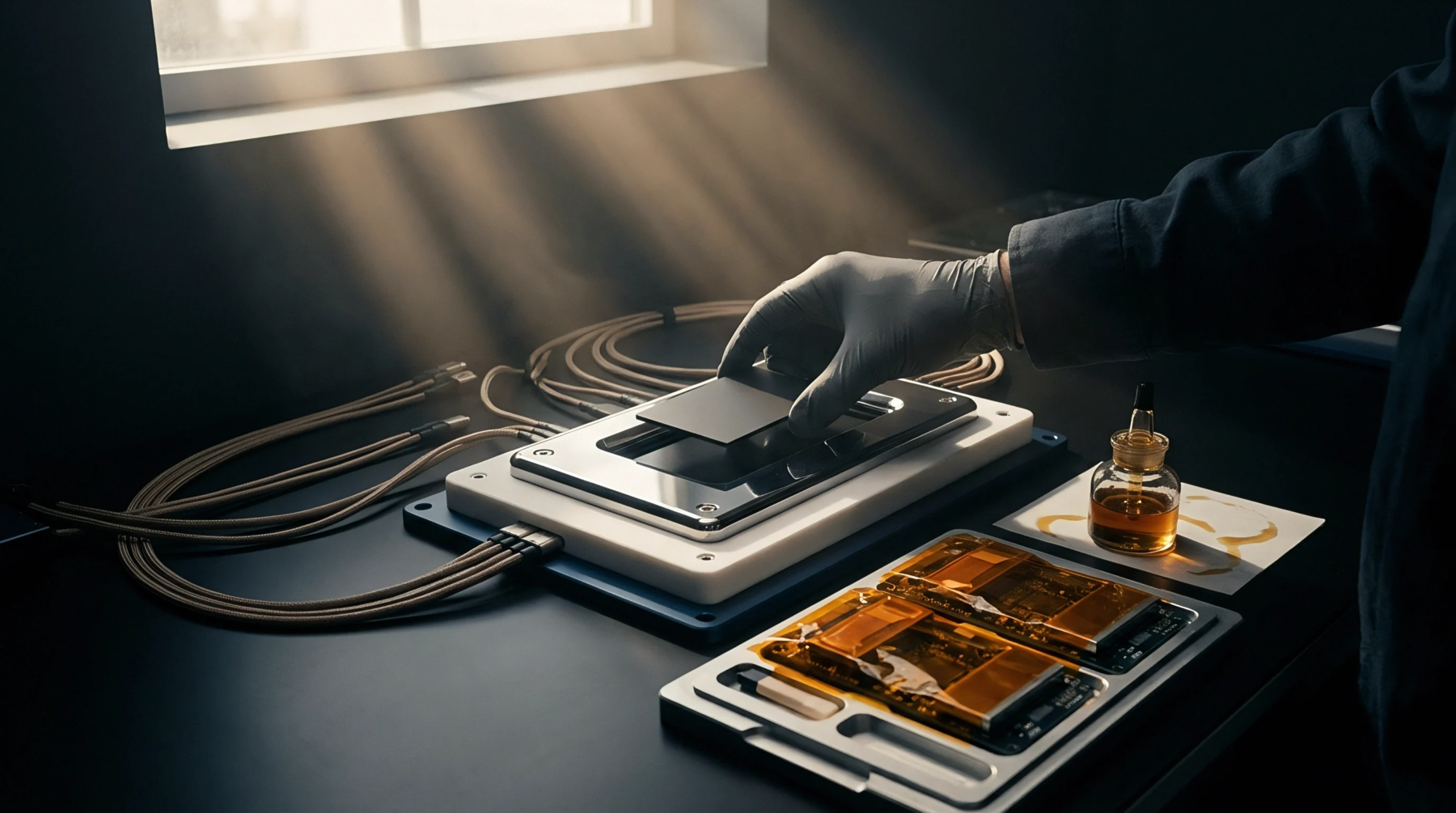
Four-wire kelvin connections eliminate lead resistance and instrument contact errors from low-resistance measurements. Test leads connect directly across sample terminals while source meters supply controlled direct current through isolated leads. Test engineers capture potential drops across contact interfaces inside environmentally controlled chambers to prevent thermal voltage shifts from corrupting readings.
Acceptance Limit
Component specification sheets list maximum allowable initial contact resistance along with maximum permitted drift after environmental exposure. Post-test resistance values that exceed milliohm limits trigger component lot rejections prior to manufacturing integration. Receiving inspection records document compliance with mil-std-202 method 307 to clear batch shipments for board assembly.