Meaning
A radio frequency evaluation determines the level of background interference present in a system when no intentional signal is being transmitted. Technicians use noise floor measurement to define the sensitivity limits of a wireless receiver in a specific environment. This value represents the sum of thermal noise and electromagnetic leakage from nearby electronic components.
Spectral Sensitivity
The measurement identifies the lowest signal power that a device can distinguish from the surrounding electrical chaos. If the noise floor measurement reveals high levels of interference in the two point four gigahertz band, the effective range of a Bluetooth module will decrease. Engineers use spectrum analyzers with a low resolution bandwidth to isolate the specific frequencies where the noise is most concentrated.
This data informs the design of filters to protect the signal path.
Baseline Determination
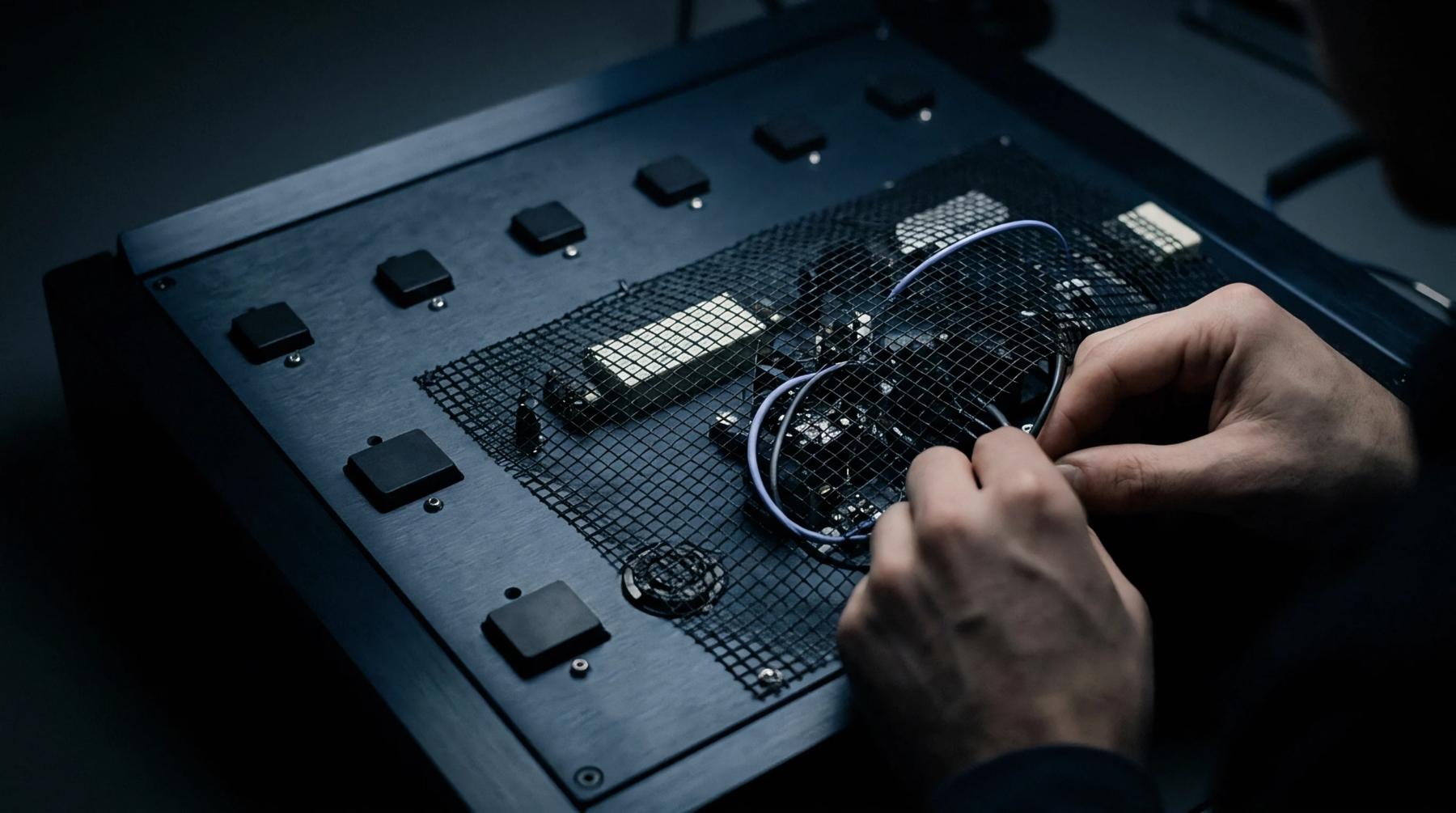
Establishing a clean reference requires testing the device inside a Faraday cage to exclude external signals. This internal noise floor measurement captures the noise generated by the amplifiers and mixers within the device itself. Selection of high-quality components keeps this internal figure as low as possible.
The delta between the internal baseline and the operational environment dictates the link budget for the radio.
Shielding Effectiveness
Comparison of values before and after adding metal enclosures reveals how well the product resists external interference. A poor noise floor measurement often points to inadequate grounding or traces that act as unintended antennas. Designers adjust the board layout to move sensitive traces away from switching power supplies.
Protective cans are soldered over the radio section to block emissions from the main processor. This procedure remains the standard for validating electromagnetic compatibility in smart home devices.