Sub Gigahertz versus Two Point Four Gigahertz Transceiver Link Budget Calculations
Sub-GHz links deliver up to 9 dB lower path loss and strong obstacle penetration, but 2.4 GHz transceivers reduce energy per bit and simplify global compliance.
Sub-GHz links deliver up to 9 dB lower path loss and strong obstacle penetration, but 2.4 GHz transceivers reduce energy per bit and simplify global compliance.

Real receiver sensitivity requires balancing coding gain against airtime energy penalties, thermal drift, and production lot variance.
Sub-GHz link margin calculations require combining receiver sensitivity, regulatory power limits, log-distance path loss, and enclosure detuning losses.
Dynamic Clear Channel Assessment adjusts signal detection thresholds to suppress deferral and restore airtime in high-density Wi-Fi networks.

Mitigating board noise desense requires unbroken ground planes, filtered switching stages, and RF shielding cans to preserve receiver sensitivity margins.
Raising default clear channel assessment thresholds boosts aggregate Wi-Fi network throughput in high-density deployments by trading client SINR for spatial reuse.
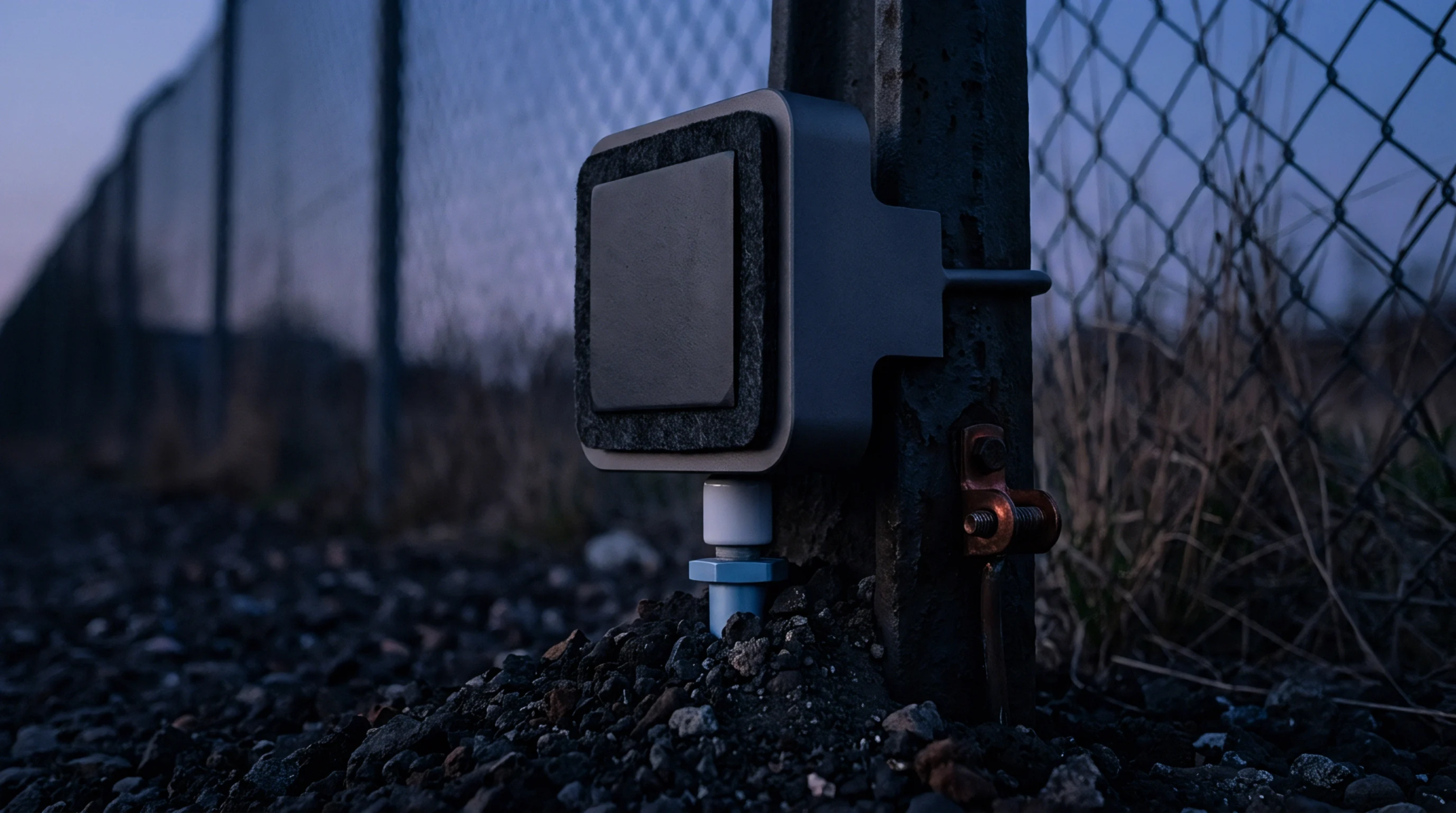
Real Bluetooth range requires subtracting antenna detuning, body loss, and indoor path loss exponents from marketing budgets before ordering silicon.
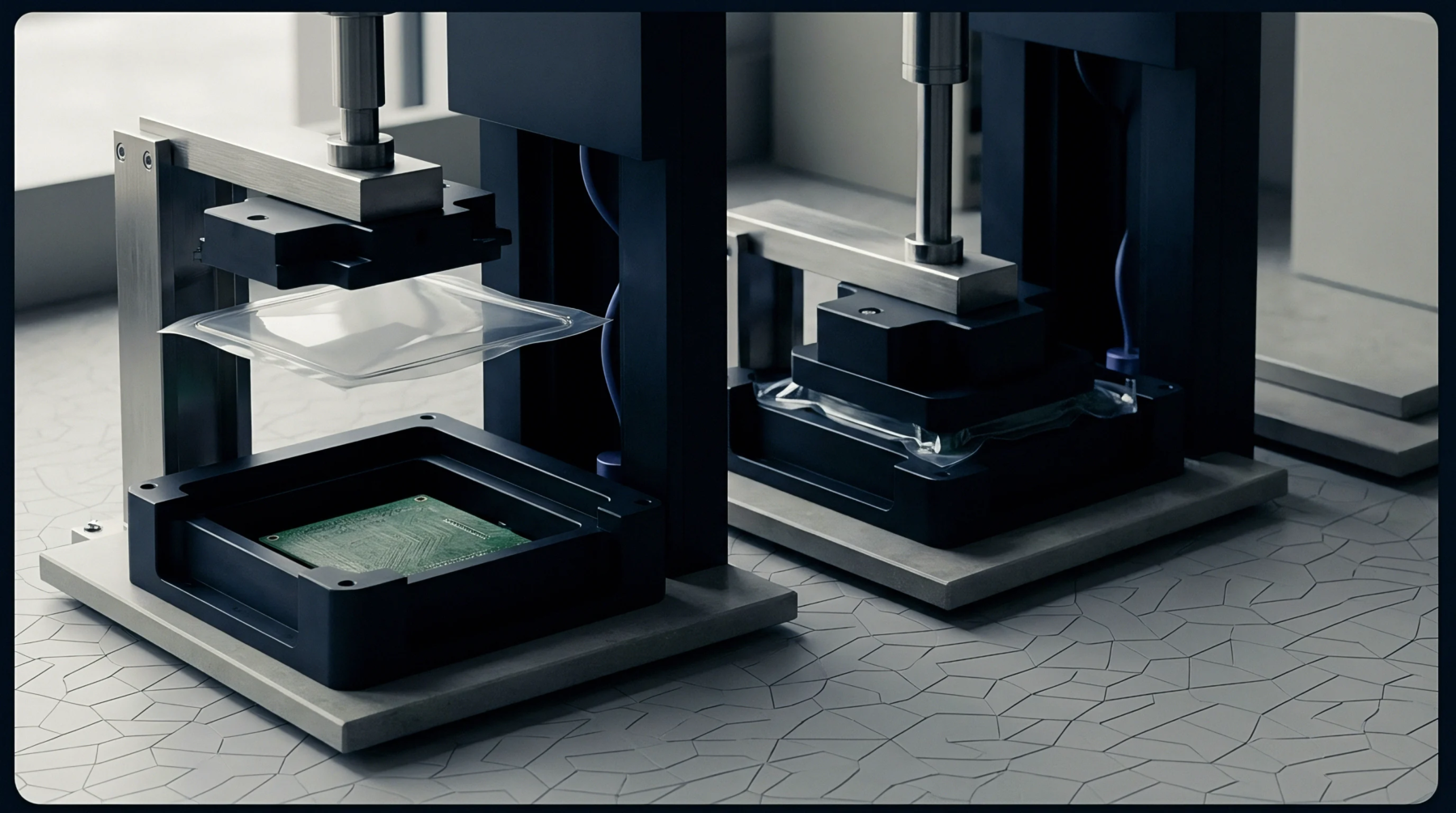
Configure CCA thresholds 6 dB above adjacent cell beacon power while enforcing transmit power control to prevent co-channel frame deferral and packet collapse.
Expertise is a utility, not a secret. sentiention™ publishes its working knowledge as open reference: intelligence layer covering the materials it sources, the markets it enters, and the reference that serves both.