Meaning
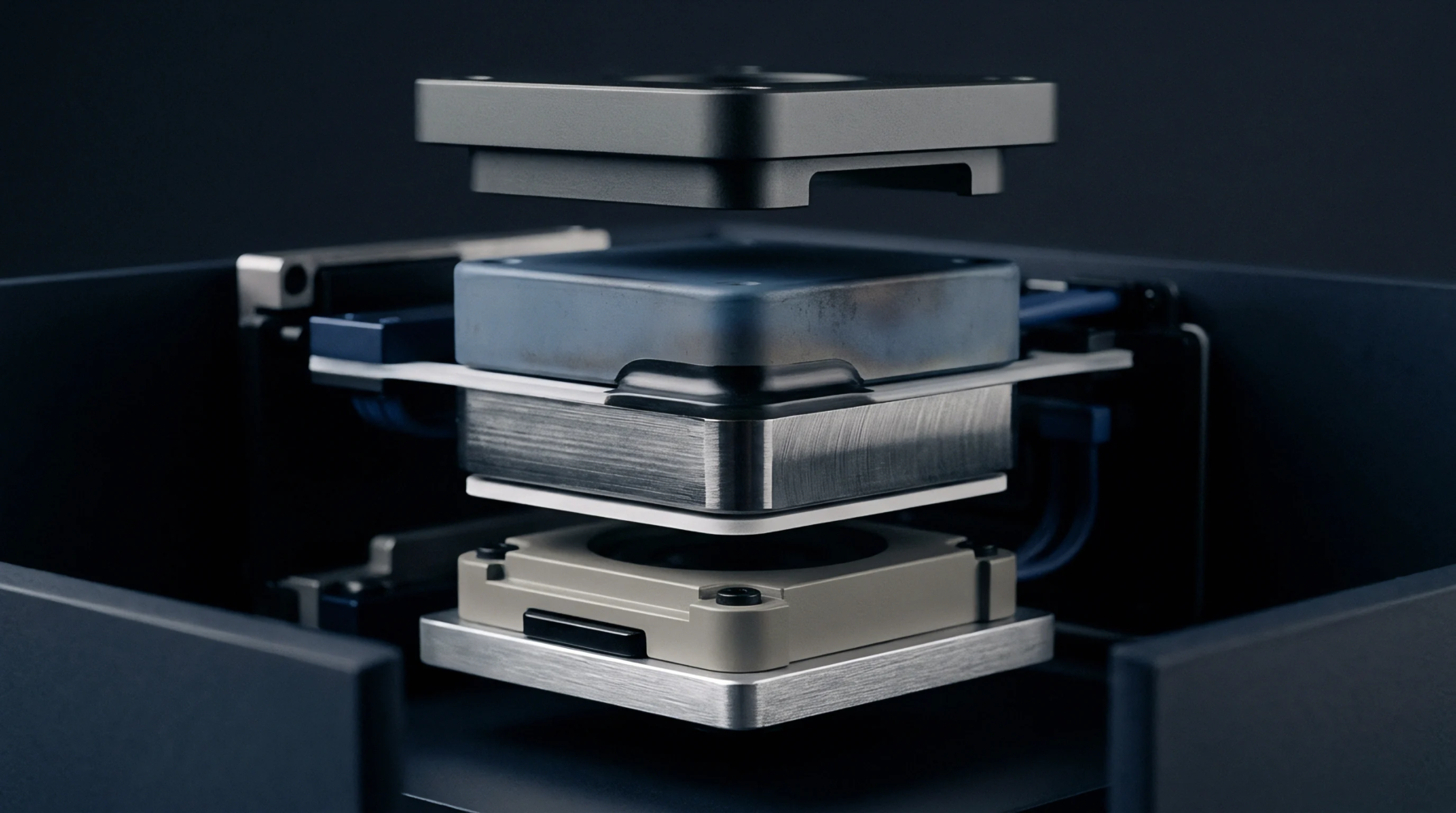
Ceramic components constructed from sintered iron oxide mixtures function as electromagnetic wave absorbers. A ferrite tile attenuates incident radiation by converting high frequency energy into heat within its crystalline structure. These devices address internal reflections inside radio frequency anechoic chambers to allow for accurate antenna measurements.
Their operational effectiveness relies on the material thickness and the specific magnetic loss characteristics of the chosen ceramic compound.
Thermal Load
Excess power absorption creates a measurable temperature rise across the array surface. This heat generation dictates the maximum operational wattage allowed before structural degradation occurs in the bonding adhesives. Engineers must evaluate the thermal expansion coefficients of the metal wall and the ceramic element to prevent mechanical failure during high power testing.
Reflection Loss
Precision calibration depends on the amount of energy absorbed by the material rather than reflected back to the source. A ferrite tile achieves performance targets by matching the impedance of free space at the interface. Manufacturers provide a performance curve showing the decibel reduction across the frequency spectrum.
Standard test protocols confirm the efficacy of the installation by bouncing reference signals off the tiled wall.
Installation Interface
Mechanical fit remains the primary constraint during the assembly of a chamber lining. Workers mount each unit using conductive or non-conductive epoxy onto a metal substrate that grounds the electrical field. Precise spacing between individual elements minimizes interference gaps that permit signal leakage.
Reliable long-term performance necessitates consistent application of the adhesive to ensure a uniform gapless surface.