Meaning
Unwanted radio frequency emissions that occur at integer multiples of the fundamental operating frequency can cause interference with adjacent communication systems. The presence of harmonic radiation is often the result of non-linear behavior in the power amplifier or the antenna switch of a transmitter. These spurious signals must be suppressed below the limits defined by regulatory bodies such as the Federal Communications Commission.
Filter Attenuation
The implementation of a low-pass filter between the transmitter output and the antenna represents the standard method for reducing these emissions. This component allows the fundamental signal to pass while presenting a high impedance to the higher frequency components.
Shielding Effectiveness
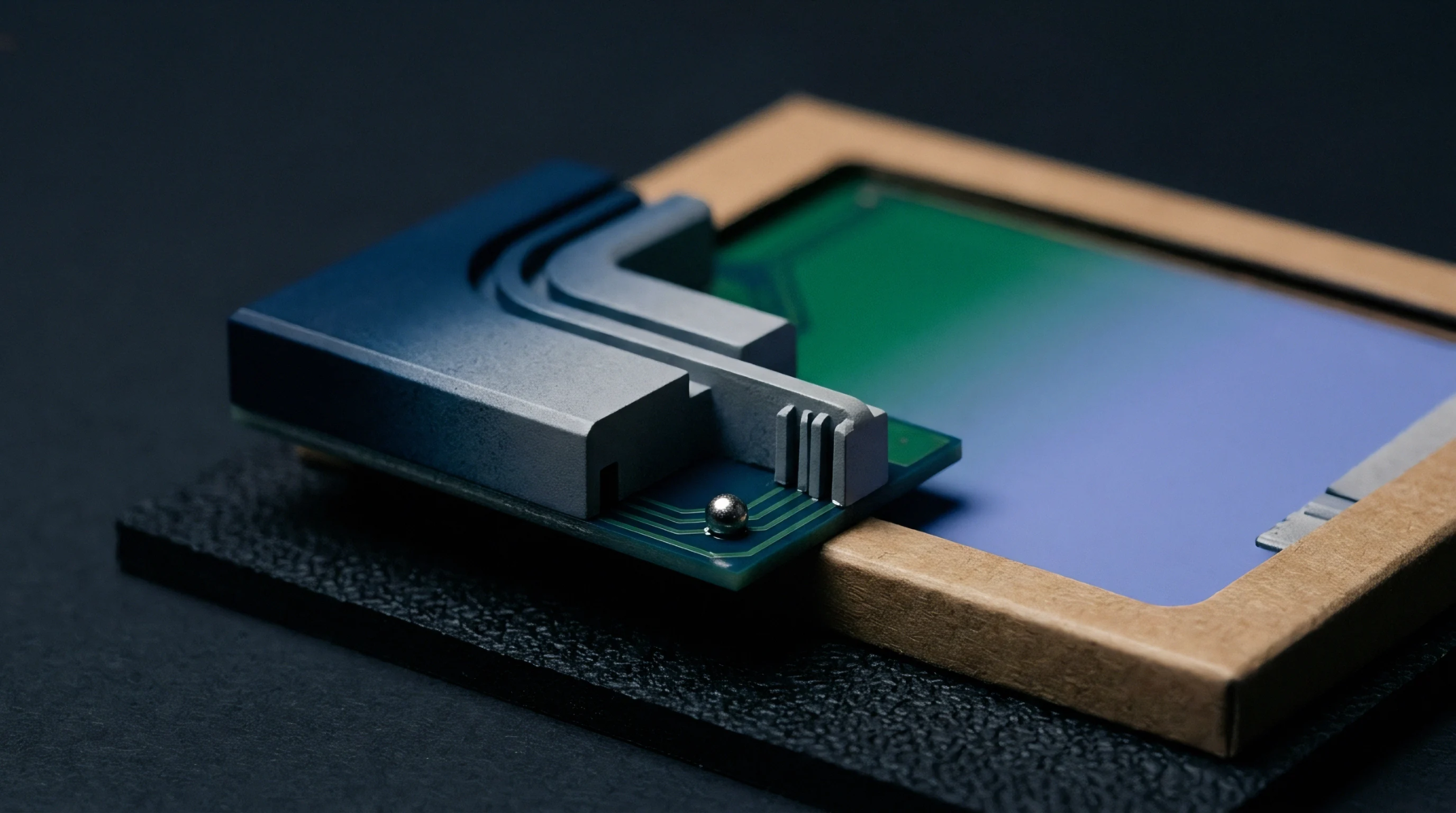
Metallic shields placed over the radio module prevent these high-frequency signals from radiating directly from the board tracks. Without these shields, the printed circuit board traces act as small antennas that bypass the output filter. This radiated energy can corrupt the operation of nearby analog sensors.
Enclosure Interaction
The mechanical design of the housing can affect the propagation of these unwanted signals. Slot antennas formed by gaps in a multi-part metal enclosure can resonate at the harmonic frequencies, which increases the radiated signal strength. Designers must use conductive gaskets to ensure continuous electrical contact across all seams of the housing.
This shielding prevents the device from failing electromagnetic compatibility tests.